Each book in this series offers all of the statutes, legal opinions, and studies a student needs to structure a cohesive argument on a given controversial topic. Issues are presented from multiple points of view; sidebars cite laws and opinions to aid in critical analysis; paratextual questions encourage reader engagement; and all sources are fully documented.
In this book, C. G. Prado addresses the difficult question of when and whether it is rational to end one’s life in order to escape devastating terminal illness. He specifically considers this question in light of the impact of multiculturalism on perceptions and judgments about what is right and wrong, permissible and impermissible. Prado introduces the idea of a “coincidental culture” to clarify the variety of values and commitments that influence decision. He also introduces the idea of a “proxy premise” to deal with reasoning issues that are raised by intractably held beliefs. Primarily intended for medical ethicists, this book will be of interest to anyone concerned about the ability of modern medicine to keep people alive, thereby forcing people to choose between living and dying. In addition, Prado calls upon medical ethicists and practitioners to appreciate the value of a theoretical basis for their work.
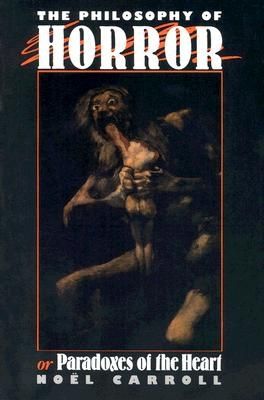
For decades, the horror genre has been a major popular entertainment and has dominated the publishing and film industries. Yet there exists no philosophical examination of the genre – the time for its aesthetic analysis is ripe. Noel Carroll, film scholar and philosopher, offers the first serious look at the aesthetics of horror. In this book he discusses the nature and narrative structures of the genre, dealing with horror as a “transmedia” phenomenon. A fan and serious student of the horror genre, Carroll brings to bear his comprehensive knowledge of obscure and forgotten works, as well as of the horror masterpieces. Working from a philosophical perspective, he tries to account for how people can find pleasure in having their wits scared out of them. What, after all, are those “paradoxes of the heart” that make us want to be horrified?
ما از اخلاق چه انتظاری داریم؟ این سوال شاید تاحدودی برای عموم مردم و یا متخصصان این رشته قابل پاسخ باشد؛ اینکه خوب بودن را به ما بیاموزد و در تنظیم روابط فردی م...

جشن کتاب تهران به ایستگاه سی و یکم رسیده است. حال و احوال نشر کتاب خوب نیست و باید فرهنگدوستان را به خرید و هدیه دادن کتاب ترغیب نمود. خانه اخلاقپژوهان جوان ب...

بنیاد کتابهای اخلاق اسلامی عمدتا پالایش جان از آلودگیها و آراستن آن به زیباییها است. اندیشه محوری این قبیل کتابها آن است که انسان فعلی آنی نیست که باید باشد...

-
0 Comments