Notice: تابع WP_Block_Type_Registry::register به طورنادرست فراخوانی شد. نامهای نوع بلوک نباید حروف بزرگ داشته باشند. لطفاً برای اطلاعات بیشتر، اشکال زدایی در وردپرس را مشاهده کنید. (این پیام در نگارش 5.0.0 افزوده شده است.) in /home/ethicsho/public_html/wp-includes/functions.php on line 5313
Warning: Use of undefined constant TDC_PATH_LEGACY - assumed 'TDC_PATH_LEGACY' (this will throw an Error in a future version of PHP) in /home/ethicsho/public_html/wp-content/plugins/td-composer/td-composer.php on line 109
Warning: Use of undefined constant TDSP_THEME_PATH - assumed 'TDSP_THEME_PATH' (this will throw an Error in a future version of PHP) in /home/ethicsho/public_html/wp-content/plugins/td-composer/td-composer.php on line 113 بایگانیهای HM22.F8 .D779 1973 - خانه اخلاق پژوهان جوان Notice: Trying to access array offset on value of type bool in /home/ethicsho/public_html/wp-content/plugins/wp-ulike/inc/general-functions.php on line 807
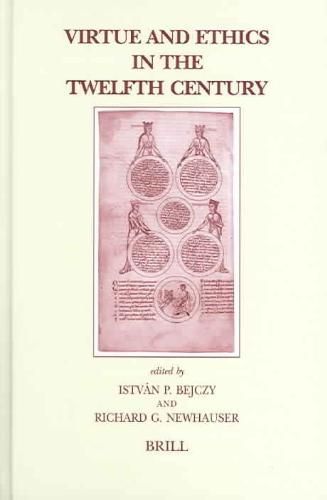
This volume analyses the renewal of Western moral thought in the twelfth century. This renewal was marked by a burgeoning of increasingly systematized texts, a lively reception of ancient moral philosophy and a greater emphasis on the psychology of the moral agent. Five contributions are devoted to monastic morality (Anselm of Canterbury, Bernard of Clairvaux, Hugh of Folieto, Hugh of Saint Victor, Peter Abelard); another five to (proto-)scholastic thought (John of Salisbury, Peter Abelard, Stephen Langton, the idea of natural virtue, the justification of lying); three discuss moral issues in a wider social context (liberality vs. avarice, royal justice in England, the cardinal virtues and the French monarchy). The two remaining contributions explore ethical traditions in Islamic and Jewish philosophy.
According to the author of “After Virtue, ” to flourish, humans need to develop virtues of independent thought and acknowledged social dependence. This book presents the moral philosopher’s comparison of humans to other animals and his exploration of the impact of these virtues.
‘Choices can be wise or foolish, and feelings can be apt or off the mark.’ Since this is how we judge, it would be good to know what content these normative judgements carry. Gibbard offers an answer, and elaborates it. His theory explores what is at issue in narrowly moral questions, and in questions of rational thought and conduct in general. It helps to explain why normative thought and talk so pervade human life, and why our highly social species might have evolved to be gripped by these questions. Gibbard asks how, if his theory is right, we can interpret our normative puzzles, and thus proceed toward finding answers to them. Not available from OUP in the USA, Canada, Japan or the Phillippines.
ما از اخلاق چه انتظاری داریم؟ این سوال شاید تاحدودی برای عموم مردم و یا متخصصان این رشته قابل پاسخ باشد؛ اینکه خوب بودن را به ما بیاموزد و در تنظیم روابط فردی م...

جشن کتاب تهران به ایستگاه سی و یکم رسیده است. حال و احوال نشر کتاب خوب نیست و باید فرهنگدوستان را به خرید و هدیه دادن کتاب ترغیب نمود. خانه اخلاقپژوهان جوان ب...

بنیاد کتابهای اخلاق اسلامی عمدتا پالایش جان از آلودگیها و آراستن آن به زیباییها است. اندیشه محوری این قبیل کتابها آن است که انسان فعلی آنی نیست که باید باشد...

-
0 Comments