Notice: تابع WP_Block_Type_Registry::register به طورنادرست فراخوانی شد. نامهای نوع بلوک نباید حروف بزرگ داشته باشند. لطفاً برای اطلاعات بیشتر، اشکال زدایی در وردپرس را مشاهده کنید. (این پیام در نگارش 5.0.0 افزوده شده است.) in /home/ethicsho/public_html/wp-includes/functions.php on line 5313
Warning: Use of undefined constant TDC_PATH_LEGACY - assumed 'TDC_PATH_LEGACY' (this will throw an Error in a future version of PHP) in /home/ethicsho/public_html/wp-content/plugins/td-composer/td-composer.php on line 109
Warning: Use of undefined constant TDSP_THEME_PATH - assumed 'TDSP_THEME_PATH' (this will throw an Error in a future version of PHP) in /home/ethicsho/public_html/wp-content/plugins/td-composer/td-composer.php on line 113 بایگانیهای 2551 - خانه اخلاق پژوهان جوان Notice: Trying to access array offset on value of type bool in /home/ethicsho/public_html/wp-content/plugins/wp-ulike/inc/general-functions.php on line 807
In many areas of modern life rapid developments in science are overwhelming established norms. Brain biology, through DNA testing and advanced brain imaging techniques, has given medical scientists new insights into the functioning of the human mind. This erosion of long-standing beliefs has many implications for understanding and treating what society considers to be aberrant or immoral behavior. What medical science is indicating is that the focus of our emphasis on mental processes–particularly free will and intentionality–is shifting to recognition of the important role the physical brain plays on human thought and behavior. In Hardwired Behavior the author argues that social morality begins in the brain, for without the brain there would be no concept of morality. Individual responsibility, therefore, must be reconsidered in the light of biological brain processes. The question of whether new scientific findings destroy the relevance of free will, placing it in the context of biological forces that may operate outside the conscious control of the actor, is one of intense debate. Hardwired Behavior takes this question and moves it into the open by clearly detailing neuroscience discoveries and explaining how the ancient precepts of “morality” that have guided mankind throughout its history must now be seen through the new lens of brain biology.
Using hitherto unstudied sources, this monograph provides a comprehensive interdisciplinary study of the ethical theory of al-R?z?, one of the most complex and influential medieval philosophers and theologians. It reveals remarkable and previously unidentified aspects of ethical thought in Islam.
The book is a critical review of accountability conducted under the authority of the United Nations Security Council, by the International Criminal Tribunal for Rwanda (ICTR), and the United Nations Transitional Administration in East Timor (UNTAET). It is centred on two case studies: the 1999 events in Rwanda, which constituted genocide, “the crime of crimes”, and the 1999 mayhem in East Timor. The books subjects to testing cross-examination tools to hold accountable persons with “the greatest responsibility” for serious international humanitarian law violations.A detailed expose is made of conspiracy to commit genocide. Comparison is also made whether joint criminal enterprise, and the forms of co-perpetration embodied in the Statute of the International Criminal Court provide effective alternatives in the case of atrocity crimes. A unique aspect of the book is its high-light of lessons learn in prosecution strategies; approaches in profiling perpetrators, particularly those with the highest level of responsibility for international humanitarian law violations; victor’s justice; superior responsibility; guilty pleas, and the effectiveness of the East Timor and the Indonesian Ad Hoc Human Rights Court processes. In the final analysis, the book offers a Matrix on Accountability.
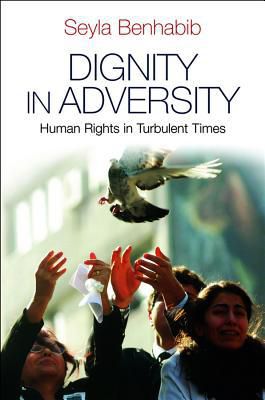
The language of human rights has become the public vocabulary of our contemporary world. Ironically, as the political influence of human rights has grown, their philosophical justification has become ever more controversial. Building on a theory of discourse ethics and communicative rationality, this book addresses the politics and philosophy of human rights against the background of the broader social transformations that are shaping the modern world. Rejecting the reduction of international human rights to the Trojan horse of a neo-liberal empire’s bid for world power, as well as the conservative objections to legal cosmopolitanism as encroachments upon democratic sovereignty, Benhabib develops two key concepts to move beyond these false antitheses. International human rights norms need contextualization in specific polities through processes of what she calls ‘democratic iterations.’ Furthermore, such norms have a ‘jurisgenerative power, ‘ in that they enable new actors to enter fields of social and political contestation; they promote new vocabularies for public claim-making and anticipate a justice to come. — Book Description.
ما از اخلاق چه انتظاری داریم؟ این سوال شاید تاحدودی برای عموم مردم و یا متخصصان این رشته قابل پاسخ باشد؛ اینکه خوب بودن را به ما بیاموزد و در تنظیم روابط فردی م...

جشن کتاب تهران به ایستگاه سی و یکم رسیده است. حال و احوال نشر کتاب خوب نیست و باید فرهنگدوستان را به خرید و هدیه دادن کتاب ترغیب نمود. خانه اخلاقپژوهان جوان ب...

بنیاد کتابهای اخلاق اسلامی عمدتا پالایش جان از آلودگیها و آراستن آن به زیباییها است. اندیشه محوری این قبیل کتابها آن است که انسان فعلی آنی نیست که باید باشد...

-
0 Comments