
Notice: تابع WP_Block_Type_Registry::register به طورنادرست فراخوانی شد. نامهای نوع بلوک نباید حروف بزرگ داشته باشند. لطفاً برای اطلاعات بیشتر، اشکال زدایی در وردپرس را مشاهده کنید. (این پیام در نگارش 5.0.0 افزوده شده است.) in /home/ethicsho/public_html/wp-includes/functions.php on line 5313
Warning: Use of undefined constant TDC_PATH_LEGACY - assumed 'TDC_PATH_LEGACY' (this will throw an Error in a future version of PHP) in /home/ethicsho/public_html/wp-content/plugins/td-composer/td-composer.php on line 109
Warning: Use of undefined constant TDSP_THEME_PATH - assumed 'TDSP_THEME_PATH' (this will throw an Error in a future version of PHP) in /home/ethicsho/public_html/wp-content/plugins/td-composer/td-composer.php on line 113 بایگانیهای Miranda Fricker - خانه اخلاق پژوهان جوان Notice: Trying to access array offset on value of type bool in /home/ethicsho/public_html/wp-content/plugins/wp-ulike/inc/general-functions.php on line 807
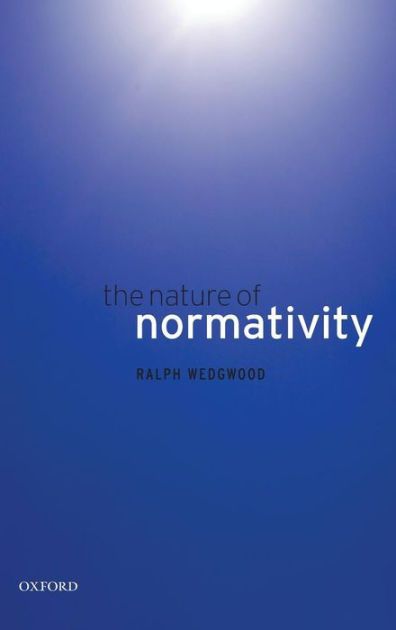
The Nature of Normativity presents a complete theory about the nature of normative thought –that is, the sort of thought that is concerned with what ought to be the case, or what we ought to do or think. Ralph Wedgwood defends a kind of realism about the normative, according to which normative truths or facts are genuinely part of reality. Anti-realists often complain that realism gives rise to demands for explanation that it cannot adequately meet. What is the nature of these normative facts? How could we ever know them or even refer to them in language or thought? Wedgwood accepts that any adequate version of realism must answer these explanatory demands. However, he seeks to show that these demands can be met — in large part by relying on a version of the idea, which has been much discussed in recent work in the philosophy of mind, that the intentional is normative — that is, that there is no way of explaining the nature of the various sorts of mental states that have intentional or representational content (such as beliefs, judgments, desires, decisions, and so on), without stating normative facts. On the basis of this idea, Wedgwood provides a detailed systematic theory that deals with the following three areas: the meaning of statements about what ought to be; the nature of the facts stated by these statements; and what justifies us in holding beliefs about what ought to be.
For the first time in history, eradicating world poverty is within our reach. Yet around the world, a billion people struggle to live each day on less than many of us pay for bottled water. In The Life You Can Save, Peter Singer uses ethical arguments, illuminating examples, and case studies of charitable giving to show that our current response to world poverty is not only insufficient but morally indefensible. The Life You Can Save teaches us to be a part of the solution, helping others as we help ourselves.
Charting new territory in the interface between science and ethics, Science and Virtue is a study of how the scientific mentality can affect the building of character, or the attainment of virtue by the individual. Drawing on inspiration from virtue-ethics and virtue-epistemology, Caruana argues that science is not just a system of knowledge but also an important factor determining a way of life.This book goes beyond the normal strategy evident in the science-ethics realm of examining specific ethical dilemmas posed by scientific innovations. Here Caruana deals with more fundamental issues, uncovering morally significant tendencies within the very core of the scientific mentality and explaining how science, its method, history and explanatory power can shape a conception of the good life.
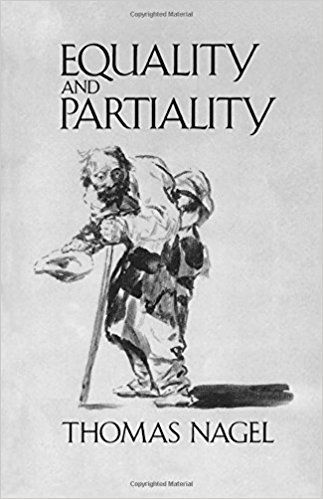
Derived from Thomas Nagel’s Locke Lectures, Equality and Partiality proposes a nonutopian account of political legitimacy, based on the need to accommodate both personal and impersonal motives in any credible moral theory, and therefore in any political theory with a moral foundation. Within each individual, Nagel believes, there is a division between two standpoints, the personal and the impersonal. Without the impersonal standpoint, there would be no morality, only the clash, compromise, and occasional convergence of individual perspectives. It is because a human being does not occupy only his own point of view that each of us is susceptible to the claims of others through private and public morality. Political systems, to be legitimate, must achieve an integration of these two standpoints within the individual. These ideas are applied to specific problems such as social and economic inequality, toleration, international justice, and the public support of culture. Nagel points to the problem of balancing equality and partiality as the most important issue with which political theorists are now faced.
ما از اخلاق چه انتظاری داریم؟ این سوال شاید تاحدودی برای عموم مردم و یا متخصصان این رشته قابل پاسخ باشد؛ اینکه خوب بودن را به ما بیاموزد و در تنظیم روابط فردی م...

جشن کتاب تهران به ایستگاه سی و یکم رسیده است. حال و احوال نشر کتاب خوب نیست و باید فرهنگدوستان را به خرید و هدیه دادن کتاب ترغیب نمود. خانه اخلاقپژوهان جوان ب...

بنیاد کتابهای اخلاق اسلامی عمدتا پالایش جان از آلودگیها و آراستن آن به زیباییها است. اندیشه محوری این قبیل کتابها آن است که انسان فعلی آنی نیست که باید باشد...

-
0 Comments