Notice: تابع WP_Block_Type_Registry::register به طورنادرست فراخوانی شد. نامهای نوع بلوک نباید حروف بزرگ داشته باشند. لطفاً برای اطلاعات بیشتر، اشکال زدایی در وردپرس را مشاهده کنید. (این پیام در نگارش 5.0.0 افزوده شده است.) in /home/ethicsho/public_html/wp-includes/functions.php on line 5313
Warning: Use of undefined constant TDC_PATH_LEGACY - assumed 'TDC_PATH_LEGACY' (this will throw an Error in a future version of PHP) in /home/ethicsho/public_html/wp-content/plugins/td-composer/td-composer.php on line 109
Warning: Use of undefined constant TDSP_THEME_PATH - assumed 'TDSP_THEME_PATH' (this will throw an Error in a future version of PHP) in /home/ethicsho/public_html/wp-content/plugins/td-composer/td-composer.php on line 113 بایگانیهای Truth (Aesthetics) - خانه اخلاق پژوهان جوان Notice: Trying to access array offset on value of type bool in /home/ethicsho/public_html/wp-content/plugins/wp-ulike/inc/general-functions.php on line 807
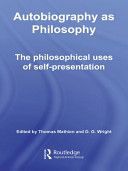
Since Plato a surprisingly large number of philosophers have chosen to write in the first person about their own lives either in works that were primarily autobiographical or in the context of other more conventionally written texts. These texts stand in marked contrast to the bulk of philosophical writing, particularly in the past century during which the discipline has become ever more professionalized and specialized. Instead of the common impersonal and argumentative forms of ordinary philosophic discussion, these autobiographical texts are deeply personal and largely narrative or explanatory. The contributors to this book examine the philosophical significance of philosophers’ autobiographies and whether or not there are broadly philosophical tasks for which this sort of writing is particularly suited. Autobiography as Philosophy contains a general discussion about the relation between philosophical and autobiographical writing, and essays on the specific writings of Augustine, Abelard, Montaigne,Descartes, Vico, Hume, Rousseau, Newman, Mill, Nietzsche, Collingwood and Russell by specialists on the works of these individuals. The book is original and distinctive in its efforts to think about the writings of historically recognized philosophers as communicative acts governed by their own distinctive interests and purposes. It is, therefore as much about the texts and the authors as about their doctrines and arguments. As a result the book steps back from many of the issues of substantive philosophical discussion to reflect on certain forms of writing as means to philosophical ends, to consider what those ends have included.
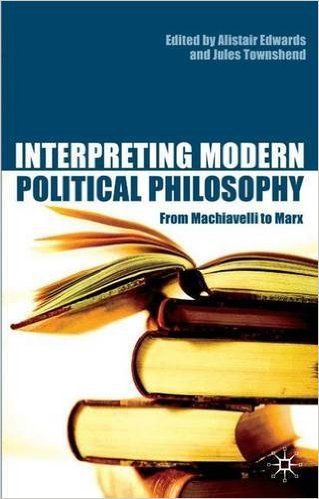
The interpretive literature in the history of political thought is now vast, complex, and esoteric, posing as much a barrier to the understanding of students as it offers assistance. This unique and innovative text provides an essential guide to the major positions and debates that surround the texts of key thinkers. It analyzes major problems of interpreting them, examines the sources of disagreement, and evaluates the different interpretations in terms of their strengths, weaknesses, and contributions to scholarship.
Intention is one of the masterworks of twentieth-century philosophy in English. First published in 1957, it has acquired the status of a modern philosophical classic. The book attempts to show in detail that the natural and widely accepted picture of what we mean by an intention gives rise to insoluble problems and must be abandoned. This is a welcome reprint of a book that continues to grow in importance.
Central Works of Philosophy is a major multi-volume collection of essays on the core texts of the Western philosophical tradition. From Plato’s Republic to the present day, the five volumes range over 2,500 years of philosophical writing covering the best, most representative, and most influential work of some of our greatest philosophers. Each essay has been specially commissioned and provides an overview of the work, clear and authoritative exposition of its central ideas, and an assessment of the work’s importance. Together these books provide an unrivaled companion for studying and reading philosophy, one that introduces the reader to the masterpieces of the western philosophical canon. Much of nineteenth-century philosophy may be viewed as either an affirmation or rejection of Kant. This volume therefore begins with Kant’s magnum opus, the Critique of Pure Reason. Michelle Grier provides a masterly distillation of this monumental work. Curtis Bowman explores the central text of the first of the great post-Kantian idealists, Fichte who extended Kantian philosophy in a new direction.
ما از اخلاق چه انتظاری داریم؟ این سوال شاید تاحدودی برای عموم مردم و یا متخصصان این رشته قابل پاسخ باشد؛ اینکه خوب بودن را به ما بیاموزد و در تنظیم روابط فردی م...

جشن کتاب تهران به ایستگاه سی و یکم رسیده است. حال و احوال نشر کتاب خوب نیست و باید فرهنگدوستان را به خرید و هدیه دادن کتاب ترغیب نمود. خانه اخلاقپژوهان جوان ب...

بنیاد کتابهای اخلاق اسلامی عمدتا پالایش جان از آلودگیها و آراستن آن به زیباییها است. اندیشه محوری این قبیل کتابها آن است که انسان فعلی آنی نیست که باید باشد...

-
0 Comments