
Notice: تابع WP_Block_Type_Registry::register به طورنادرست فراخوانی شد. نامهای نوع بلوک نباید حروف بزرگ داشته باشند. لطفاً برای اطلاعات بیشتر، اشکال زدایی در وردپرس را مشاهده کنید. (این پیام در نگارش 5.0.0 افزوده شده است.) in /home/ethicsho/public_html/wp-includes/functions.php on line 5313
Warning: Use of undefined constant TDC_PATH_LEGACY - assumed 'TDC_PATH_LEGACY' (this will throw an Error in a future version of PHP) in /home/ethicsho/public_html/wp-content/plugins/td-composer/td-composer.php on line 109
Warning: Use of undefined constant TDSP_THEME_PATH - assumed 'TDSP_THEME_PATH' (this will throw an Error in a future version of PHP) in /home/ethicsho/public_html/wp-content/plugins/td-composer/td-composer.php on line 113 بایگانیهای Philosophy / Epistemology - خانه اخلاق پژوهان جوان Notice: Trying to access array offset on value of type bool in /home/ethicsho/public_html/wp-content/plugins/wp-ulike/inc/general-functions.php on line 807
On its first appearance in 1960, the Concise Encyclopedia of Western Philosophy established itself as a classic; this third edition builds on its original strengths but brings it completely up to date. The Concise Encyclopedia offers a lively, readable, comprehensive and authoritative treatment of Western philosophy as a whole, incorporating scintillating articles by many leading philosophical authors. It serves not only as a convenient reference work, but also as an engaging introduction to philosophy.
We have been taught that forgiveness is the only healthy, morally sound response to violation, and that it must be granted without conditions, even when the person who hurt us is unremorseful — even when that person is dead. In her long-awaited second book, the gifted therapist and bestselling author of After the Affair debunks these myths. Drawing on twenty-nine years as a clinical psychologist, Dr. Spring proposes a radically new, life-affirming alternative that lets us overcome the corrosive effects of hate and get on with our lives — without forgiving. She also offers a powerful and unconventional model for genuine forgiveness — one that asks as much of the offender as it asks of us. Forgiveness is no gratuitous gift, she argues. We can heal ourselves, but forgiveness must be earned. How Can I Forgive You? answers such crucial questions as: How do I forgive someone who can’t or won’t apologize for hurting me? How do I reconcile with an unrepentant offender and maintain my self-respect? If I can’t forgive, how do I put the injury behind me? Is forgiveness my job alone, requiring nothing in return? When is forgiveness cheap, and when is it genuine? What can the offender do to earn forgiveness? How can I encourage the offender to seek my forgiveness? What is self-forgiveness? How do we achieve it? This bold and healing book offers concrete, step-by-step instructions that help us to make peace with our partner, parent, sibling, child, in-law, or friend — and with ourselves. Penetrating and beautifully written, How Can I Forgive You? is bound to change forever the way we think about forgiveness and how we recover from intimate wounds.
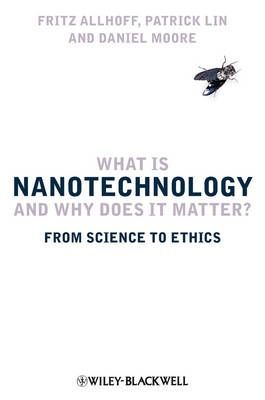
Ongoing research in nanotechnology promises both innovations and risks, potentially and profoundly changing the world. This book helps to promote a balanced understanding of this important emerging technology, offering an informed and impartial look at the technology, its science, and its social impact and ethics.Nanotechnology is crucial for the next generation of industries, financial markets, research labs, and our everyday lives; this book provides an informed and balanced look at nanotechnology and its social impactOffers a comprehensive background discussion on nanotechnology itself, including its history, its science, and its tools, creating a clear understanding of the technology needed to evaluate ethics and social issuesAuthored by a nanoscientist and philosophers, offers an accurate and accessible look at the science while providing an ideal text for ethics and philosophy coursesExplores the most immediate and urgent areas of social impact of nanotechnology
The 1991 US Supreme Court decision in Feist Publications Inc. v. Rural Telephone Service Co. held that factual matter is not subject to copyright protection because it is not original to the author, thus dramatically rejecting a two-century-old tradition of protecting factual compilations under copyright. The contributors to this book reassess this decision and its implications, particularly for the protection of electronic databases. The debate over fact-based works has grown still more complicated since Feist with the enactment of worldwide initiatives that extend the protection of databases, such as the European Union’s Database Directive. A number of legal scholars have voiced their opinions on how Congress should react to the Court’s decision and the Database Directive, but none have put forth a viable solution or questioned the debate’s underlying assumptions. The contributors to this insightful book turn their attention to these overlooked aspects, approaching the protection of factual matter from a range of perspectives: policy, historical, comparative, empirical and philosophical. The range of viewpoints and disciplines represented in this compelling book will be of great interest to students, scholars and lawyers working in the area of intellectual property law.
ما از اخلاق چه انتظاری داریم؟ این سوال شاید تاحدودی برای عموم مردم و یا متخصصان این رشته قابل پاسخ باشد؛ اینکه خوب بودن را به ما بیاموزد و در تنظیم روابط فردی م...

جشن کتاب تهران به ایستگاه سی و یکم رسیده است. حال و احوال نشر کتاب خوب نیست و باید فرهنگدوستان را به خرید و هدیه دادن کتاب ترغیب نمود. خانه اخلاقپژوهان جوان ب...

بنیاد کتابهای اخلاق اسلامی عمدتا پالایش جان از آلودگیها و آراستن آن به زیباییها است. اندیشه محوری این قبیل کتابها آن است که انسان فعلی آنی نیست که باید باشد...

-
0 Comments