Notice: تابع WP_Block_Type_Registry::register به طورنادرست فراخوانی شد. نامهای نوع بلوک نباید حروف بزرگ داشته باشند. لطفاً برای اطلاعات بیشتر، اشکال زدایی در وردپرس را مشاهده کنید. (این پیام در نگارش 5.0.0 افزوده شده است.) in /home/ethicsho/public_html/wp-includes/functions.php on line 5313
Warning: Use of undefined constant TDC_PATH_LEGACY - assumed 'TDC_PATH_LEGACY' (this will throw an Error in a future version of PHP) in /home/ethicsho/public_html/wp-content/plugins/td-composer/td-composer.php on line 109
Warning: Use of undefined constant TDSP_THEME_PATH - assumed 'TDSP_THEME_PATH' (this will throw an Error in a future version of PHP) in /home/ethicsho/public_html/wp-content/plugins/td-composer/td-composer.php on line 113 بایگانیهای Medical / Physicians - خانه اخلاق پژوهان جوان Notice: Trying to access array offset on value of type bool in /home/ethicsho/public_html/wp-content/plugins/wp-ulike/inc/general-functions.php on line 807
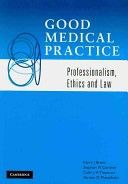
A timely and provocative collection which surveys the legal and ethical issues surrounding the medical and legal management of death and dying. Aimed to be accessible to those from both the worlds of law and medicine, this volume focuses uniquely upon questions increasingly significant for both sets of practitioners, as new medical technologies are used more often to intervene to save and extend lives, sometimes without regard for the quality of life of those who are being kept alive.
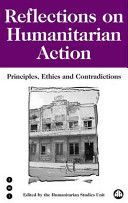
Humanitarian action has become a subject for serious debate in light of recent conflicts across the globe. The debacle in Somalia, the policy of intervention in Bosnia, and domestic conflicts in the West over intervention in Kosovo have given rise to many complex questions surrounding humanitarian action. The contributors to this volume provide a systematic overview of the issues involved from a wide range of viewpoints.The book examines the central problems of humanitarian action: the judicial question and the right to humanitarian assistance; the ethical framework of humanitarian action; the challenge of coordination of all the actors involved in humanitarian action; the recipients in the aid chain; the link between aid, development and emergency action; the role of the media; and a practical evaluation of Operation Lifeline Sudan.
In Against Moral Responsibility, Bruce Waller launches a spirited attack on a system that is profoundly entrenched in our society and its institutions, deeply rooted in our emotions, and vigorously defended by philosophers from ancient times to the present. Waller argues that, despite the creative defenses of it by contemporary thinkers, moral responsibility cannot survive in our naturalistic-scientific system. The scientific understanding of human behavior and the causes that shape human character, he contends, leaves no room for moral responsibility. Waller argues that moral responsibility in all its forms–including criminal justice, distributive justice, and all claims of just deserts–is fundamentally unfair and harmful and that its abolition will be liberating and beneficial. What we really want–natural human free will, moral judgments, meaningful human relationships, creative abilities–would survive and flourish without moral responsibility. In the course of his argument, Waller examines the origins of the basic belief in moral responsibility, proposes a naturalistic understanding of free will, offers a detailed argument against moral responsibility and critiques arguments in favor of it, gives a general account of what a world without moral responsibility would look like, and examines the social and psychological aspects of abolishing moral responsibility. Waller not only mounts a vigorous, and philosophically rigorous, attack on the moral responsibility system, but also celebrates the benefits that would result from its total abolition.
Why does society allow, or even encourage, private appropriation of inventions? When do patents encourage competition, when do they hamper it? How should society design the compromise between the interest of the inventor and the interest of the users of patented inventions? How should the patent system adapt to new technological areas? These questions and many more are addressed by the authors in this groundbreaking analysis of the economics behind the European patent system. Beginning with the history and principles of the patent system, the book then examines the economic effects of patenting on innovation and the diffusion of technology and growth. Throughout the book the theory and the reality are discussed alongside real world examples and comparison between the European, USA, and Japanese patent systems.
ما از اخلاق چه انتظاری داریم؟ این سوال شاید تاحدودی برای عموم مردم و یا متخصصان این رشته قابل پاسخ باشد؛ اینکه خوب بودن را به ما بیاموزد و در تنظیم روابط فردی م...

جشن کتاب تهران به ایستگاه سی و یکم رسیده است. حال و احوال نشر کتاب خوب نیست و باید فرهنگدوستان را به خرید و هدیه دادن کتاب ترغیب نمود. خانه اخلاقپژوهان جوان ب...

بنیاد کتابهای اخلاق اسلامی عمدتا پالایش جان از آلودگیها و آراستن آن به زیباییها است. اندیشه محوری این قبیل کتابها آن است که انسان فعلی آنی نیست که باید باشد...

-
0 Comments