Notice: تابع WP_Block_Type_Registry::register به طورنادرست فراخوانی شد. نامهای نوع بلوک نباید حروف بزرگ داشته باشند. لطفاً برای اطلاعات بیشتر، اشکال زدایی در وردپرس را مشاهده کنید. (این پیام در نگارش 5.0.0 افزوده شده است.) in /home/ethicsho/public_html/wp-includes/functions.php on line 5313
Warning: Use of undefined constant TDC_PATH_LEGACY - assumed 'TDC_PATH_LEGACY' (this will throw an Error in a future version of PHP) in /home/ethicsho/public_html/wp-content/plugins/td-composer/td-composer.php on line 109
Warning: Use of undefined constant TDSP_THEME_PATH - assumed 'TDSP_THEME_PATH' (this will throw an Error in a future version of PHP) in /home/ethicsho/public_html/wp-content/plugins/td-composer/td-composer.php on line 113 بایگانیهای Law / Legal History - خانه اخلاق پژوهان جوان Notice: Trying to access array offset on value of type bool in /home/ethicsho/public_html/wp-content/plugins/wp-ulike/inc/general-functions.php on line 807
At the core of Kant’s ethics lies the claim that if there is a supreme principle of morality, then it is not a utilitarian or Aristotelian perfectionist principle, or even a principle resembling the Ten Commandments. The only viable candidate for the supreme principle of morality is the Categorial Imperative. This book is the most detailed investigation of thie claim. It constructs a new, criterial reading of Kant’s derivation of one version of the Categorial Imperative: The Formula of Universal Law. This reading shows this derivation to be far more compelling than contemporary philosophers tend to believe. It also reveals a novel approach to deriving another version of the Categorial Imperative, the Formula of Humanity, a principle widely considered to be the most attractive Kantian candidate for the supreme principle of morality. Lucidly written and dealing with a foundational topic in the history of ethics, this book will be important not just for Kant scholars but for a broad swath of students of philosophy. Samuel Kerstein is Associate Professor of Philosophy at the University of Maryland, College Park
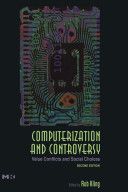
The Second Edition of Computerization and Controversy: Value Conflicts and Social Choices is a collection of 78 articles that examine the social aspects of computerization from a variety of perspectives, many presenting important viewpoints not often discussed in the conventional literature. A number of paired articles comprise thought-provoking head-on debate. Fields represented include computer science, information systems, management, journalism, psychology, law, library science, and sociology.This volume introduces some of the major controversies surrounding the computerization of society and helps readers recognize the social processes that drive and shape computerization.Division into eight provocatively titled sections facilitates course planning for classroom or seminar use. A lead article for each section frames the major controversies, locates the selections within the debates, and points to other relevant literature.Key Features* A fully revised and updated version of the first anthological treatment of the subject* Organized to facilitate course planning for classroom or seminar use* Provides coverage of the influence of computers on a wide variety of fields including computer science, information systems, management, journalism, psychology, law, library science, and sociology* Includes discussion of the following issues related to computerization:* Does computerization demonstrably improve the productivity of organizations?* Should computer systems be designed to empower workers?* Does electronic mail facilitate the formation of new communities, or does it undermine intimate interaction?* Is computerization likely to reduce privacy and personal freedom?
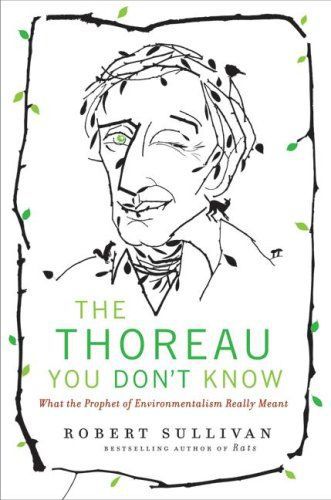
“Thoreau is one of those authors that readers think they know, even if they don’t. He’s the solitary curmudgeon with the shack out in the woods, the mystic worshipping solemnly in the quiet church of nature. He’s our national Natural Man, the prophet of environmentalism. But here Robert Sullivan–who himself has been called an ‘urban Thoreau’ (New York Times Book Review) –presents the Thoreau you don’t know: the activist, the organizer, the gregarious adventurer, the guy who likes to go camping with friends (even if they sometimes accidentally burn the woods down). Sullivan shows us not a lonely eccentric but a man in his growing village, and argues that Walden was a book intended to revive America, a communal work forever pigeonholed as a reclusive one–and that this misreading is at the heart of our troubled relationship with the environment today.”–From publisher description.
ما از اخلاق چه انتظاری داریم؟ این سوال شاید تاحدودی برای عموم مردم و یا متخصصان این رشته قابل پاسخ باشد؛ اینکه خوب بودن را به ما بیاموزد و در تنظیم روابط فردی م...

جشن کتاب تهران به ایستگاه سی و یکم رسیده است. حال و احوال نشر کتاب خوب نیست و باید فرهنگدوستان را به خرید و هدیه دادن کتاب ترغیب نمود. خانه اخلاقپژوهان جوان ب...

بنیاد کتابهای اخلاق اسلامی عمدتا پالایش جان از آلودگیها و آراستن آن به زیباییها است. اندیشه محوری این قبیل کتابها آن است که انسان فعلی آنی نیست که باید باشد...

-
0 Comments