Notice: تابع WP_Block_Type_Registry::register به طورنادرست فراخوانی شد. نامهای نوع بلوک نباید حروف بزرگ داشته باشند. لطفاً برای اطلاعات بیشتر، اشکال زدایی در وردپرس را مشاهده کنید. (این پیام در نگارش 5.0.0 افزوده شده است.) in /home/ethicsho/public_html/wp-includes/functions.php on line 5313
Warning: Use of undefined constant TDC_PATH_LEGACY - assumed 'TDC_PATH_LEGACY' (this will throw an Error in a future version of PHP) in /home/ethicsho/public_html/wp-content/plugins/td-composer/td-composer.php on line 109
Warning: Use of undefined constant TDSP_THEME_PATH - assumed 'TDSP_THEME_PATH' (this will throw an Error in a future version of PHP) in /home/ethicsho/public_html/wp-content/plugins/td-composer/td-composer.php on line 113 بایگانیهای Teachers - Professional Ethics - خانه اخلاق پژوهان جوان Notice: Trying to access array offset on value of type bool in /home/ethicsho/public_html/wp-content/plugins/wp-ulike/inc/general-functions.php on line 807
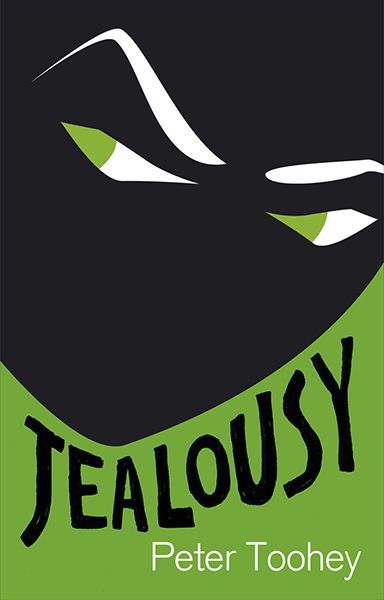
A witty and insightful investigation into the green-eyed monster’s role in our lives Compete, acquire, succeed, enjoy: the pressures of living in today’s materialistic world seem predicated upon jealousy–the feelings of rivalry and resentment for possession of whatever the other has. But while our newspapers abound with stories of the sometimes droll, sometimes deadly consequences of sexual jealousy, Peter Toohey argues in this charmingly provocative book that jealousy is much more than the destructive emotion it is commonly assumed to be. It helps as much as it harms. Examining the meaning, history, and value of jealousy, Toohey places the emotion at the core of modern culture, creativity, and civilization–not merely the sexual relationship. His eclectic approach weaves together psychology, art and literature, neuroscience, anthropology, and a host of other disciplines to offer fresh and intriguing contemporary perspectives on violence, the family, the workplace, animal behavior, and psychopathology. Ranging from the streets of London to Pacific islands, and from the classical world to today, this is an elegant, smart, and beautifully illustrated defense of a not-always-deadly sin.
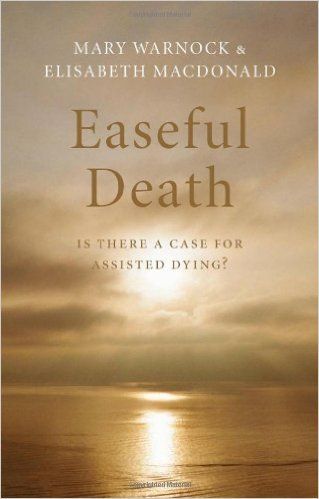
For decades assisted dying and euthanasia have sparked fierce public debate. The recent case of Terri Schiavo, and the firestorm of controversy it provoked, placed the issue in dramatic fashion before the American people once again, raising a host of complex legal, medical-ethical, religious, and individual liberties questions. Now, in Easeful Death, Mary Warnock and Elisabeth Macdonald offer a clearly reasoned, even-handed assessment of arguments both for and against the legalization of assisted suicide and euthanasia. The authors take as their starting point the attempts in Britain and other countries to bring compassion into the rules governing the end of a patient’s life. Drawing on the experience of the Netherlands, Belgium, and the state of Oregon in the US, where either assisted dying or euthanasia have been legalized, the authors explore the philosophical and ethical views on both sides of the debate, and examine how different legislative proposals would affect different members of society, from the very young to the very old. They describe the practical, medical processes of palliative care, self-denial of food and water, assisted dying and euthanasia, and ultimately conclude that the public is ready to embrace a more compassionate approach to assisted dying and that the dying themselves deserve a greater say in the timing and manner of their deaths. Written with sensitivity, grace, and level-headed authority, Easeful Death is essential reading for caregivers, doctors, medical ethicists, and anyone concerned with their own or a loved one’s end of life decisions. It argues persuasively that whatever the results of the legislative debate, compassion must be the guiding principle in the way we treat people who are dying or want to die.
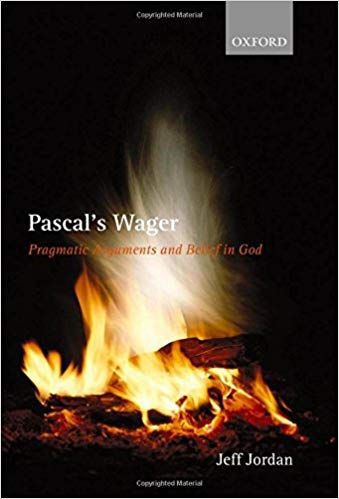
Is it reasonable to believe in God even in the absence of strong evidence that God exists? Pragmatic arguments for theism are designed to support belief even if one lacks evidence that theism is more likely than not. Jeff Jordan proposes that there is a sound version of the most well-known argument of this kind, Pascal’s Wager, and explores the issues involved – in epistemology, the ethics of belief, decision theory, and theology.
In Aquinas, Ethics, and Philosophy of Religion, Thomas Hibbs recovers the notion of practice to develop a more descriptive account of human action and knowing, grounded in the venerable vocabulary of virtue and vice. Drawing on Aquinas, who believed that all good works originate from virtue, Hibbs postulates how epistemology, ethics, metaphysics, and theology combine into a set of contemporary philosophical practices that remain open to metaphysics. Hibbs brings Aquinas into conversation with analytic and Continental philosophy and suggests how a more nuanced appreciation of his thought enriches contemporary debates. This book offers readers a new appreciation of Aquinas and articulates a metaphysics integrally related to ethical practice.
ما از اخلاق چه انتظاری داریم؟ این سوال شاید تاحدودی برای عموم مردم و یا متخصصان این رشته قابل پاسخ باشد؛ اینکه خوب بودن را به ما بیاموزد و در تنظیم روابط فردی م...

جشن کتاب تهران به ایستگاه سی و یکم رسیده است. حال و احوال نشر کتاب خوب نیست و باید فرهنگدوستان را به خرید و هدیه دادن کتاب ترغیب نمود. خانه اخلاقپژوهان جوان ب...

بنیاد کتابهای اخلاق اسلامی عمدتا پالایش جان از آلودگیها و آراستن آن به زیباییها است. اندیشه محوری این قبیل کتابها آن است که انسان فعلی آنی نیست که باید باشد...

-
0 Comments