Notice: تابع WP_Block_Type_Registry::register به طورنادرست فراخوانی شد. نامهای نوع بلوک نباید حروف بزرگ داشته باشند. لطفاً برای اطلاعات بیشتر، اشکال زدایی در وردپرس را مشاهده کنید. (این پیام در نگارش 5.0.0 افزوده شده است.) in /home/ethicsho/public_html/wp-includes/functions.php on line 5313
Warning: Use of undefined constant TDC_PATH_LEGACY - assumed 'TDC_PATH_LEGACY' (this will throw an Error in a future version of PHP) in /home/ethicsho/public_html/wp-content/plugins/td-composer/td-composer.php on line 109
Warning: Use of undefined constant TDSP_THEME_PATH - assumed 'TDSP_THEME_PATH' (this will throw an Error in a future version of PHP) in /home/ethicsho/public_html/wp-content/plugins/td-composer/td-composer.php on line 113 بایگانیهای Genetics - Philosophy - خانه اخلاق پژوهان جوان Notice: Trying to access array offset on value of type bool in /home/ethicsho/public_html/wp-content/plugins/wp-ulike/inc/general-functions.php on line 807
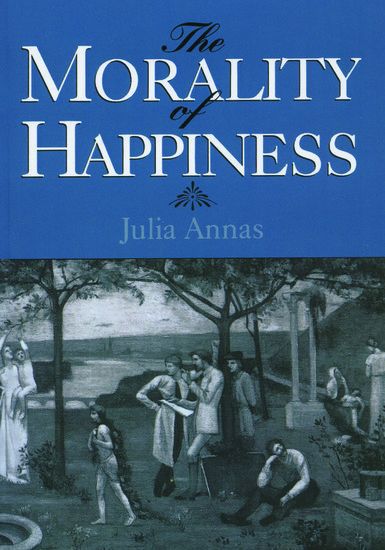
Ancient ethical theories, based on the notions of virtue and happiness, have struck many as an attractive alternative to modern theories. But we cannot find out whether this is true until we understand ancient ethics–and to do this we need to examine the basic structure of ancient ethical theory, not just the details of one or two theories. In this book, Annas brings together the results of a wide-ranging study of ancient ethical philosophy and presents it in a way that is easily accessible to anyone with an interest in ancient or modern ethics. She examines the fundamental notions of happiness and virtue, the role of nature in ethical justification and the relation between concern for self and concern for others. Her careful examination of the ancient debates and arguments shows that many widespread assumptions about ancient ethics are quite mistaken. Ancient ethical theories are not egoistic, and do not depend for their acceptance on metaphysical theories of a teleological kind. Most centrally, they are recognizably theories of morality, and the ancient disputes about the place of virtue in happiness can be seen as akin to modern disputes about the demands of morality.
Virtue ethics has attracted a lot of attention over the past few decades, and more recently there has been considerable interest in virtue epistemology as an alternative to traditional approaches in that field. Ironically, although virtue epistemology got its inspiration from virtue ethics, this is the first book that brings virtue epistemologists and virtue ethicists together to contribute their particular expertise, and the first that is devoted to the topic of intellectual virtue. All new and right up to date, the papers collected here by Zagzebski and DePaul demonstrate the benefit of each branch of philosophy to the other. Intellectual Virtue will be required reading for anyone working in either field.
We are often told that ‘money can’t buy happiness’. But if money is not the answer then what is? This book considers this question by examining empirical data stretching back almost 10 years. Whereas previous concerns of individual well-being have been drawn towards the negative outcomes of life experiences, this book provides a new approach by directly addressing the circumstances under which high subjective well-being is experienced, often with surprising results. Drawing on nine years of panel data, the book examines demographic, social, spatial, health, domain satisfaction and socio-economic circumstances in a rich and complex longitudinal study, providing previously unknown information on factors associated with improved and sustained high well-being.It shows that subjective assessments of our circumstances are more important to well-being than our objective conditions and suggests that high well-being may be the key to improvements in people’s subjective experience of a wide range of adverse (and other) life events. It also highlights that high levels of well-being are more likely to be associated with our social relationships and health status than with income or personal status, and that affluence is no guarantee to high subjective well-being and indeed may have negative consequences. The 21st Century is seeing the emergence of a positive science, with a new focus on subjective well-being.This research adds new knowledge to the issues and debates which support the move towards a better understanding of the factors which promote subjective well-being. Such findings will be important to the international academic field as well as the national political arena where improving national well-being has become a part of the government’s agenda.
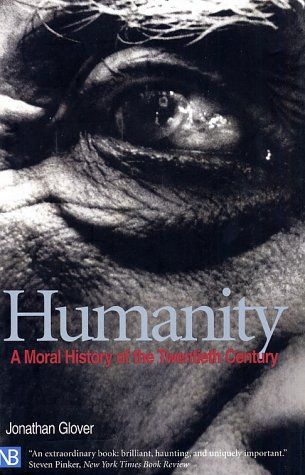
This important book confronts the brutal history of the 20th century to unravel the psychological mystery of why so many atrocities occurred–the Holocaust, Hiroshima, the Gulag, Cambodia, Yugoslavia, Rwanda, and others–and how we can prevent their reoccurrence.
ما از اخلاق چه انتظاری داریم؟ این سوال شاید تاحدودی برای عموم مردم و یا متخصصان این رشته قابل پاسخ باشد؛ اینکه خوب بودن را به ما بیاموزد و در تنظیم روابط فردی م...

جشن کتاب تهران به ایستگاه سی و یکم رسیده است. حال و احوال نشر کتاب خوب نیست و باید فرهنگدوستان را به خرید و هدیه دادن کتاب ترغیب نمود. خانه اخلاقپژوهان جوان ب...

بنیاد کتابهای اخلاق اسلامی عمدتا پالایش جان از آلودگیها و آراستن آن به زیباییها است. اندیشه محوری این قبیل کتابها آن است که انسان فعلی آنی نیست که باید باشد...

-
0 Comments