Notice: تابع WP_Block_Type_Registry::register به طورنادرست فراخوانی شد. نامهای نوع بلوک نباید حروف بزرگ داشته باشند. لطفاً برای اطلاعات بیشتر، اشکال زدایی در وردپرس را مشاهده کنید. (این پیام در نگارش 5.0.0 افزوده شده است.) in /home/ethicsho/public_html/wp-includes/functions.php on line 5313
Warning: Use of undefined constant TDC_PATH_LEGACY - assumed 'TDC_PATH_LEGACY' (this will throw an Error in a future version of PHP) in /home/ethicsho/public_html/wp-content/plugins/td-composer/td-composer.php on line 109
Warning: Use of undefined constant TDSP_THEME_PATH - assumed 'TDSP_THEME_PATH' (this will throw an Error in a future version of PHP) in /home/ethicsho/public_html/wp-content/plugins/td-composer/td-composer.php on line 113 بایگانیهای Education In Literature - خانه اخلاق پژوهان جوان Notice: Trying to access array offset on value of type bool in /home/ethicsho/public_html/wp-content/plugins/wp-ulike/inc/general-functions.php on line 807
Deletelooks at the surprising phenomenon of perfect remembering in the digital age, and reveals why we must reintroduce our capacity to forget. Digital technology empowers us as never before, yet it has unforeseen consequences as well. Potentially humiliating content on Facebook is enshrined in cyberspace for future employers to see. Google remembers everything we’ve searched for and when. The digital realm remembers what is sometimes better forgotten, and this has profound implications for us all.InDelete, Viktor Mayer-Schouml;nberger traces the important role that forgetting has played throughout human history, from the ability to make sound decisions unencumbered by the past to the possibility of second chances. The written word made it possible for humans to remember across generations and time, yet now digital technology and global networks are overriding our natural ability to forget–the past is ever present, ready to be called up at the click of a mouse. Mayer-Schouml;nberger examines the technology that’s facilitating the end of forgetting–digitization, cheap storage and easy retrieval, global access, and increasingly powerful software–and describes the dangers of everlasting digital memory, whether it’s outdated information taken out of context or compromising photos the Web won’t let us forget. He explains why information privacy rights and other fixes can’t help us, and proposes an ingeniously simple solution–expiration dates on information–that may.Deleteis an eye-opening book that will help us remember how to forget in the digital age.
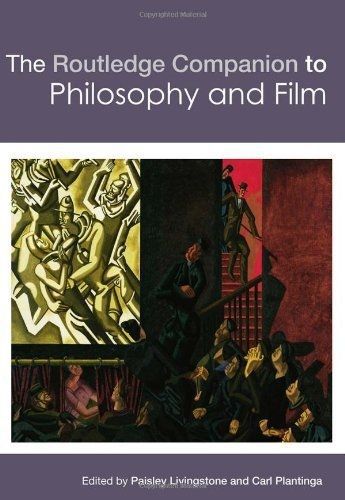
The Routledge Companion to Philosophy and Filmis the first comprehensive volume to explore the main themes, topics, thinkers and issues in philosophy and film. The Companionfeatures sixty specially commissioned chapters from international scholars and is divided into four clear parts: ⬢ issues and concepts ⬢ authors and trends ⬢ genres ⬢ film as philosophy. Part one is a comprehensive section examining key concepts, including chapters on acting, censorship, character, depiction, ethics, genre, interpretation, narrative, reception and spectatorship and style. Part two covers authors and scholars of film and significant theories Part three examines genres such as documentary, experimental cinema, horror, comedy and tragedy. Part four includes chapters on key directors such as Tarkovsky, Bergman and Terrence Malick and on particular films including Memento. Each chapter includes a section of annotated further reading and is cross-referenced to related entries. The Routledge Companion to Philosophy and Filmis essential reading for anyone interested in philosophy of film, aesthetics and film and cinema studies.
ما از اخلاق چه انتظاری داریم؟ این سوال شاید تاحدودی برای عموم مردم و یا متخصصان این رشته قابل پاسخ باشد؛ اینکه خوب بودن را به ما بیاموزد و در تنظیم روابط فردی م...

جشن کتاب تهران به ایستگاه سی و یکم رسیده است. حال و احوال نشر کتاب خوب نیست و باید فرهنگدوستان را به خرید و هدیه دادن کتاب ترغیب نمود. خانه اخلاقپژوهان جوان ب...

بنیاد کتابهای اخلاق اسلامی عمدتا پالایش جان از آلودگیها و آراستن آن به زیباییها است. اندیشه محوری این قبیل کتابها آن است که انسان فعلی آنی نیست که باید باشد...

-
0 Comments