Notice: تابع WP_Block_Type_Registry::register به طورنادرست فراخوانی شد. نامهای نوع بلوک نباید حروف بزرگ داشته باشند. لطفاً برای اطلاعات بیشتر، اشکال زدایی در وردپرس را مشاهده کنید. (این پیام در نگارش 5.0.0 افزوده شده است.) in /home/ethicsho/public_html/wp-includes/functions.php on line 5313
Warning: Use of undefined constant TDC_PATH_LEGACY - assumed 'TDC_PATH_LEGACY' (this will throw an Error in a future version of PHP) in /home/ethicsho/public_html/wp-content/plugins/td-composer/td-composer.php on line 109
Warning: Use of undefined constant TDSP_THEME_PATH - assumed 'TDSP_THEME_PATH' (this will throw an Error in a future version of PHP) in /home/ethicsho/public_html/wp-content/plugins/td-composer/td-composer.php on line 113 بایگانیهای Abortion - Psychological Aspects - خانه اخلاق پژوهان جوان Notice: Trying to access array offset on value of type bool in /home/ethicsho/public_html/wp-content/plugins/wp-ulike/inc/general-functions.php on line 807
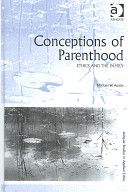
Our parents often have a significant impact on the content of our beliefs, the values we hold, and the goals we pursue and becoming a parent can also have a similar impact on our lives. In Conceptions of Parenthood Michael Austin provides a rigorous and accessible philosophical analysis of the numerous and distinct conceptions of parenthood. Issues considered are the nature and justification of parental rights, the sources of parental obligations, the value of autonomy, and the moral obligations and tensions present within interpersonal relationships. Austin rejects the ‘proprietarian’, ‘best interests of the child’, and ‘biological’ conceptions of parenthood as failing to generate parental rights and obligations but considers more sympathetically the ‘custodial relationship’, ‘consent’, and ‘causal’ conceptions of parenthood and ultimately defends a ‘stewardship’ conception. Finally Austin explores the ‘stewardship’ view for practical and moral questions related to family life and social policy regarding the family, such as the education of children, the religious upbringing of children and state licensing of parents.
This book takes a major step in the philosophy of education by moving back past the Enlightenment and reinstating Aristotelian Virtue at the heart of moral education.
Moving back and forth between the history of philosophy and the contributions of philosophers in his own day, Durkheim takes up topics as diverse as philosophical psychology, logic, ethics, and metaphysics, and seeks to articulate a unified philosophical position. Remarkably, the ‘social realism’ that is so characteristic of his later work – where he insists, famously, that social facts cannot be reduced to psychological or economic ones, and that such facts constrain human action in important ways – is totally absent in these early lectures. For this reason, they will be of special interest to students of the history of the social sciences, for they shed important light on the course of Durkheim’s intellectual development. Intellectual historians, historically-minded philosophers, and French historians will all find the lectures a valuable historical document. Insofar as they speak to the philosophical foundations of Durkheim’s thought, they should also be of great interest to social theorists.
ما از اخلاق چه انتظاری داریم؟ این سوال شاید تاحدودی برای عموم مردم و یا متخصصان این رشته قابل پاسخ باشد؛ اینکه خوب بودن را به ما بیاموزد و در تنظیم روابط فردی م...

جشن کتاب تهران به ایستگاه سی و یکم رسیده است. حال و احوال نشر کتاب خوب نیست و باید فرهنگدوستان را به خرید و هدیه دادن کتاب ترغیب نمود. خانه اخلاقپژوهان جوان ب...

بنیاد کتابهای اخلاق اسلامی عمدتا پالایش جان از آلودگیها و آراستن آن به زیباییها است. اندیشه محوری این قبیل کتابها آن است که انسان فعلی آنی نیست که باید باشد...

-
0 Comments