Notice: تابع WP_Block_Type_Registry::register به طورنادرست فراخوانی شد. نامهای نوع بلوک نباید حروف بزرگ داشته باشند. لطفاً برای اطلاعات بیشتر، اشکال زدایی در وردپرس را مشاهده کنید. (این پیام در نگارش 5.0.0 افزوده شده است.) in /home/ethicsho/public_html/wp-includes/functions.php on line 5313
Warning: Use of undefined constant TDC_PATH_LEGACY - assumed 'TDC_PATH_LEGACY' (this will throw an Error in a future version of PHP) in /home/ethicsho/public_html/wp-content/plugins/td-composer/td-composer.php on line 109
Warning: Use of undefined constant TDSP_THEME_PATH - assumed 'TDSP_THEME_PATH' (this will throw an Error in a future version of PHP) in /home/ethicsho/public_html/wp-content/plugins/td-composer/td-composer.php on line 113 بایگانیهای Koebel Pr - خانه اخلاق پژوهان جوان Notice: Trying to access array offset on value of type bool in /home/ethicsho/public_html/wp-content/plugins/wp-ulike/inc/general-functions.php on line 807
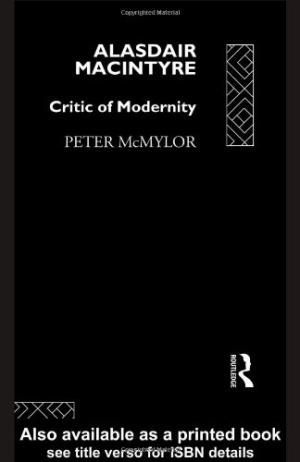
This book is the first full length account of the significance of MacIntyre’s work for the social sciences. MacIntyre’s moral philosophy is shown to provide the resources for a powerful critique of liberalism. His discussion of the managerist and emotivist roots of modern culture is seen as the inspiration for a critical social science of Modernity.
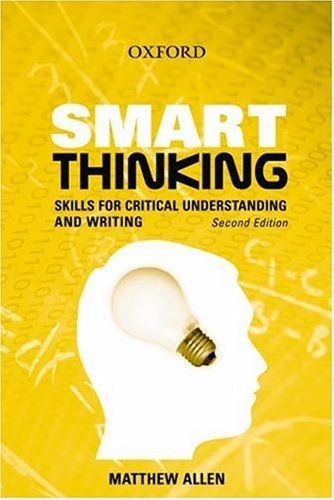
Smart Thinking: Skills for Critical Understanding and Writing 2E is a practical step-by-step guide to improving skills in analysis, critical thinking, and the effective communication of arguments and explanations. The book combines an accessible and straightforward style, with a strong foundation of knowledge. The text treats reasoning as an aspect of communication, not an abstract exercise in logic. The book not only provides detailed advice on how to practise analytical skills, but also demonstrates how these skills can be used in research and writing. In particular, it emphasises how to develop arguments that are coherent and that take account of their audience and context.
Widely regarded as one of the foremost figures in contemporary philosophy of religion, Linda Zagzebski has written a new book that will be seen as a major contribution to ethical theory and theological ethics. At the core of the book lies a new form of virtue theory based on the emotions. Quite distinct from deontological, consequentialist and teleological virtue theories, this one has a particular theological, indeed Christian, foundation. The new theory helps to resolve philosophical problems and puzzles of various kinds: the dispute between cognitivism and non-cognitivism in moral psychology, the claims and counterclaims of realism and anti-realism in the metaphysics of value, and paradoxes of perfect goodness in natural theology, including the problem of evil. As with Zagzebski’s previous Cambridge book Virtues of the Mind, this new book will be sought out eagerly by a broad swathe of professionals and graduate students in philosophy and religious studies.
The nature of qualitative inquiry means that researchers constantly have to deal with the unexpected, and all too often this means coping with the presence of danger or risk. This innovative and lively analysis of danger in various qualitative research settings is drawn from researchers’ reflexive accounts of their own encounters with ‘danger’. An original take on the ever-popular topic of the ethics of research, this pioneering book expands the common sense use of the term to encompass not just physical danger, but emotional, ethical and professional danger too, with the authors paying special attention to the gendered forms of danger implicit in the research process. From the physical danger of researching the night club ‘bouncer’ scene to the ethical dangers of participant observation in an old people’s home, these international contributions provide researchers and students with thought provoking insights into the importance of a well chosen research design.
ما از اخلاق چه انتظاری داریم؟ این سوال شاید تاحدودی برای عموم مردم و یا متخصصان این رشته قابل پاسخ باشد؛ اینکه خوب بودن را به ما بیاموزد و در تنظیم روابط فردی م...

جشن کتاب تهران به ایستگاه سی و یکم رسیده است. حال و احوال نشر کتاب خوب نیست و باید فرهنگدوستان را به خرید و هدیه دادن کتاب ترغیب نمود. خانه اخلاقپژوهان جوان ب...

بنیاد کتابهای اخلاق اسلامی عمدتا پالایش جان از آلودگیها و آراستن آن به زیباییها است. اندیشه محوری این قبیل کتابها آن است که انسان فعلی آنی نیست که باید باشد...

-
0 Comments