Notice: تابع WP_Block_Type_Registry::register به طورنادرست فراخوانی شد. نامهای نوع بلوک نباید حروف بزرگ داشته باشند. لطفاً برای اطلاعات بیشتر، اشکال زدایی در وردپرس را مشاهده کنید. (این پیام در نگارش 5.0.0 افزوده شده است.) in /home/ethicsho/public_html/wp-includes/functions.php on line 5313
Warning: Use of undefined constant TDC_PATH_LEGACY - assumed 'TDC_PATH_LEGACY' (this will throw an Error in a future version of PHP) in /home/ethicsho/public_html/wp-content/plugins/td-composer/td-composer.php on line 109
Warning: Use of undefined constant TDSP_THEME_PATH - assumed 'TDSP_THEME_PATH' (this will throw an Error in a future version of PHP) in /home/ethicsho/public_html/wp-content/plugins/td-composer/td-composer.php on line 113 بایگانیهای 2013 - صفحه 4 از 4 - خانه اخلاق پژوهان جوان Notice: Trying to access array offset on value of type bool in /home/ethicsho/public_html/wp-content/plugins/wp-ulike/inc/general-functions.php on line 807
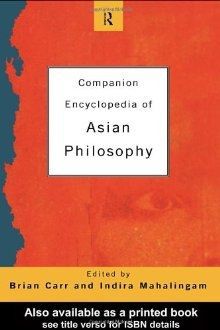
TheCompanion Encyclopedia of Asian Philosophyis a unique one-volume reference work which will make a broad range of richly varied philosophical, ethical and theological traditions accessible to a wide audience. TheEncyclopediais divided into 6 sections, each of which covers a specific tradition within Asian philosophy includingZoroastrianorPersian,Indian,Buddhist,Chinese,JapaneseandIslamic. Within each section the chapters cover such important areas as origins of the tradition, approaches to logic and language, positions on morals and society as well as histories of the lives of influential thinkers. In addition, the final chapter of each section provides unique coverage of current trends in each. The individual essays as well as the structure of this volume allow the reader to compare and contrast the philosophies of these cultures as well as understand the ways in which the cultures have shapedand been shaped by philosophical understanding. It is possible, for example, to relate the ways in which Buddhist philosophy has developed in India, Tibet, China, South-East Asia and Japan.
Genocide in Rwanda, multiple murder in Denver or Dunblane, the gruesome activities of serial killers–what makes these great evils, and why do they occur? In addressing such questions this book interconnects contemporary moral philosophy with recent work in New Testament scholarship. The conclusions to emerge are surprising. Gordon Graham argues that the inability of modernist thought to account satisfactorily for evil and its occurrence should not lead us to embrace an eclectic postmodernism, but to take seriously some unfashionable premodern conceptions–Satan, demonic possession, spiritual powers, cosmic battles. The book makes a powerful case for the rejection of humanism and naturalism, and for explaining the moral obligation to struggle against evil by reference to the New Testament’s cosmic narrative.
ما از اخلاق چه انتظاری داریم؟ این سوال شاید تاحدودی برای عموم مردم و یا متخصصان این رشته قابل پاسخ باشد؛ اینکه خوب بودن را به ما بیاموزد و در تنظیم روابط فردی م...

جشن کتاب تهران به ایستگاه سی و یکم رسیده است. حال و احوال نشر کتاب خوب نیست و باید فرهنگدوستان را به خرید و هدیه دادن کتاب ترغیب نمود. خانه اخلاقپژوهان جوان ب...

بنیاد کتابهای اخلاق اسلامی عمدتا پالایش جان از آلودگیها و آراستن آن به زیباییها است. اندیشه محوری این قبیل کتابها آن است که انسان فعلی آنی نیست که باید باشد...

-
0 Comments