Notice: تابع WP_Block_Type_Registry::register به طورنادرست فراخوانی شد. نامهای نوع بلوک نباید حروف بزرگ داشته باشند. لطفاً برای اطلاعات بیشتر، اشکال زدایی در وردپرس را مشاهده کنید. (این پیام در نگارش 5.0.0 افزوده شده است.) in /home/ethicsho/public_html/wp-includes/functions.php on line 5313
Warning: Use of undefined constant TDC_PATH_LEGACY - assumed 'TDC_PATH_LEGACY' (this will throw an Error in a future version of PHP) in /home/ethicsho/public_html/wp-content/plugins/td-composer/td-composer.php on line 109
Warning: Use of undefined constant TDSP_THEME_PATH - assumed 'TDSP_THEME_PATH' (this will throw an Error in a future version of PHP) in /home/ethicsho/public_html/wp-content/plugins/td-composer/td-composer.php on line 113 بایگانیهای RC489.L6 .P38 2010 - خانه اخلاق پژوهان جوان Notice: Trying to access array offset on value of type bool in /home/ethicsho/public_html/wp-content/plugins/wp-ulike/inc/general-functions.php on line 807
It is hard to overestimate the importance of the work of Augustine of Hippo, both in his own period and in the subsequent history of Western philosophy. Until the thirteenth century, when he may have had a competitor in Thomas Aquinas, he was the most important philosopher of the medieval period. Many of his views, including his theory of the just war, his account of time and eternity, his understanding of the will, his attempted resolution of the problem of evil, and his approach to the relation of faith and reason, have continued to be influential up to the present time. In this volume of specially-commissioned essays, sixteen scholars provide a wide-ranging and stimulating contribution to our understanding of Augustine, covering all the major areas of his philosophy and theology.
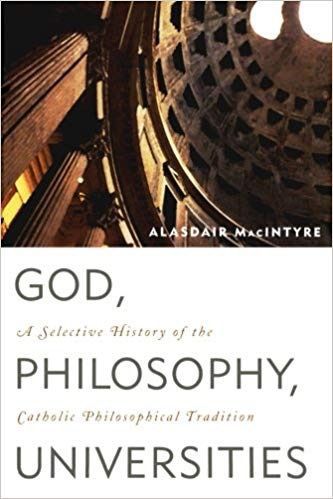
‘What does it mean to be a human being?’ Given this perennial question, Alasdair MacIntyre, one of America’s preeminent philosophers, presents a compelling argument on the necessity and importance of philosophy. Because of a need to better understand Catholic philosophical thought, especially in the context of its historical development and realizing that philosophers interact within particular social and cultural situations, MacIntyre offers this brief history of Catholic philosophy. Tracing the idea of God through different philosophers’ engagement of God and how this engagement has played out in universities, MacIntyre provides a valuable, lively, and insightful study of the disintegration of academic disciplines with knowledge. MacIntyre then demonstrates the dangerous implications of this happening and how universities can and ought to renew a shared understanding of knowledge in their mission. This engaging work will be a benefit and a delight to all readers.
In his many best-selling books, Yi-Fu Tuan seizes big, metaphysical issues and considers them in uniquely accessible ways. Human Goodness is evidence of this talent and is both as simple, and as epic, as it sounds. Genuinely good people and their actions, Tuan contends, are far from boring, naive, and trite; they are complex, varied, and enormously exciting. In a refreshing antidote to skeptical times, he writes of ordinary human courtesies, as simple as busing your dishes after eating, that make society functional and livable. And he writes of extraordinary courage and inventiveness under the weight of adversity and evil. He considers the impact of communal goodness over time, and his sketches of six very different individuals—Confucius, Socrates, Wolfgang Amadeus Mozart, John Keats, Dr. Albert Schweitzer, and Simone Weil—confirm that there are human lives that can encourage and lead us to our better selves.
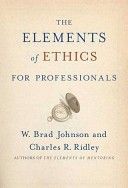
Patterned after Strunk and White’s classic The Elements of Style, this handy guide pulls the existing research on the delicate balance of professional ethics into one concise source. Johnson and Ridley explore seventy-five of the most important and pithy truths for supervisors in all fields, including questions of integrity, loyalty, justice, respect, and delivering one’s best in the business environment. Succinct and comprehensive, with examples and takeaway advice, this is a must-have for any professional or business leader striving to create an ethical workplace.
Writing in a conversational style filled with stories and examples, Jim Keenan breaks open the treasure trove of resources in the Catholic tradition for developing moral wisdom. He reclaims four key texts that bishops and lay people alike appealed to in nurturing their moral wisdom–the person of Jesus in the New Testament, the ten commandments in the catechism, the practice of the corporal works of mercy, and the development of the four cardinal virtues–and lifts up the lessons on love, conscience, sin, and suffering within these texts that form the content of the Catholic moral tradition.
ما از اخلاق چه انتظاری داریم؟ این سوال شاید تاحدودی برای عموم مردم و یا متخصصان این رشته قابل پاسخ باشد؛ اینکه خوب بودن را به ما بیاموزد و در تنظیم روابط فردی م...

جشن کتاب تهران به ایستگاه سی و یکم رسیده است. حال و احوال نشر کتاب خوب نیست و باید فرهنگدوستان را به خرید و هدیه دادن کتاب ترغیب نمود. خانه اخلاقپژوهان جوان ب...

بنیاد کتابهای اخلاق اسلامی عمدتا پالایش جان از آلودگیها و آراستن آن به زیباییها است. اندیشه محوری این قبیل کتابها آن است که انسان فعلی آنی نیست که باید باشد...

-
0 Comments