Notice: تابع WP_Block_Type_Registry::register به طورنادرست فراخوانی شد. نامهای نوع بلوک نباید حروف بزرگ داشته باشند. لطفاً برای اطلاعات بیشتر، اشکال زدایی در وردپرس را مشاهده کنید. (این پیام در نگارش 5.0.0 افزوده شده است.) in /home/ethicsho/public_html/wp-includes/functions.php on line 5313
Warning: Use of undefined constant TDC_PATH_LEGACY - assumed 'TDC_PATH_LEGACY' (this will throw an Error in a future version of PHP) in /home/ethicsho/public_html/wp-content/plugins/td-composer/td-composer.php on line 109
Warning: Use of undefined constant TDSP_THEME_PATH - assumed 'TDSP_THEME_PATH' (this will throw an Error in a future version of PHP) in /home/ethicsho/public_html/wp-content/plugins/td-composer/td-composer.php on line 113 بایگانیهای GF80 .C35 1989 - خانه اخلاق پژوهان جوان Notice: Trying to access array offset on value of type bool in /home/ethicsho/public_html/wp-content/plugins/wp-ulike/inc/general-functions.php on line 807
In this important study Nicholas Wolterstorff interprets and discusses the ethics of belief which Locke developed in the latter part of Book IV of his “Essay Concerning Human Understanding.” After lengthy discussion on the origin of ideas, the nature of language, and the nature of knowledge, Locke got around to arguing what he indicated in the opening Epistle to the Reader to be his overarching aim: how we ought to govern our belief, especially (though by no means only) on matters of religion and morality. Professor Wolterstorff shows that what above all placed this topic on Locke’s agenda was the collapse, in his day, of a once-unified moral and religious tradition in Europe into warring factions. Locke’s epistemology was thus a culturally and socially engaged one; it was his response to the cultural crisis of his day. Convinced also that of genuine knowledge we human beings have very little, Locke argued that instead of following tradition we ought to turn “to the things themselves” and let “Reason be your guide.” This view of Locke, in which centrality is given to the last book of the “Essay,” invites an interpretation of the origins of modern philosophy different from most of the current ones. Accordingly, after discussing Hume’s powerful attack on Locke’s recommended practice, Wolterstorff argues for Locke’s originality and discusses his contribution to the modernity of post-sixteenth-century philosophy.
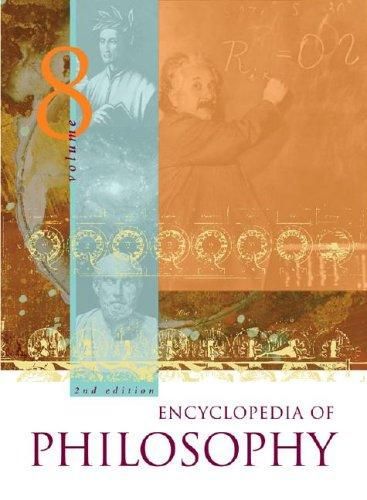
Containing material from hundreds of highly distinguished contributors representing the world’s top universities and institutions, the second edition has a truly global perspective. It contains more than 2,100 entries — including more than 450 new articles. Among the many topics covered are African, Islamic, Jewish, Russian, Chinese, and Buddhist philosophies; bioethics and biomedical ethics; art and aesthetics; epistemology; metaphysics; peace and war; social and political philosophy; the Holocaust; feminist thought; and much more. Additionally, the second edition also features 1,000 biographical entries on major figures in philosophical thought throughout history.
Through a series of essays, Art and Ethical Criticism explores the complex relationship between the arts and morality. Reflects the importance of a moral life of engagement with works of art Forms part of the prestigious New Directions in Aesthetics series, which confronts the most intriguing problems in aesthetics and the philosophy of art today
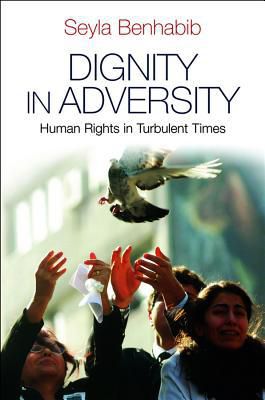
The language of human rights has become the public vocabulary of our contemporary world. Ironically, as the political influence of human rights has grown, their philosophical justification has become ever more controversial. Building on a theory of discourse ethics and communicative rationality, this book addresses the politics and philosophy of human rights against the background of the broader social transformations that are shaping the modern world. Rejecting the reduction of international human rights to the Trojan horse of a neo-liberal empire’s bid for world power, as well as the conservative objections to legal cosmopolitanism as encroachments upon democratic sovereignty, Benhabib develops two key concepts to move beyond these false antitheses. International human rights norms need contextualization in specific polities through processes of what she calls ‘democratic iterations.’ Furthermore, such norms have a ‘jurisgenerative power, ‘ in that they enable new actors to enter fields of social and political contestation; they promote new vocabularies for public claim-making and anticipate a justice to come. — Book Description.
ما از اخلاق چه انتظاری داریم؟ این سوال شاید تاحدودی برای عموم مردم و یا متخصصان این رشته قابل پاسخ باشد؛ اینکه خوب بودن را به ما بیاموزد و در تنظیم روابط فردی م...

جشن کتاب تهران به ایستگاه سی و یکم رسیده است. حال و احوال نشر کتاب خوب نیست و باید فرهنگدوستان را به خرید و هدیه دادن کتاب ترغیب نمود. خانه اخلاقپژوهان جوان ب...

بنیاد کتابهای اخلاق اسلامی عمدتا پالایش جان از آلودگیها و آراستن آن به زیباییها است. اندیشه محوری این قبیل کتابها آن است که انسان فعلی آنی نیست که باید باشد...

-
0 Comments