Notice: تابع WP_Block_Type_Registry::register به طورنادرست فراخوانی شد. نامهای نوع بلوک نباید حروف بزرگ داشته باشند. لطفاً برای اطلاعات بیشتر، اشکال زدایی در وردپرس را مشاهده کنید. (این پیام در نگارش 5.0.0 افزوده شده است.) in /home/ethicsho/public_html/wp-includes/functions.php on line 5313
Warning: Use of undefined constant TDC_PATH_LEGACY - assumed 'TDC_PATH_LEGACY' (this will throw an Error in a future version of PHP) in /home/ethicsho/public_html/wp-content/plugins/td-composer/td-composer.php on line 109
Warning: Use of undefined constant TDSP_THEME_PATH - assumed 'TDSP_THEME_PATH' (this will throw an Error in a future version of PHP) in /home/ethicsho/public_html/wp-content/plugins/td-composer/td-composer.php on line 113 بایگانیهای E184.A1 .E584 2008 - خانه اخلاق پژوهان جوان Notice: Trying to access array offset on value of type bool in /home/ethicsho/public_html/wp-content/plugins/wp-ulike/inc/general-functions.php on line 807
The process of turning the news into just another product has been going on since at least the nineteenth century. But this process of commodification has accelerated since a few, publicly owned conglomerates have come to dominate the global media market. The emphasis on the bottom line has resulted in newsroom budget cuts and other business strategies that seriously endanger good journalism. Meanwhile, the growing influence of the Internet and partisan commentary has led even journalists themselves to question their role. In this book, Sandra L. Borden analyzes the ethical bind of public-minded journalists using Alasdair MacIntyre’s account of a ‘practice’. She suggests that MacIntyre’s framework helps us to see how journalism is normatively defined by the pursuit of goods appropriate to its purpose – and how money and other ‘external’ goods threaten that pursuit. Borden argues that developing and promoting the kind of robust group identity implied by the idea of a practice can help journalism better withstand the moral challenges posed by commodification. This book applies MacIntyre’s virtue theory to journalism with philosophical rigor, and at the same time is informed by the most current thinking from communication and other disciplines, including organizational studies and sociology.
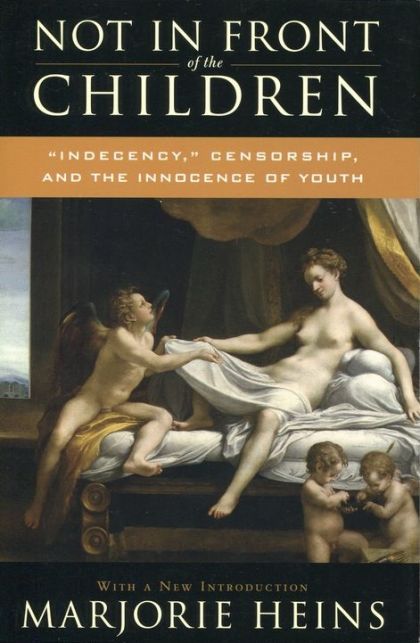
From Huckleberry Finn to Harry Potter, from Internet filters to the v-chip, censorship exercised on behalf of children and adolescents is often based on the assumption that they must be protected from “indecent” information that might harm their development—whether in art, in literature, or on a Web site. But where does this assumption come from, and is it true? In Not in Front of the Children, Marjorie Heins explores the fascinating history of “indecency” laws and other restrictions aimed at protecting youth. From Plato’s argument for rigid censorship, through Victorian laws aimed at repressing libidinous thoughts, to contemporary battles over sex education in public schools and violence in the media, Heins guides us through what became, and remains, an ideological minefield. With fascinating examples drawn from around the globe, she suggests that the “harm to minors” argument rests on shaky foundations.
In the past three decades, images of undocumented immigrants pouring across the southern border have driven the immigration debate and policies have been implemented in response to those images. The Oklahoma City bombings and the tragic events of September 11, both of questionable relevance to immigration policy have provided further impetus to implement strategies that are anti-immigration in design and effect. This book discusses the major immigration policy areas – undocumented workers, the immigration selection system, deportation of aggravated felons, national security and immigration policy, and the integration of new Americans – and the author suggests his own proposals on how to address the policy challenges from a perspective that encourages us to consider the moral consequences of our decisions. The author also reviews some of the policies that have been put forth and ignored and suggests new policies that would be good for the country economically and socially.
ما از اخلاق چه انتظاری داریم؟ این سوال شاید تاحدودی برای عموم مردم و یا متخصصان این رشته قابل پاسخ باشد؛ اینکه خوب بودن را به ما بیاموزد و در تنظیم روابط فردی م...

جشن کتاب تهران به ایستگاه سی و یکم رسیده است. حال و احوال نشر کتاب خوب نیست و باید فرهنگدوستان را به خرید و هدیه دادن کتاب ترغیب نمود. خانه اخلاقپژوهان جوان ب...

بنیاد کتابهای اخلاق اسلامی عمدتا پالایش جان از آلودگیها و آراستن آن به زیباییها است. اندیشه محوری این قبیل کتابها آن است که انسان فعلی آنی نیست که باید باشد...

-
0 Comments