Notice: تابع WP_Block_Type_Registry::register به طورنادرست فراخوانی شد. نامهای نوع بلوک نباید حروف بزرگ داشته باشند. لطفاً برای اطلاعات بیشتر، اشکال زدایی در وردپرس را مشاهده کنید. (این پیام در نگارش 5.0.0 افزوده شده است.) in /home/ethicsho/public_html/wp-includes/functions.php on line 5313
Warning: Use of undefined constant TDC_PATH_LEGACY - assumed 'TDC_PATH_LEGACY' (this will throw an Error in a future version of PHP) in /home/ethicsho/public_html/wp-content/plugins/td-composer/td-composer.php on line 109
Warning: Use of undefined constant TDSP_THEME_PATH - assumed 'TDSP_THEME_PATH' (this will throw an Error in a future version of PHP) in /home/ethicsho/public_html/wp-content/plugins/td-composer/td-composer.php on line 113 بایگانیهای BJ1411 .S36 1998 - خانه اخلاق پژوهان جوان Notice: Trying to access array offset on value of type bool in /home/ethicsho/public_html/wp-content/plugins/wp-ulike/inc/general-functions.php on line 807
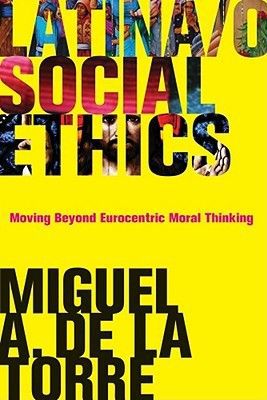
A groundbreaking corrective work, Latina/o Social Ethics strives to create a liberative ethical approach to the Hispanic experience by using its own tools and materials. First explaining why Eurocentric ethical paradigms are inadequate in their attempts to liberate oppressed communities, Miguel De La Torre looks with Hispanic eyes at three major ethicists of the twentieth century–Walter Rauschenbusch, Reinhold Niebuhr, and Stanley Hauerwas–and how ethics is presented in U.S. culture wars, from the Religious Right to the Religious Left. He deconstructs these ethical paradigms and demonstrates why all are detrimental to and irreconcilable with the Hispanic social location.With a clean slate, then, De La Torre moves to constructing a new Hispanic-centered ethical paradigm that is rooted in the Latino community way of being. Reviewing the field of Hispanic ethical thought, De La Torre pays special attention to specific concepts ripe with potential that have been developed over the past generation. In the final chapter, De La Torre offers his own constructive paradigm–an ethics para joder , which is rooted in the Latina/o experience, and by which, he argues, the Hispanic community can survive within U.S. culture.
A physician says, “I have an ethical obligation never to cause the death of a patient,” another responds, “My ethical obligation is to relieve pain even if the patient dies.” The current argument over the role of physicians in assisting patients to die constantly refers to the ethical duties of the profession. References to the Hippocratic Oath are often heard. Many modern problems, from assisted suicide to accessible health care, raise questions about the traditional ethics of medicine and the medical profession. However, few know what the traditional ethics are and how they came into being. This book provides a brief tour of the complex story of medical ethics evolved over centuries in both Western and Eastern culture. It sets this story in the social and cultural contexts in which the work of healing was practiced and suggests that, behind the many different perceptions about the ethical duties of physicians, certain themes appear constantly, and may be relevant to modern debates. The book begins with the Hippocratic medicine of ancient Greece, moves through the Middle Ages, Renaissance and Enlightenment in Europe, and the long history of Indian 7nd Chinese medicine, ending as the problems raised modern medical science and technology challenge the settled ethics of the long tradition.
ما از اخلاق چه انتظاری داریم؟ این سوال شاید تاحدودی برای عموم مردم و یا متخصصان این رشته قابل پاسخ باشد؛ اینکه خوب بودن را به ما بیاموزد و در تنظیم روابط فردی م...

جشن کتاب تهران به ایستگاه سی و یکم رسیده است. حال و احوال نشر کتاب خوب نیست و باید فرهنگدوستان را به خرید و هدیه دادن کتاب ترغیب نمود. خانه اخلاقپژوهان جوان ب...

بنیاد کتابهای اخلاق اسلامی عمدتا پالایش جان از آلودگیها و آراستن آن به زیباییها است. اندیشه محوری این قبیل کتابها آن است که انسان فعلی آنی نیست که باید باشد...

-
0 Comments