Notice: تابع WP_Block_Type_Registry::register به طورنادرست فراخوانی شد. نامهای نوع بلوک نباید حروف بزرگ داشته باشند. لطفاً برای اطلاعات بیشتر، اشکال زدایی در وردپرس را مشاهده کنید. (این پیام در نگارش 5.0.0 افزوده شده است.) in /home/ethicsho/public_html/wp-includes/functions.php on line 5313
Warning: Use of undefined constant TDC_PATH_LEGACY - assumed 'TDC_PATH_LEGACY' (this will throw an Error in a future version of PHP) in /home/ethicsho/public_html/wp-content/plugins/td-composer/td-composer.php on line 109
Warning: Use of undefined constant TDSP_THEME_PATH - assumed 'TDSP_THEME_PATH' (this will throw an Error in a future version of PHP) in /home/ethicsho/public_html/wp-content/plugins/td-composer/td-composer.php on line 113 بایگانیهای B2929 .B53 2009 - خانه اخلاق پژوهان جوان Notice: Trying to access array offset on value of type bool in /home/ethicsho/public_html/wp-content/plugins/wp-ulike/inc/general-functions.php on line 807
C. Stephen Evans explains and defends Kierkegaard’s account of moral obligations as rooted in God’s commands, the fundamental command being `You shall love your neighbour as yourself’. The work will be of interest not only to those interested in Kierkegaard, but also to those interested in the relation between ethics and religion, especially questions about whether morality can or must have a religious foundation. As well as providing a comprehensive reading of Kierkegaard as an ethical thinker, Evans puts him into conversation with contemporary moral theorists. Kierkegaard’s divine command theory is shown to be an account that safeguards human flourishing, as well as protecting the proper relations between religion and state in a pluralistic society.
Containing material from hundreds of highly distinguished contributors representing the world’s top universities and institutions, the second edition has a truly global perspective. It contains more than 2,100 entries — including more than 450 new articles. Among the many topics covered are African, Islamic, Jewish, Russian, Chinese, and Buddhist philosophies; bioethics and biomedical ethics; art and aesthetics; epistemology; metaphysics; peace and war; social and political philosophy; the Holocaust; feminist thought; and much more. Additionally, the second edition also features 1,000 biographical entries on major figures in philosophical thought throughout history.
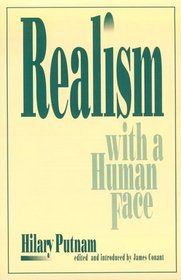
The time has come to reform philosophy, says Hilary Putnam, one of America’s great philosophers. He calls upon philosophers to attend to the gap between the present condition of their subject and the human aspirations that philosophy should and once did claim to represent. Putnam’s goal is to embed philosophy in social life.The first part of this book is dedicated to metaphysical questions. Putnam rejects the contemporary metaphysics that insists on describing both the mind and the world from a God’s-eye view. In its place he argues for pluralism, for a philosophy that is not a closed systematic method but a human practice connected to real life. Philosophy has a task, to be sure, but it is not to provide an inventory of the basic furniture of the universe or to separate reality in itself from our own projections. Putnam makes it clear that science is not in the business of describing a ready-made world, and philosophy should not be in that business either.The author moves on to show that the larger human context in which science matters is a world of values animated by ethics and aesthetic judgments. No adequate philosophy should try to explain away ethical facts. The dimension of history is added in the third part of the book. Here Putnam takes up a set of American philosophers, some firmly within and others outside the canon of analytic philosophy, such as William James and C. S. Peirce, and he explores the pragmatist contribution to philosophy from James to Quine and Goodman.This book connects issues in metaphysics with cultural and literary issues and argues that the collapse of philosophical realism does not entail a fall into the abyss of relativism and postmodern skepticism. It is aimed primarily at philosophers but should appeal to a wide range of humanists and social scientists.
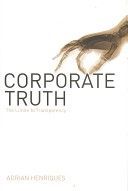
In the corporate jungle inhabited by Enrons and WorldComs, a lack of transparency is the root of all scandal, yet delivering transparency seems immensely difficult with the often competing interests of shareholders, corporate boards, government regulators, and other stakeholders. Written by noted corporate social responsibility practitioner Adrian Henriques and drawing on a vast wealth of real-life examples from the commercial world, this lively business book goes in search of the appropriate limits of transparency. From commercial confidentiality to the ethics of marketing to lobbying and corporate corruption, the author addresses the position, significance, and limits of transparency in modern corporate life and works through the dilemmas that the increasing calls for transparency present. From the secrets of the board room to the struggles of NGOs, transparency is a persistent challenge-how much is enough? How much do we need? How do we do it? This book, ideally suited to business leaders and managers, consultants and business students alike addresses these questions and more.
ما از اخلاق چه انتظاری داریم؟ این سوال شاید تاحدودی برای عموم مردم و یا متخصصان این رشته قابل پاسخ باشد؛ اینکه خوب بودن را به ما بیاموزد و در تنظیم روابط فردی م...

جشن کتاب تهران به ایستگاه سی و یکم رسیده است. حال و احوال نشر کتاب خوب نیست و باید فرهنگدوستان را به خرید و هدیه دادن کتاب ترغیب نمود. خانه اخلاقپژوهان جوان ب...

بنیاد کتابهای اخلاق اسلامی عمدتا پالایش جان از آلودگیها و آراستن آن به زیباییها است. اندیشه محوری این قبیل کتابها آن است که انسان فعلی آنی نیست که باید باشد...

-
0 Comments