Notice: تابع WP_Block_Type_Registry::register به طورنادرست فراخوانی شد. نامهای نوع بلوک نباید حروف بزرگ داشته باشند. لطفاً برای اطلاعات بیشتر، اشکال زدایی در وردپرس را مشاهده کنید. (این پیام در نگارش 5.0.0 افزوده شده است.) in /home/ethicsho/public_html/wp-includes/functions.php on line 5313
Warning: Use of undefined constant TDC_PATH_LEGACY - assumed 'TDC_PATH_LEGACY' (this will throw an Error in a future version of PHP) in /home/ethicsho/public_html/wp-content/plugins/td-composer/td-composer.php on line 109
Warning: Use of undefined constant TDSP_THEME_PATH - assumed 'TDSP_THEME_PATH' (this will throw an Error in a future version of PHP) in /home/ethicsho/public_html/wp-content/plugins/td-composer/td-composer.php on line 113 بایگانیهای 9780878406029 - خانه اخلاق پژوهان جوان Notice: Trying to access array offset on value of type bool in /home/ethicsho/public_html/wp-content/plugins/wp-ulike/inc/general-functions.php on line 807
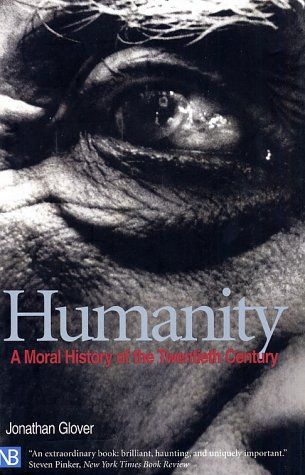
This important book confronts the brutal history of the 20th century to unravel the psychological mystery of why so many atrocities occurred–the Holocaust, Hiroshima, the Gulag, Cambodia, Yugoslavia, Rwanda, and others–and how we can prevent their reoccurrence.
In an age plagued by selfishness, materialism, and violence, ethicists feel impelled to find a universal system of values. To arrive at such a “rule” requires that they struggle with a series of seemingly irreconcilable questions. First, are universal values possible in a pluralistic world, and how does one do justice to both human equality and to individual and cultural differences? How is one to understand the interface between religious moral teachings and the ethics of secular humanism? Finally, can such a system integrate moral intuition and moral reason? In the first scholarly book in English on the golden rule since the seventeenth century, Jeffrey Wattles demonstrates how a clear understanding of the psychological, philosophical, and religious ramifications of the rule can form the synthesis needed to solve these dilemas.The golden rule, “do to others as you would have others do to you,” is widely assumed to have a single meaning, shared by virtually all the world’s religions. It strikes the average person as intuitively true, though most modern philosophers reject it or recast it in more rational form. Wattles surveys the history of the golden rule and its spectrum of meanings in diverse contexts, ranging from Confusius to Plato and Aristotle, from classical Jewish literature to the New Testament. He also considers medieval, Reformation, and modern theological and philosophical responses and objections to the rule, as well as how some early twentieth-century American leaders have tried to use the rule. Wattles draws these diverse interpretation into a synthesis that responds, at the psychological, philosophical, and religious levels, to the challenges to moral living in any given culture. Emotionally, the rules counsels consideration for others feelings by asking that “you place yourself in their shoes.” Intellectually, it activates moral thinking about what is fair. At the same time, it retains a spiritual appeal as “the principle of the practice of the family of God.”Demonstrating how, despite its contentious history, this age-old ethical principle contiues to be relevant in dealing with contemporary issues, The Golden Rule should interest students and scholars working in religious studies, philosophy and ethics, and psychology, as well as anyone looking for an alternative to postmodern cynicism and alienation.
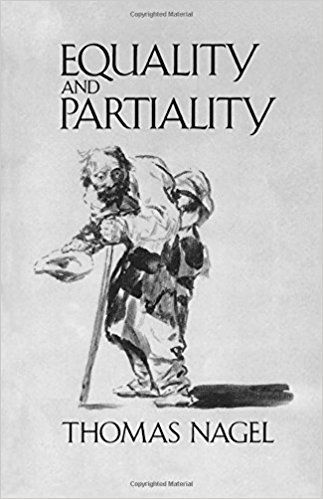
Derived from Thomas Nagel’s Locke Lectures, Equality and Partiality proposes a nonutopian account of political legitimacy, based on the need to accommodate both personal and impersonal motives in any credible moral theory, and therefore in any political theory with a moral foundation. Within each individual, Nagel believes, there is a division between two standpoints, the personal and the impersonal. Without the impersonal standpoint, there would be no morality, only the clash, compromise, and occasional convergence of individual perspectives. It is because a human being does not occupy only his own point of view that each of us is susceptible to the claims of others through private and public morality. Political systems, to be legitimate, must achieve an integration of these two standpoints within the individual. These ideas are applied to specific problems such as social and economic inequality, toleration, international justice, and the public support of culture. Nagel points to the problem of balancing equality and partiality as the most important issue with which political theorists are now faced.
Deletelooks at the surprising phenomenon of perfect remembering in the digital age, and reveals why we must reintroduce our capacity to forget. Digital technology empowers us as never before, yet it has unforeseen consequences as well. Potentially humiliating content on Facebook is enshrined in cyberspace for future employers to see. Google remembers everything we’ve searched for and when. The digital realm remembers what is sometimes better forgotten, and this has profound implications for us all.InDelete, Viktor Mayer-Schouml;nberger traces the important role that forgetting has played throughout human history, from the ability to make sound decisions unencumbered by the past to the possibility of second chances. The written word made it possible for humans to remember across generations and time, yet now digital technology and global networks are overriding our natural ability to forget–the past is ever present, ready to be called up at the click of a mouse. Mayer-Schouml;nberger examines the technology that’s facilitating the end of forgetting–digitization, cheap storage and easy retrieval, global access, and increasingly powerful software–and describes the dangers of everlasting digital memory, whether it’s outdated information taken out of context or compromising photos the Web won’t let us forget. He explains why information privacy rights and other fixes can’t help us, and proposes an ingeniously simple solution–expiration dates on information–that may.Deleteis an eye-opening book that will help us remember how to forget in the digital age.
Also contains Ethics, Correspondence, all in excellent R. Elwes translation. Basic works on entry to philosophy, pantheism, exchange of ideas with great contemporaries.
ما از اخلاق چه انتظاری داریم؟ این سوال شاید تاحدودی برای عموم مردم و یا متخصصان این رشته قابل پاسخ باشد؛ اینکه خوب بودن را به ما بیاموزد و در تنظیم روابط فردی م...

جشن کتاب تهران به ایستگاه سی و یکم رسیده است. حال و احوال نشر کتاب خوب نیست و باید فرهنگدوستان را به خرید و هدیه دادن کتاب ترغیب نمود. خانه اخلاقپژوهان جوان ب...

بنیاد کتابهای اخلاق اسلامی عمدتا پالایش جان از آلودگیها و آراستن آن به زیباییها است. اندیشه محوری این قبیل کتابها آن است که انسان فعلی آنی نیست که باید باشد...

-
0 Comments