Notice: تابع WP_Block_Type_Registry::register به طورنادرست فراخوانی شد. نامهای نوع بلوک نباید حروف بزرگ داشته باشند. لطفاً برای اطلاعات بیشتر، اشکال زدایی در وردپرس را مشاهده کنید. (این پیام در نگارش 5.0.0 افزوده شده است.) in /home/ethicsho/public_html/wp-includes/functions.php on line 5313
Warning: Use of undefined constant TDC_PATH_LEGACY - assumed 'TDC_PATH_LEGACY' (this will throw an Error in a future version of PHP) in /home/ethicsho/public_html/wp-content/plugins/td-composer/td-composer.php on line 109
Warning: Use of undefined constant TDSP_THEME_PATH - assumed 'TDSP_THEME_PATH' (this will throw an Error in a future version of PHP) in /home/ethicsho/public_html/wp-content/plugins/td-composer/td-composer.php on line 113 بایگانیهای 9780585024301 - خانه اخلاق پژوهان جوان Notice: Trying to access array offset on value of type bool in /home/ethicsho/public_html/wp-content/plugins/wp-ulike/inc/general-functions.php on line 807
Art and Moralityis a collection of groundbreaking new papers on the theme of aesthetics and ethics, and the link between the two subjects. A group of world-class contributors tackle the important question that arise when one thinks about the moral dimensions of art and the aesthetic dimension of moral life. The volume is a significant contribution to the philosophical literature, opening up unexplored questions and shedding new light on more traditional debates in aesthetics. The topics explored include the relation of aesthetic to ethical judgment; the relation of artistic experience to moral consciousness; the moral status of fiction; the concepts of sentimentality and decadence; the moral dimension of critical practice, pictorial art and music; the moral significance of tragedy; and the connections between artistic and moral issues elaborated in the writings of central figures in modern philosophy such as Kant, Schopenhauer and Nietzsche.
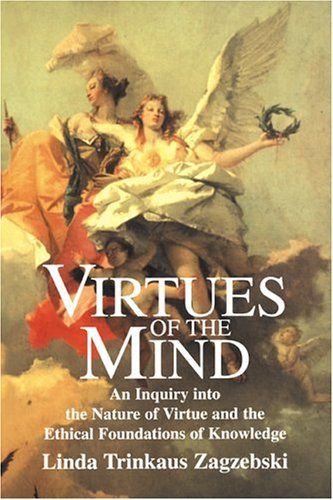
Almost all theories of knowledge and justified belief employ moral concepts and forms of argument borrowed from moral theories, but none of them pay attention to the current renaissance in virtue ethics. This remarkable book is the first attempt to establish a theory of knowledge based on the model of virtue theory in ethics. The book develops the concept of an intellectual virtue, and then shows how the concept can be used to give an account of the major concepts in epistemology, including the concept of knowledge.
How do we know what is morally right or wrong, good or bad? There have been innumerable answers to this question in the history of philosophy. Most of these answers can be grouped under two major positions. Either moral experience is emotional, but then it must be subjective (sentimentalism); or it is objective, but then it must be rational (rationalism). This division is based on a dichotomy between reason and emotion. However, this dichotomy has long been rejected by many emotion-scholars. This book presents a new philosophical theory according to which we need intuitions and emotions in order to have objective moral knowledge, which is called affectual intuitionism. Affectual Intuitionism combines ethical intuitionism with a cognitive theory of emotions. This approach avoids a phenomenologically implausible rationalism as much as a morally problematic relativism, and it connects well with recent developments in moral psychology.
Based on a non-consequentialist ethical theory, this book critically examines the prevalent view that if a fetus has the moral standing of a person, it has a right to life and abortion is impermissible. Most discussion of abortion has assumed that this view is correct, and so has focused on the question of the personhood of the fetus. Kamm begins by considering in detail the permissibility of killing in non-abortion cases which are similar to abortion cases. She goes on to consider the case for the permissibility of abortion in many types of pregnancies, including ones resulting from rape, voluntary pregnancy, and pregnancy resulting from a voluntary sex act, even if the fetus is considered a person. This argument emerges as part of a broader theory of creating new people responsibly. Kamm explores the implications of this argument for informed consent to abortion; responsibilities in pregnancy that is not aborted, and the significance of extra-uterine gestation devices for the permissibility of abortion.
ما از اخلاق چه انتظاری داریم؟ این سوال شاید تاحدودی برای عموم مردم و یا متخصصان این رشته قابل پاسخ باشد؛ اینکه خوب بودن را به ما بیاموزد و در تنظیم روابط فردی م...

جشن کتاب تهران به ایستگاه سی و یکم رسیده است. حال و احوال نشر کتاب خوب نیست و باید فرهنگدوستان را به خرید و هدیه دادن کتاب ترغیب نمود. خانه اخلاقپژوهان جوان ب...

بنیاد کتابهای اخلاق اسلامی عمدتا پالایش جان از آلودگیها و آراستن آن به زیباییها است. اندیشه محوری این قبیل کتابها آن است که انسان فعلی آنی نیست که باید باشد...

-
0 Comments