Notice: تابع WP_Block_Type_Registry::register به طورنادرست فراخوانی شد. نامهای نوع بلوک نباید حروف بزرگ داشته باشند. لطفاً برای اطلاعات بیشتر، اشکال زدایی در وردپرس را مشاهده کنید. (این پیام در نگارش 5.0.0 افزوده شده است.) in /home/ethicsho/public_html/wp-includes/functions.php on line 5313
Warning: Use of undefined constant TDC_PATH_LEGACY - assumed 'TDC_PATH_LEGACY' (this will throw an Error in a future version of PHP) in /home/ethicsho/public_html/wp-content/plugins/td-composer/td-composer.php on line 109
Warning: Use of undefined constant TDSP_THEME_PATH - assumed 'TDSP_THEME_PATH' (this will throw an Error in a future version of PHP) in /home/ethicsho/public_html/wp-content/plugins/td-composer/td-composer.php on line 113 بایگانیهای 9780313383519 - خانه اخلاق پژوهان جوان Notice: Trying to access array offset on value of type bool in /home/ethicsho/public_html/wp-content/plugins/wp-ulike/inc/general-functions.php on line 807
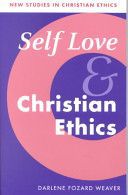
Self love is an inescapable problem for ethics, yet much of contemporary ethics is reluctant to offer any normative moral anthropologies. Instead, secular ethics and contemporary culture promote a norm of self-realization which is subjective and uncritical. Christian ethics also fails to address this problem directly, because it tends to investigate self love within the context of conflicts between the self’s interests and those of her neighbors. Self Love and Christian Ethics argues for right self love as the solution of proper self-relation that intersects with love for God and love for neighbor. Darlene Fozard Weaver explains that right self love entails a true self-understanding that is embodied in the person’s concrete acts and relations. In making this argument, she calls upon ethicists to revisit ontological accounts of the self and to devote more attention to particular moral acts.
Bolin analyses biblical and extra-biblical traditions and motifs in the book of Jonah, and argues that the book’s portrayal of the relationship between God and humanity, much like those of Job and Ecclesiastes, emphasizes an absolute divine sovereignty beyond human notions of mercy, justice, or forgiveness. God is understood as free to forgive, yet he still punishes, and is unfettered by the constraints imposed by attributes of benevolence. The only proper human response to God is fear at his power and acknowledgment of him as the source of welfare and woe.
How ought we to live? What really exists? How do we know? This book introduces important themes in ethics, knowledge, and the self, via readings from Plato, Hume, Descartes, Hegel, Darwin, and Buddhist writers. It emphasizes throughout the point of doing philosophy, explains how different areas of philosophy are related, and explores the contexts in which philosophy was and is done.
ما از اخلاق چه انتظاری داریم؟ این سوال شاید تاحدودی برای عموم مردم و یا متخصصان این رشته قابل پاسخ باشد؛ اینکه خوب بودن را به ما بیاموزد و در تنظیم روابط فردی م...

جشن کتاب تهران به ایستگاه سی و یکم رسیده است. حال و احوال نشر کتاب خوب نیست و باید فرهنگدوستان را به خرید و هدیه دادن کتاب ترغیب نمود. خانه اخلاقپژوهان جوان ب...

بنیاد کتابهای اخلاق اسلامی عمدتا پالایش جان از آلودگیها و آراستن آن به زیباییها است. اندیشه محوری این قبیل کتابها آن است که انسان فعلی آنی نیست که باید باشد...

-
0 Comments