Notice: تابع WP_Block_Type_Registry::register به طورنادرست فراخوانی شد. نامهای نوع بلوک نباید حروف بزرگ داشته باشند. لطفاً برای اطلاعات بیشتر، اشکال زدایی در وردپرس را مشاهده کنید. (این پیام در نگارش 5.0.0 افزوده شده است.) in /home/ethicsho/public_html/wp-includes/functions.php on line 5313
Warning: Use of undefined constant TDC_PATH_LEGACY - assumed 'TDC_PATH_LEGACY' (this will throw an Error in a future version of PHP) in /home/ethicsho/public_html/wp-content/plugins/td-composer/td-composer.php on line 109
Warning: Use of undefined constant TDSP_THEME_PATH - assumed 'TDSP_THEME_PATH' (this will throw an Error in a future version of PHP) in /home/ethicsho/public_html/wp-content/plugins/td-composer/td-composer.php on line 113 بایگانیهای 9780253218490 - خانه اخلاق پژوهان جوان Notice: Trying to access array offset on value of type bool in /home/ethicsho/public_html/wp-content/plugins/wp-ulike/inc/general-functions.php on line 807
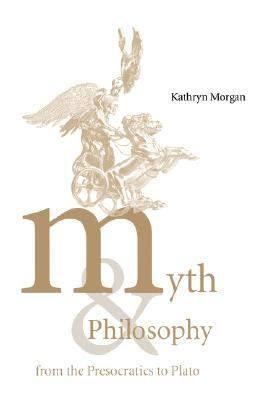
This book explores the complex relationship between myth and philosophy in writings by Greek intellectuals between the late-sixth and mid-fourth centuries BC. Although philosophy may seem far removed from mythological stories, closer examination reveals that Plato and others realized that philosophic accounts too were “stories” about reality. Kathryn Morgan shows how these philosophers used myth to express philosophic problems. Her book traces a tradition of strictly rational and philosophical myth through two centuries.
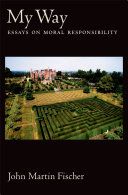
“The seven original essays, written by some of the world’s most distinguished moral and legal philosophers, bring a sophisticated philosophical perspective to bear on issues about the objectivity of legal interpretation and judicial decision making. They examine the intersection between objectivity in ethics and objectivity in law in the positivist and natural law traditions, and they develop a variety of approaches, constructive and critical, to the fundamental problems about the objectivity of morality. One of the key issues explored is that of the alleged “domain-specificity” of conceptions of objectivity, that is, whether there is a conception of objectivity, appropriate for ethics that is different in kind from the conception of objectivity appropriate for the sciences and other domains.”–BOOK JACKET.
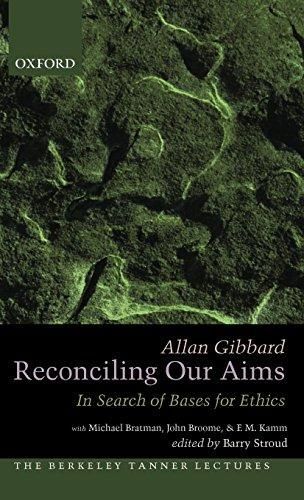
In these three Tanner lectures, distinguished ethical theorist Allan Gibbard explores the nature of normative thought and the bases of ethics. In the first lecture he explores the role of intuitions in moral thinking and offers a way of thinking about the intuitive method of moral inquiry that both places this activity within the natural world and makes sense of it as an indispensable part of our lives as planners. In the second and third lectures he takes up the kind of substantive ethical inquiry he has described in the first lecture, asking how we might live together on terms that none of us could reasonably reject. Since working at cross purposes loses fruits that might stem from cooperation, he argues, any consistent ethos that meets this test would be, in a crucial way, utilitarian. It would reconcile our individual aims to establish, in Kant’s phrase, a “kingdom of ends.” The volume also contains an introduction by Barry Stroud, the volume editor, critiques by Michael Bratman (Stanford University), John Broome (Oxford University), and F. M. Kamm (Harvard University), and Gibbard’s responses.
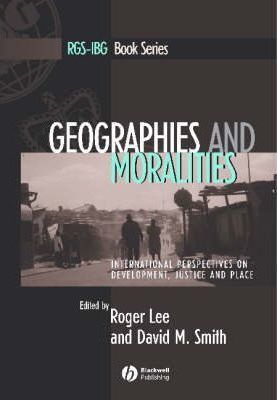
This topical book addresses contemporary concern with the interconnections between geography and morality. Covers both the geographical context of morality, and moralities in geographical methods and practices. Contains up-to-date case studies based on original research. Deals with controversial issues, such as problems of globalization, European integration, human rights in Nigeria, territorial conflict in Israel, and land reform in post-apartheid South Africa. The editors are well-published leading international authorities. The contributors are drawn from Australia, Eastern Europe, Israel, South Africa, the UK and the US.
ما از اخلاق چه انتظاری داریم؟ این سوال شاید تاحدودی برای عموم مردم و یا متخصصان این رشته قابل پاسخ باشد؛ اینکه خوب بودن را به ما بیاموزد و در تنظیم روابط فردی م...

جشن کتاب تهران به ایستگاه سی و یکم رسیده است. حال و احوال نشر کتاب خوب نیست و باید فرهنگدوستان را به خرید و هدیه دادن کتاب ترغیب نمود. خانه اخلاقپژوهان جوان ب...

بنیاد کتابهای اخلاق اسلامی عمدتا پالایش جان از آلودگیها و آراستن آن به زیباییها است. اندیشه محوری این قبیل کتابها آن است که انسان فعلی آنی نیست که باید باشد...

-
0 Comments