Notice: تابع WP_Block_Type_Registry::register به طورنادرست فراخوانی شد. نامهای نوع بلوک نباید حروف بزرگ داشته باشند. لطفاً برای اطلاعات بیشتر، اشکال زدایی در وردپرس را مشاهده کنید. (این پیام در نگارش 5.0.0 افزوده شده است.) in /home/ethicsho/public_html/wp-includes/functions.php on line 5313
Warning: Use of undefined constant TDC_PATH_LEGACY - assumed 'TDC_PATH_LEGACY' (this will throw an Error in a future version of PHP) in /home/ethicsho/public_html/wp-content/plugins/td-composer/td-composer.php on line 109
Warning: Use of undefined constant TDSP_THEME_PATH - assumed 'TDSP_THEME_PATH' (this will throw an Error in a future version of PHP) in /home/ethicsho/public_html/wp-content/plugins/td-composer/td-composer.php on line 113 بایگانیهای 978-0-691-15024-6 - خانه اخلاق پژوهان جوان Notice: Trying to access array offset on value of type bool in /home/ethicsho/public_html/wp-content/plugins/wp-ulike/inc/general-functions.php on line 807
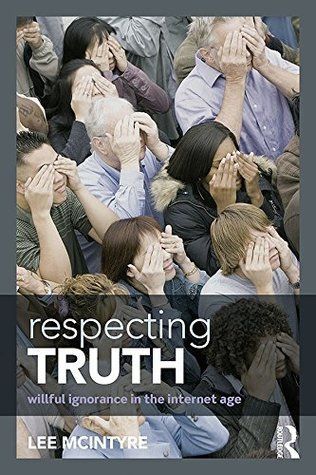
Throughout history, humans have always indulged in certain irrationalities and held some fairly wrong-headed beliefs. But in his newest book, philosopher Lee McIntyre shows how we’ve now reached a watershed moment for ignorance in the modern era, due to the volume of misinformation, the speed with which it can be digitally disseminated, and the savvy exploitation of our cognitive weaknesses by those who wish to advance their ideological agendas. In Respecting Truth: Willful Ignorance in the Internet Age, McIntyre issues a call to fight back against this slide into the witless abyss. In the tradition of Galileo, the author champions the importance of using tested scientific methods for arriving at true beliefs, and shows how our future survival is dependent on a more widespread, reasonable world.
A Modern Legal Ethicsproposes a wholesale renovation of legal ethics, one that contributes to ethical thought generally.Daniel Markovits reinterprets the positive law governing lawyers to identify fidelity as its organizing ideal. Unlike ordinary loyalty, fidelity requires lawyers to repress their personal judgments concerning the truth and justice of their clients’ claims. Next, the book asks what it is like–not psychologically but ethically–to practice law subject to the self-effacement that fidelity demands. Fidelity requires lawyers to lie and to cheat on behalf of their clients. However, an ethically profound interest in integrity gives lawyers reason to resist this characterization of their conduct. Any legal ethics adequate to the complexity of lawyers’ lived experience must address the moral dilemmas immanent in this tension. The dominant approaches to legal ethics cannot. Finally,A Modern Legal Ethicsreintegrates legal ethics into political philosophy in a fashion commensurate to lawyers’ central place in political practice. Lawyerly fidelity supports the authority of adjudication and thus the broader project of political legitimacy.Throughout, the book rejects the casuistry that dominates contemporary applied ethics in favor of an interpretive method that may be mimicked in other areas. Moreover, because lawyers practice at the hinge of modern morals and politics, the book’s interpretive insights identify–in an unusually pure and intense form–the moral and political conditions of all modernity.
This book explores questions regarding the justice of war and addresses the lack of comparative perspectives on the ethics of war, particularly with respect to Islam. Focusing on the role of Islamic symbols in the rhetoric of Saddam Hussein, Kelsay provides an overview of the Islamic tradition regarding war and peace, and investigates the notion of religion as a just cause for war.
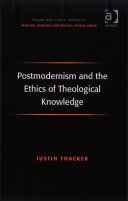
This book establishes the necessary integration of theological knowledge with theological ethics. It does this as a response to the postmodern critique of Christianity, as exemplified in Rorty and Lyotard. They argue that any claim to know God is necessarily tyrannical. Contemporary responses to such postmodern thinking often fail to address adequately the ethical critique that is made. This book redresses that balance by suggesting that our knowedge of God and love of the Other are so intimately connected that we cannot have one without the other. In the absence of love, then, we simply do not know God. Justin Thacker proposes that an effective theological response to postmodernity must address both knowledge and ethics in an integrated fashion as presented in this book.
ما از اخلاق چه انتظاری داریم؟ این سوال شاید تاحدودی برای عموم مردم و یا متخصصان این رشته قابل پاسخ باشد؛ اینکه خوب بودن را به ما بیاموزد و در تنظیم روابط فردی م...

جشن کتاب تهران به ایستگاه سی و یکم رسیده است. حال و احوال نشر کتاب خوب نیست و باید فرهنگدوستان را به خرید و هدیه دادن کتاب ترغیب نمود. خانه اخلاقپژوهان جوان ب...

بنیاد کتابهای اخلاق اسلامی عمدتا پالایش جان از آلودگیها و آراستن آن به زیباییها است. اندیشه محوری این قبیل کتابها آن است که انسان فعلی آنی نیست که باید باشد...

-
0 Comments