Notice: تابع WP_Block_Type_Registry::register به طورنادرست فراخوانی شد. نامهای نوع بلوک نباید حروف بزرگ داشته باشند. لطفاً برای اطلاعات بیشتر، اشکال زدایی در وردپرس را مشاهده کنید. (این پیام در نگارش 5.0.0 افزوده شده است.) in /home/ethicsho/public_html/wp-includes/functions.php on line 5313
Warning: Use of undefined constant TDC_PATH_LEGACY - assumed 'TDC_PATH_LEGACY' (this will throw an Error in a future version of PHP) in /home/ethicsho/public_html/wp-content/plugins/td-composer/td-composer.php on line 109
Warning: Use of undefined constant TDSP_THEME_PATH - assumed 'TDSP_THEME_PATH' (this will throw an Error in a future version of PHP) in /home/ethicsho/public_html/wp-content/plugins/td-composer/td-composer.php on line 113 بایگانیهای 2596 - خانه اخلاق پژوهان جوان Notice: Trying to access array offset on value of type bool in /home/ethicsho/public_html/wp-content/plugins/wp-ulike/inc/general-functions.php on line 807
Why do people lie? Do gender and personality differences affect how people lie? How can lies be detected? Detecting Lies and Deceit provides the most comprehensive review of deception to date. This revised edition provides an up-to-date account of deception research and discusses the working and efficacy of the most commonly used lie detection tools, including: Behaviour Analysis Interview Statement Validity Assessment Reality Monitoring Scientific Content Analysis Several different polygraph tests Voice Stress Analysis Thermal Imaging EEG-P300 Functional Magnetic Resonance Imaging (fMRI) All three aspects of deception are covered: nonverbal cues, speech and written statement analysis and (neuro)physiological responses. The most common errors in lie detection are discussed and practical guidelines are provided to help professionals improve their lie detection skills. Detecting Lies and Deceit is a must-have resource for students, academics and professionals in psychology, criminology, policing and law. Published in the Wiley Series in the Psychology of Crime, Policing and Law Seried Editors: Professor Graham Davies and Professor Ray Bull, University of Leicester, UK
Principia Ethica is recognized as the definitive starting point for twentieth-century ethical theory. The text is reprinted here with the previously unpublished preface Moore wrote for a planned, but never completed, second edition. Though unfinished, it sets out clearly Moore’s second thoughts about his own work. The volume also includes two important pieces from his later ethical writings, “Free Will” and “The Conception of Intrinsic Value,” and a new introduction by Thomas Baldwin.
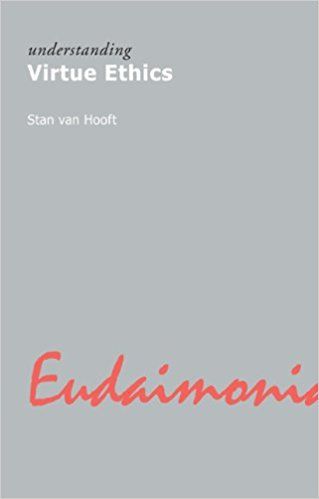
Philosophers have increasingly advocated a virtue-based ethics that challenges traditional moral theories founded on moral obligation and delineation of right or wrong in given situations. Stan van Hooft provides a broad overview of the history of virtue ethics from Aristotle to Nietzsche to the ideas of contemporary writers Ricoeur and Levinas. He explores the major themes of moral theory and shows how a virtue ethics approach differs from those of other traditions. Van Hooft considers how morally complex practical problems, such as abortion, euthanasia, and integrity in politics, might be approached from a virtue perspective and addresses the charges of relativism and egoism that are often mounted against virtue ethics, arguing that virtue ethics is highly relevant to our understanding of the moral dimensions of professional roles.
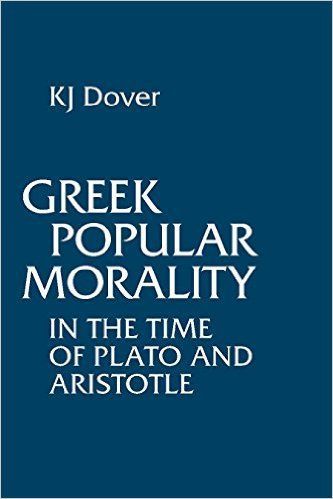
In ancient Greece, as today, popular moral attitudes differed importantly from the theories of moral philosophers. While for the latter we have Plato and Aristotle, this insightful work explores the everyday moral conceptions to which orators appealed in court and political assemblies, and which were reflected in non-philosophical literature. Oratory and comedy provide the primary testimony, and reference is also made to Sophocles, Euripides, Herodotus, Thucydides, Xenophon, and other sources. The selection of topics, the contrasts and comparisons with modern religious, social and legal principles, and accessibility to the non-specialist ensure the work’s appeal to all readers with an interest in ancient Greek culture and social life.
ما از اخلاق چه انتظاری داریم؟ این سوال شاید تاحدودی برای عموم مردم و یا متخصصان این رشته قابل پاسخ باشد؛ اینکه خوب بودن را به ما بیاموزد و در تنظیم روابط فردی م...

جشن کتاب تهران به ایستگاه سی و یکم رسیده است. حال و احوال نشر کتاب خوب نیست و باید فرهنگدوستان را به خرید و هدیه دادن کتاب ترغیب نمود. خانه اخلاقپژوهان جوان ب...

بنیاد کتابهای اخلاق اسلامی عمدتا پالایش جان از آلودگیها و آراستن آن به زیباییها است. اندیشه محوری این قبیل کتابها آن است که انسان فعلی آنی نیست که باید باشد...

-
0 Comments