Notice: تابع WP_Block_Type_Registry::register به طورنادرست فراخوانی شد. نامهای نوع بلوک نباید حروف بزرگ داشته باشند. لطفاً برای اطلاعات بیشتر، اشکال زدایی در وردپرس را مشاهده کنید. (این پیام در نگارش 5.0.0 افزوده شده است.) in /home/ethicsho/public_html/wp-includes/functions.php on line 5313
Warning: Use of undefined constant TDC_PATH_LEGACY - assumed 'TDC_PATH_LEGACY' (this will throw an Error in a future version of PHP) in /home/ethicsho/public_html/wp-content/plugins/td-composer/td-composer.php on line 109
Warning: Use of undefined constant TDSP_THEME_PATH - assumed 'TDSP_THEME_PATH' (this will throw an Error in a future version of PHP) in /home/ethicsho/public_html/wp-content/plugins/td-composer/td-composer.php on line 113 بایگانیهای 241 - صفحه 2 از 2 - خانه اخلاق پژوهان جوان Notice: Trying to access array offset on value of type bool in /home/ethicsho/public_html/wp-content/plugins/wp-ulike/inc/general-functions.php on line 807
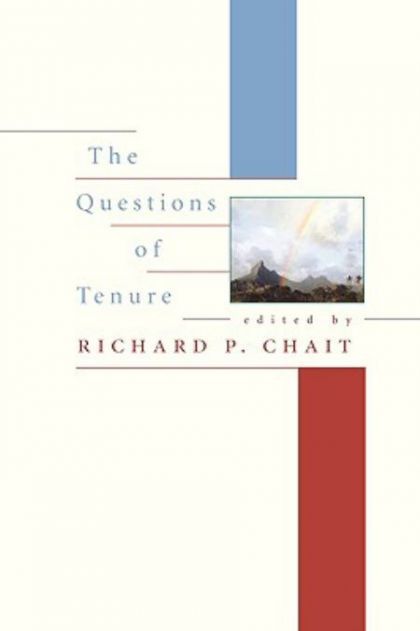
Tenure is the abortion issue of the academy, igniting arguments and inflaming near-religious passions. To some, tenure is essential to academic freedom and a magnet to recruit and retain top-flight faculty. To others, it is an impediment to professorial accountability and a constraint on institutional flexibility and finances. But beyond anecdote and opinion, what do we really know about how tenure works?In this unique book, Richard Chait and his colleagues offer the results of their research on key empirical questions. Are there circumstances under which faculty might voluntarily relinquish tenure? When might new faculty actually prefer non-tenure track positions? Does the absence of tenure mean the absence of shared governance? Why have some colleges abandoned tenure while others have adopted it? Answers to these and other questions come from careful studies of institutions that mirror the American academy: research universities and liberal arts colleges, including both highly selective and less prestigious schools.Lucid and straightforward, The Questions of Tenure offers vivid pictures of academic subcultures. Chait and his colleagues conclude that context counts so much that no single tenure system exists. Still, since no academic reward carries the cachet of tenure, few institutions will initiate significant changes without either powerful external pressures or persistent demands from new or disgruntled faculty.
What are ethical judgments about? And what is their relation to practice? How can ethical judgment aspire to objectivity? The past two decades have witnessed a resurgence of interest in metaethics, placing questions such as these about the nature and status of ethical judgment at the very center of contemporary moral philosophy. Moral Discourse and Practice: Some Philosophical Approaches is a unique anthology which collects important recent work, much of which is not easily available elsewhere, on core metaethical issues. Naturalist moral realism, once devastated by the charge of “naturalistic fallacy,” has been reinvigorated, as have versions of moral realism that insist on the discontinuity between ethics and science. Irrealist, expressivist programs have also developed with great subtlety, encouraging the thought that a noncognivist account may actually be able to explain ethical judgments’ aspirations to objectivity. Neo-Kantian constructivist theories have flourished as well, offering hope that morality can be grounded in a plausible conception of reasonable conduct. Together, the positions advanced in the essays collected here address these recent developments, constituting a rich array of approaches to contemporary moral philosophy’s most fundamental debates. An extensive introduction by Darwall, Gibbard, and Railton is also included, making this volume the most comprehensive and up-to-date work of its kind. Moral Discourse is ideally suited for use in courses in contemporary ethics, ethical theory, and metaethics.
This volume collects some of John McDowell’s influential papers, written at various times over the last two decades. One group of essays deals mainly with issues in the interpretation of the ethical writings of Aristotle and Plato. A second group of papers contains more direct treatments of questions in moral philosophy that arise naturally out of reflection on the Greek tradition. Some of the essays in the second group exploit Wittgensteinian ideas about reason in action, and they open into the third group of papers, which contains readings of central elements in Wittgenstein’s difficult later work. A fourth group deals with issues in the philosophy of mind and with questions about personal identity and the special character of first-personal thought and speech.
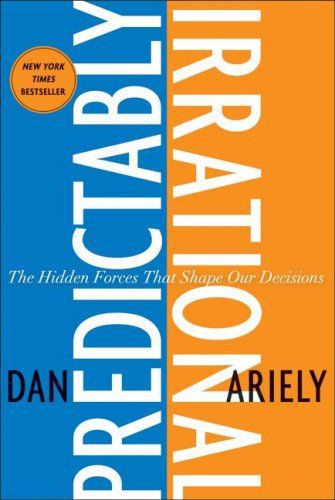
An evaluation of the sources of illogical decisions explores the reasons why irrational thought often overcomes level-headed practices, offering insight into the structural patterns that cause people to make the same mistakes repeatedly.
ما از اخلاق چه انتظاری داریم؟ این سوال شاید تاحدودی برای عموم مردم و یا متخصصان این رشته قابل پاسخ باشد؛ اینکه خوب بودن را به ما بیاموزد و در تنظیم روابط فردی م...

جشن کتاب تهران به ایستگاه سی و یکم رسیده است. حال و احوال نشر کتاب خوب نیست و باید فرهنگدوستان را به خرید و هدیه دادن کتاب ترغیب نمود. خانه اخلاقپژوهان جوان ب...

بنیاد کتابهای اخلاق اسلامی عمدتا پالایش جان از آلودگیها و آراستن آن به زیباییها است. اندیشه محوری این قبیل کتابها آن است که انسان فعلی آنی نیست که باید باشد...

-
0 Comments