Notice: تابع WP_Block_Type_Registry::register به طورنادرست فراخوانی شد. نامهای نوع بلوک نباید حروف بزرگ داشته باشند. لطفاً برای اطلاعات بیشتر، اشکال زدایی در وردپرس را مشاهده کنید. (این پیام در نگارش 5.0.0 افزوده شده است.) in /home/ethicsho/public_html/wp-includes/functions.php on line 5313
Warning: Use of undefined constant TDC_PATH_LEGACY - assumed 'TDC_PATH_LEGACY' (this will throw an Error in a future version of PHP) in /home/ethicsho/public_html/wp-content/plugins/td-composer/td-composer.php on line 109
Warning: Use of undefined constant TDSP_THEME_PATH - assumed 'TDSP_THEME_PATH' (this will throw an Error in a future version of PHP) in /home/ethicsho/public_html/wp-content/plugins/td-composer/td-composer.php on line 113 بایگانیهای Wesley G. Pippert - خانه اخلاق پژوهان جوان Notice: Trying to access array offset on value of type bool in /home/ethicsho/public_html/wp-content/plugins/wp-ulike/inc/general-functions.php on line 807
This encyclopedia considers both the professional ethics of science and technology, and the social, ethical, and political issues raised by science and technology.
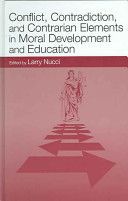
Publisher description: The premise of this book is that individuals and societies have an inexorable urge to morally develop by challenging the assumptions of the previous generation in terms of what is right and wrong. The focus is on the nature and functional value of conflicts and challenges to the dominant moral and social values framework. Through this analysis, individuals develop moral character through conflict with their local authority figures, including parents. The moral structure of societies evolves through intergenerational challenges to and contradictions with the dominant social order. The book is divided into three parts to help frame this discussion. Part I directly takes up the issue of resistance as it occurs at a cultural level, andthe implications of such resistance for moral education and socialization. Part II explores the normative forms of adolescent resistance and contrarian behavior that vex parents and teachers alike. Part III brings back the issue of societal structure andculture to illustrate how negative features of society–such as racial discrimination and economic disparity–can feed into the construction of negative moral identity in youth posing challenges to moral education.
Some argue that atheism must be false, since without God, no values are possible, and thus “everything is permitted.” Walter Sinnott-Armstrong argues that God is not only not essential to morality, but that our moral behavior should be utterly independent of religion. He attacks several core ideas: that atheists are inherently immoral people; that any society will sink into chaos if it is becomes too secular; that without morality, we have no reason to be moral; that absolute moral standards require the existence of God; and that without religion, we simply couldn’t know what is wrong and what is right. Sinnott-Armstrong brings to bear convincing examples and data, as well as a lucid, elegant, and easy to understand writing style. This book should fit well with the debates raging over issues like evolution and intelligent design, atheism, and religion and public life as an example of a pithy, tightly-constructed argument on an issue of great social importance.
Information technology is an integral part of the practices and institutions of post-industrial society. It is also a source of hard moral questions and thus is both a probing and relevant area for moral theory. In this volume, an international team of philosophers sheds light on many of the ethical issues arising from information technology, including informational privacy, digital divide and equal access, e-trust and tele-democracy. Collectively, these essays demonstrate how accounts of equality and justice, property and privacy benefit from taking into account how information technology has shaped our social and epistemic practices and our moral experiences. Information technology changes the way that we look at the world and deal with one another. It calls, therefore, for a re-examination of notions such as friendship, care, commitment and trust.
ما از اخلاق چه انتظاری داریم؟ این سوال شاید تاحدودی برای عموم مردم و یا متخصصان این رشته قابل پاسخ باشد؛ اینکه خوب بودن را به ما بیاموزد و در تنظیم روابط فردی م...

جشن کتاب تهران به ایستگاه سی و یکم رسیده است. حال و احوال نشر کتاب خوب نیست و باید فرهنگدوستان را به خرید و هدیه دادن کتاب ترغیب نمود. خانه اخلاقپژوهان جوان ب...

بنیاد کتابهای اخلاق اسلامی عمدتا پالایش جان از آلودگیها و آراستن آن به زیباییها است. اندیشه محوری این قبیل کتابها آن است که انسان فعلی آنی نیست که باید باشد...

-
0 Comments