Notice: تابع WP_Block_Type_Registry::register به طورنادرست فراخوانی شد. نامهای نوع بلوک نباید حروف بزرگ داشته باشند. لطفاً برای اطلاعات بیشتر، اشکال زدایی در وردپرس را مشاهده کنید. (این پیام در نگارش 5.0.0 افزوده شده است.) in /home/ethicsho/public_html/wp-includes/functions.php on line 5313
Warning: Use of undefined constant TDC_PATH_LEGACY - assumed 'TDC_PATH_LEGACY' (this will throw an Error in a future version of PHP) in /home/ethicsho/public_html/wp-content/plugins/td-composer/td-composer.php on line 109
Warning: Use of undefined constant TDSP_THEME_PATH - assumed 'TDSP_THEME_PATH' (this will throw an Error in a future version of PHP) in /home/ethicsho/public_html/wp-content/plugins/td-composer/td-composer.php on line 113 بایگانیهای Professor Department of Philosophy Duke University David B.Wong and Chair - خانه اخلاق پژوهان جوان Notice: Trying to access array offset on value of type bool in /home/ethicsho/public_html/wp-content/plugins/wp-ulike/inc/general-functions.php on line 807
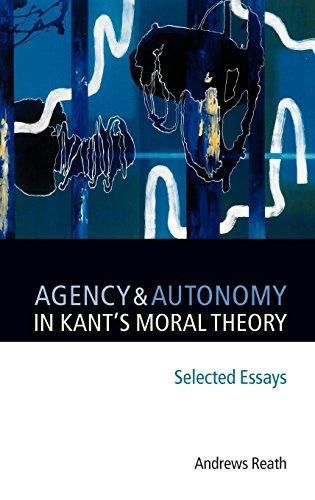
Andrews Reath presents a selection of his best essays on various features of Kant’s moral psychology and moral theory, with particular emphasis on his conception of rational agency and his conception of autonomy. Together the essays articulate Reath’s original approach to Kant’s views about human autonomy, which explains Kant’s belief that objective moral requirements are based on principles we choose for ourselves. With two new papers, and revised versions of several others, the volume will be of great interest to all students and scholars of Kant and of moral philosophy.
How can the one influence the many? From posing seminal questions about what comprises a human individual, to asking whether human evolution is alive and well, favoring individuals or the species, this work is a daring, up-to-the-minute overview of an urgent, multidisciplinary premise. It explores the extent to which human history provides empirical evidence for the capacity of an individual to exert meaningful suasion over their species, and asks: Can an individual influence the survival of the human species and the planet? If there are to be cultures of transformation dedicated to seeing us all through the Sixth Extinction Spasm, the Anthropocene, inflicting as little biological havoc as possible, what might such orientations—a collective, widespread biophilia, or reverence for nature—look like? In this powerful work, with a combination of data and direct observation, the authors invite readers to explore how such transformations might resonate throughout the human community; in what ways a person might overcome the seemingly insurmountable environmental tumult our species has unleashed; the clear and salient motives, ethics, aspirations and pragmatic idealism he/she might mirror and embrace in order to effect a profound difference—at the individual level—for all of life and life’s myriad habitats. Chapters illuminate an ambitiously broad digest of research from two-dozen disciplines. Those include ecodynamics, biosemiotics, neural plasticity, anthropology, paleontology and the history of science, among others. All converge upon a set of ethics-based scenarios for mitigating ecological damage to ourselves and other life forms. This highly readable and tightly woven treatise speaks to scientists, students and all those who are concerned about ethical activism and the future of the biosphere. Michael Charles Tobias and Jane Gray Morrison are ecological philosophers and animal liberation activists who have worked for decades to help enrich our understanding of ecosystem dynamics and humanity’s ambiguous presence amid that great orchestra that is nature.
Legal ethics is often described as an oxymoron or contradiction in terms – lay people find the concept amusing and lawyers can find ethics impossible. The best lawyers are those who have come to grips with their own values and actively seek to improve their ethical practise. This book is designed to help law students and new lawyers understand and modify their own ethical priorities, not just because this knowledge makes it easier to practise law and earn an income, but because self-aware, ethical legal practice is right and feels better than anything else. Packed with case studies of ethical scandals and dilemmas from real life legal practice in Australia, each chapter delves into the most difficult issues lawyers face. From lawyers’ part in corporate fraud to the ethics of time-based billing, Parker and Evans expose the values that underlie current practice and set out the alternatives ethical lawyers might follow.
Examining the emergence and development of legal positivism as a distinctive and particularly powerful tradition in legal thought, this book places particular emphasis on its relationship to traditional understandings of the common law and on forms of idealism. The focus throughout is on the consequences positivism holds for the idea of the rule of law and of law’s role in maintaining (and perhaps creating) conditions of stable social order. The book examines the shifts in thinking about the rule of law and the wider significance of law, brought about by changing conceptions of the nature of law: from an understanding of law in which the primary focus is on rights, to an articulation of the legal order as a body of deliberately posited rules and, finally, to an understanding of law as a corpus of systematic rules and principles, underpinned by an abiding concern with individual rights.
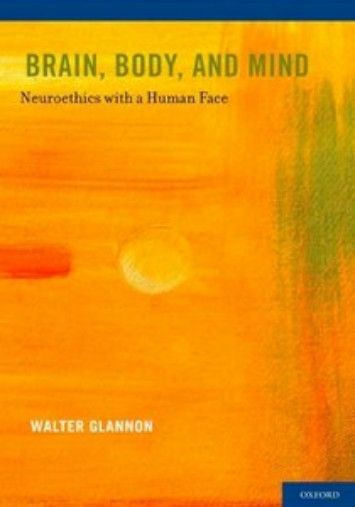
This book is a discussion of the most timely and contentious issues in the two branches of neuroethics: the neuroscience of ethics; and the ethics of neuroscience. Drawing upon recent work in psychiatry, neurology, and neurosurgery, it develops a phenomenologically inspired theory of neuroscience to explain the brain-mind relation. The idea that the mind is shaped not just by the brain but also by the body and how the human subject interacts with the environment has significant implications for free will, moral responsibility, and moral justification of actions. It also provides a better understanding of how different interventions in the brain can benefit or harm us. In addition, the book discusses brain imaging techniques to diagnose altered states of consciousness, deep-brain stimulation to treat neuropsychiatric disorders, and restorative neurosurgery for neurodegenerative diseases. It examines the medical and ethical trade-offs of these interventions in the brain when they produce both positive and negative physical and psychological effects, and how these trade-offs shape decisions by physicians and patients about whether to provide and undergo them.
ما از اخلاق چه انتظاری داریم؟ این سوال شاید تاحدودی برای عموم مردم و یا متخصصان این رشته قابل پاسخ باشد؛ اینکه خوب بودن را به ما بیاموزد و در تنظیم روابط فردی م...

جشن کتاب تهران به ایستگاه سی و یکم رسیده است. حال و احوال نشر کتاب خوب نیست و باید فرهنگدوستان را به خرید و هدیه دادن کتاب ترغیب نمود. خانه اخلاقپژوهان جوان ب...

بنیاد کتابهای اخلاق اسلامی عمدتا پالایش جان از آلودگیها و آراستن آن به زیباییها است. اندیشه محوری این قبیل کتابها آن است که انسان فعلی آنی نیست که باید باشد...

-
0 Comments