Notice: تابع WP_Block_Type_Registry::register به طورنادرست فراخوانی شد. نامهای نوع بلوک نباید حروف بزرگ داشته باشند. لطفاً برای اطلاعات بیشتر، اشکال زدایی در وردپرس را مشاهده کنید. (این پیام در نگارش 5.0.0 افزوده شده است.) in /home/ethicsho/public_html/wp-includes/functions.php on line 5313
Warning: Use of undefined constant TDC_PATH_LEGACY - assumed 'TDC_PATH_LEGACY' (this will throw an Error in a future version of PHP) in /home/ethicsho/public_html/wp-content/plugins/td-composer/td-composer.php on line 109
Warning: Use of undefined constant TDSP_THEME_PATH - assumed 'TDSP_THEME_PATH' (this will throw an Error in a future version of PHP) in /home/ethicsho/public_html/wp-content/plugins/td-composer/td-composer.php on line 113 بایگانیهای Martin Shaw - خانه اخلاق پژوهان جوان Notice: Trying to access array offset on value of type bool in /home/ethicsho/public_html/wp-content/plugins/wp-ulike/inc/general-functions.php on line 807
Oxford Studies in Metaethics is the only publication devoted exclusively to original philosophical work in the foundations of ethics. It provides an annual selection of much of the best new scholarship being done in the field. Its broad purview includes work being done at the intersection of ethical theory and metaphysics, epistemology, philosophy of language, and philosophy of mind. The essays included in the series provide an excellent basis for understanding recent developments in the field; those who would like to acquaint themselves with the current state of play in metaethics would do well to start here.
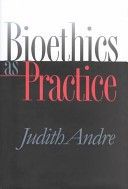
Andre examines the field of bioethics from an insider’s point of view, exploring the questions that have dominated the field and encouraging students and practitioners to move beyond end-of-life issues to address issues in the routine practice of medicine.
Conceived originally as a serious presentation of the development of philosophy for Catholic seminary students, Frederick Copleston’s nine-volume “A History Of Philosophy” has journeyed far beyond the modest purpose of its author to universal acclaim as the best history of philosophy in English.
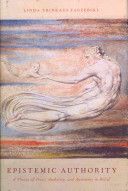
In this book Linda Trinkaus Zagzebski gives an extended argument that the self-reflective person is committed to belief on authority. Epistemic authority is compatible with autonomy, but epistemic self-reliance is incoherent. She argues that epistemic and emotional self-trust are rational and inescapable, that consistent self-trust commits us to trust in others, and that among those we are committed to trusting are some whom we ought to treat as epistemic authorities, modeled on the well-known principles of authority of Joseph Raz. Some of these authorities can be in the moral and religious domains. Why have people for thousands of years accepted epistemic authority in religious communities? A religious community’s justification for authority is typically based on beliefs unique to that community. Unfortunately, that often means that from the community’s perspective, its justifying claims are insulated from the outside; whereas from an outside perspective, epistemic authority in the community appears unjustified. But as Zagzebski’s argument shows, an individual’s acceptance of authority in her community can be justified by principles that outsiders accept, and the particular beliefs justified by that authority are not immune to external critiques. Why have people for thousands of years accepted epistemic authority in religious communities? A religious community’s justification for authority is typically based on beliefs unique to that community. Unfortunately, that often means that from the community’s perspective, its justifying claims are insulated from the outside; whereas from an outside perspective, epistemic authority in the community appears unjustified. But as Zagzebski’s argument shows, an individual’s acceptance of authority in her community can be justified by principles that outsiders accept, and the particular beliefs justified by that authority are not immune to external critiques.
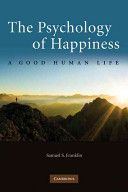
When Thomas Jefferson placed “the pursuit of happiness” along with life and liberty in The Declaration of Independence he was most likely referring to Aristotle’s concept of happiness, or eudaimonia. Eudaimonia is not about good feelings but rather the fulfillment of human potentials. Fulfillment is made possible by virtue; the moderation of desire and emotion by reason. The Psychology of Happiness is the first book to bring together psychological, philosophical, and physiological theory and research in support of Aristotle’s view. It examines the similarity between Aristotle’s concept of virtue and modern cognitive theories of emotion. It discusses the discovery of human potentials, the development of virtue and its neurological basis, the mistaken idea that fulfillment is selfish, and several other issues related to the pursuit of a good human life.
ما از اخلاق چه انتظاری داریم؟ این سوال شاید تاحدودی برای عموم مردم و یا متخصصان این رشته قابل پاسخ باشد؛ اینکه خوب بودن را به ما بیاموزد و در تنظیم روابط فردی م...

جشن کتاب تهران به ایستگاه سی و یکم رسیده است. حال و احوال نشر کتاب خوب نیست و باید فرهنگدوستان را به خرید و هدیه دادن کتاب ترغیب نمود. خانه اخلاقپژوهان جوان ب...

بنیاد کتابهای اخلاق اسلامی عمدتا پالایش جان از آلودگیها و آراستن آن به زیباییها است. اندیشه محوری این قبیل کتابها آن است که انسان فعلی آنی نیست که باید باشد...

-
0 Comments