Notice: تابع WP_Block_Type_Registry::register به طورنادرست فراخوانی شد. نامهای نوع بلوک نباید حروف بزرگ داشته باشند. لطفاً برای اطلاعات بیشتر، اشکال زدایی در وردپرس را مشاهده کنید. (این پیام در نگارش 5.0.0 افزوده شده است.) in /home/ethicsho/public_html/wp-includes/functions.php on line 5313
Warning: Use of undefined constant TDC_PATH_LEGACY - assumed 'TDC_PATH_LEGACY' (this will throw an Error in a future version of PHP) in /home/ethicsho/public_html/wp-content/plugins/td-composer/td-composer.php on line 109
Warning: Use of undefined constant TDSP_THEME_PATH - assumed 'TDSP_THEME_PATH' (this will throw an Error in a future version of PHP) in /home/ethicsho/public_html/wp-content/plugins/td-composer/td-composer.php on line 113 بایگانیهای Bruce E. Johansen - خانه اخلاق پژوهان جوان Notice: Trying to access array offset on value of type bool in /home/ethicsho/public_html/wp-content/plugins/wp-ulike/inc/general-functions.php on line 807
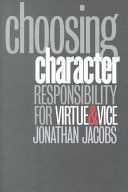
Are there key respects in which character and character defects are voluntary? Can agents with serious vices be rational agents? Jonathan Jacobs answers in the affirmative. Moral character is shaped through voluntary habits, including the ways we habituate ourselves, Jacobs believes. Just as individuals can voluntarily lead unhappy lives without making unhappiness an end, so can they degrade their ethical characters through voluntary action that does not have establishment of vice as its end. Choosing Character presents an account of ethical disability, expanding the domain of responsibility and explicating the role of character in ethical cognition.Jacobs contends that agents become ethically disabled voluntarily when their habits impair their ability to properly appreciate ethical considerations. Such agents are rational, responsible individuals who are yet incapable of virtuous action. The view develops and modifies Aristotelian claims concerning the fixity of character. Jacobs’ interpretation is developed in contrast to the overlooked work of Maimonides, who also used Aristotelian resources but argued for the possibility of character change. The notion of ethical disability has profound ramifications for ethics and for current debates about blame and punishment.
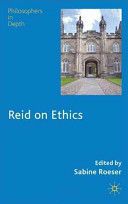
This is the first edited collection to bring together classic pieces and new work by leading scholars of Thomas Reid. The contributors explore key elements of Reid’s moral theory in an organised and thematic way, offering a balanced and broad ranging volume.
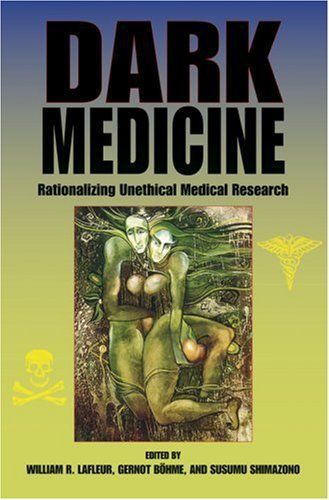
The trial of the “German doctors” exposed atrocities of Nazi medical science and led to the Nuremberg Code governing human experimentation. In Japan, Unit 731 carried out hideous experiments on captured Chinese and downed American pilots. In the United States, stories linger of biological experimentation during the Korean War. This collection of essays looks at the dark medical research conducted during and after World War II. Contributors describe this research, how it was brought to light, and the rationalizations of those who perpetrated and benefited from it.
What was the ethical perspective of Modernist literature? How did Yeats, Eliot, Joyce, Woolf, and Beckett represent ethical issues and develop their moral ideas? Lee Oser argues that thinking about human nature restores a perspective on modernist literature that has been lost. He offers detailed discussions of the relationship between ethics and aesthetics to illuminate close readings of major modernist texts. For Oser, the reception of Aristotle is crucial to the modernist moral project, which he defines as the effort to transform human nature through the use of art. Exploring the origins of that project, its success in modernism, its critical heirs, and its possible future, The Ethics of Modernism brings a fresh perspective on modernist literature and its interaction with ethical strands of philosophy. It offers many new insights to scholars of twentieth-century literature as well as intellectual historians.
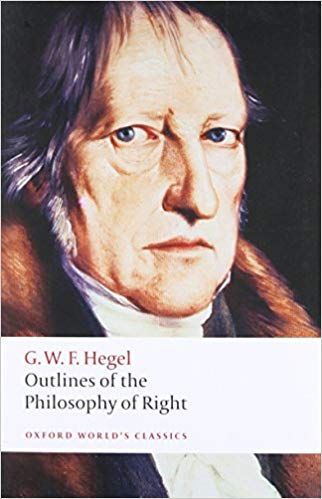
Hegel’s Outlines of the Philosophy of Right is one of the greatest works of moral, social, and political philosophy. It contains significant ideas on justice, moral responsibility, family life, economic activity, and the political structure of the state–all matters of profound interest to us today. Hegel shows that genuine human freedom does not consist in doing whatever we please, but involves living with others in accordance with publicly recognized rights and laws. Hegel demonstrates that institutions such as the family and the state provide the context in which individuals can flourish and enjoy full freedom. He also demonstrates that misunderstanding the true nature of freedom can lead to crime, evil, and poverty. His penetrating analysis of the causes of poverty in modern civil society was to be a great influence on Karl Marx. Hegel’s study remains one of the most subtle and perceptive accounts of freedom that we possess, and this newly revised translation makes it more accessible than ever. This edition incorporates Hegel’s lecture notes within the text and provides a glossary of key terms, up-to-date bibliography, and invaluable notes.Stephen Houlgate is Professor of Philosophy, University of Warwick and is the author of Hegel, Nietzsche and the Criticism of Metaphysics; An Introduction to Hegel: Freedom, Truth and History; and The Opening of Hegel’s Logic: From Being to Infinity.
ما از اخلاق چه انتظاری داریم؟ این سوال شاید تاحدودی برای عموم مردم و یا متخصصان این رشته قابل پاسخ باشد؛ اینکه خوب بودن را به ما بیاموزد و در تنظیم روابط فردی م...

جشن کتاب تهران به ایستگاه سی و یکم رسیده است. حال و احوال نشر کتاب خوب نیست و باید فرهنگدوستان را به خرید و هدیه دادن کتاب ترغیب نمود. خانه اخلاقپژوهان جوان ب...

بنیاد کتابهای اخلاق اسلامی عمدتا پالایش جان از آلودگیها و آراستن آن به زیباییها است. اندیشه محوری این قبیل کتابها آن است که انسان فعلی آنی نیست که باید باشد...

-
0 Comments