Notice: تابع WP_Block_Type_Registry::register به طورنادرست فراخوانی شد. نامهای نوع بلوک نباید حروف بزرگ داشته باشند. لطفاً برای اطلاعات بیشتر، اشکال زدایی در وردپرس را مشاهده کنید. (این پیام در نگارش 5.0.0 افزوده شده است.) in /home/ethicsho/public_html/wp-includes/functions.php on line 5313
Warning: Use of undefined constant TDC_PATH_LEGACY - assumed 'TDC_PATH_LEGACY' (this will throw an Error in a future version of PHP) in /home/ethicsho/public_html/wp-content/plugins/td-composer/td-composer.php on line 109
Warning: Use of undefined constant TDSP_THEME_PATH - assumed 'TDSP_THEME_PATH' (this will throw an Error in a future version of PHP) in /home/ethicsho/public_html/wp-content/plugins/td-composer/td-composer.php on line 113 بایگانیهای Aristotle - صفحه 2 از 2 - خانه اخلاق پژوهان جوان Notice: Trying to access array offset on value of type bool in /home/ethicsho/public_html/wp-content/plugins/wp-ulike/inc/general-functions.php on line 807
Death is the one ineradicable fact of being human. How we think about it is central to our understanding of and engagement with the world. Our human and cultural construction of death and dying shapes the structure and purpose of our institutions and has underpinned the work of scholars and philosophers down the ages. In its organization and values, its form and content, its construction of the past and of the future, the relationship between law and mortality remains one of the most perplexing and under-theorized aspects of the legal system, whether dealing with AIDS, euthanasia, sadomasochism, “mercy killings,” murder, the judicial review of the right to die, or the criminal death sentence. This timely and important collection brings together scholars from Australia, Britain and the United States to reconsider the relationship between death and the law, in ways that will be of particular interest to post-structural philosophers and legal theorists and to cultural theorists and practitioners in a much wider field, for whom there is nothing more certain than the existence of “death and taxes.” Contributors, and their university or col
Much of the intense current interest in collective memory concerns the politics of memory. In a book that asks, “Is there an ethics of memory?” Avishai Margalit addresses a separate, perhaps more pressing, set of concerns. The idea he pursues is that the past, connecting people to each other, makes possible the kinds of “thick” relations we can call truly ethical. Thick relations, he argues, are those that we have with family and friends, lovers and neighbors, our tribe and our nation–and they are all dependent on shared memories. But we also have “thin” relations with total strangers, people with whom we have nothing in common except our common humanity. A central idea of the ethics of memory is that when radical evil attacks our shared humanity, we ought as human beings to remember the victims. Margalit’s work offers a philosophy for our time, when, in the wake of overwhelming atrocities, memory can seem more crippling than liberating, a force more for revenge than for reconciliation. Morally powerful, deeply learned, and elegantly written, The Ethics of Memory draws on the resources of millennia of Western philosophy and religion to provide us with healing ideas that will engage all of us who care about the nature of our relations to others.
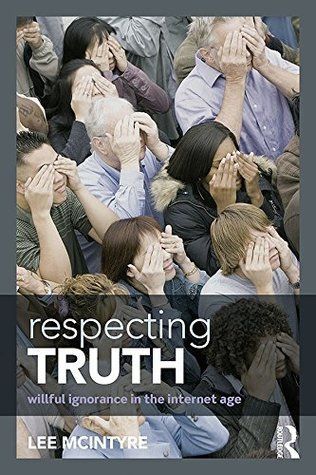
Throughout history, humans have always indulged in certain irrationalities and held some fairly wrong-headed beliefs. But in his newest book, philosopher Lee McIntyre shows how we’ve now reached a watershed moment for ignorance in the modern era, due to the volume of misinformation, the speed with which it can be digitally disseminated, and the savvy exploitation of our cognitive weaknesses by those who wish to advance their ideological agendas. In Respecting Truth: Willful Ignorance in the Internet Age, McIntyre issues a call to fight back against this slide into the witless abyss. In the tradition of Galileo, the author champions the importance of using tested scientific methods for arriving at true beliefs, and shows how our future survival is dependent on a more widespread, reasonable world.
ما از اخلاق چه انتظاری داریم؟ این سوال شاید تاحدودی برای عموم مردم و یا متخصصان این رشته قابل پاسخ باشد؛ اینکه خوب بودن را به ما بیاموزد و در تنظیم روابط فردی م...

جشن کتاب تهران به ایستگاه سی و یکم رسیده است. حال و احوال نشر کتاب خوب نیست و باید فرهنگدوستان را به خرید و هدیه دادن کتاب ترغیب نمود. خانه اخلاقپژوهان جوان ب...

بنیاد کتابهای اخلاق اسلامی عمدتا پالایش جان از آلودگیها و آراستن آن به زیباییها است. اندیشه محوری این قبیل کتابها آن است که انسان فعلی آنی نیست که باید باشد...

-
0 Comments