Notice: تابع WP_Block_Type_Registry::register به طورنادرست فراخوانی شد. نامهای نوع بلوک نباید حروف بزرگ داشته باشند. لطفاً برای اطلاعات بیشتر، اشکال زدایی در وردپرس را مشاهده کنید. (این پیام در نگارش 5.0.0 افزوده شده است.) in /home/ethicsho/public_html/wp-includes/functions.php on line 5313
Warning: Use of undefined constant TDC_PATH_LEGACY - assumed 'TDC_PATH_LEGACY' (this will throw an Error in a future version of PHP) in /home/ethicsho/public_html/wp-content/plugins/td-composer/td-composer.php on line 109
Warning: Use of undefined constant TDSP_THEME_PATH - assumed 'TDSP_THEME_PATH' (this will throw an Error in a future version of PHP) in /home/ethicsho/public_html/wp-content/plugins/td-composer/td-composer.php on line 113 بایگانیهای Virtue Epistemology - خانه اخلاق پژوهان جوان Notice: Trying to access array offset on value of type bool in /home/ethicsho/public_html/wp-content/plugins/wp-ulike/inc/general-functions.php on line 807
Mark Sagoff draws on the last twenty years of debate over the foundations of environmentalism in this comprehensive revision of The Economy of the Earth. Posing questions pertinent to consumption, cost-benefit analysis, the normative implications of neo-Darwinism, the role of the natural in national history, and the centrality of the concept of place in environmental ethics, he analyzes social policy in relation to the environment, pollution, the workplace, and public safely and health. Sagoff distinguishes ethical from economic questions and explains which kinds of concepts, arguments, and processes are appropriate to each.
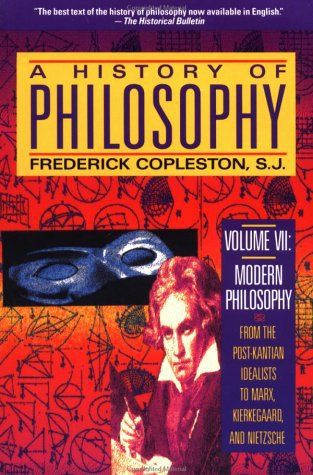
Conceived originally as a serious presentation of the development of philosophy for Catholic seminary students, Frederick Copleston’s nine-volumeA History Of Philosophyhas journeyed far beyond the modest purpose of its author to universal acclaim as the best history of philosophy in English.
Aquinas, Aristotle, and the Promise of the Common Good claims that contemporary theory and practice have much to gain from engaging Aquinas’s normative concept of the common good and his way of reconciling religion, philosophy, and politics. Examining the relationship between personal and common goods, and the relation of virtue and law to both, Mary M. Keys shows why Aquinas should be read in addition to Aristotle on these perennial questions. She focuses on Aquinas’s Commentaries as mediating statements between Aristotle’s Nicomachean Ethics and Politics and, Aquinas’s own Summa Theologiae, showing how this serves as the missing link for grasping Aquinas’s understanding of Aristotle’s thought, in relation to Aquinas’s own considered views. Keys argues provocatively that Aquinas’s Christian faith opens up new panoramas and possibilities for philosophical inquiry and insights into ethics and politics. Her book shows how religious faith can assist sound philosophical inquiry into the foundation and proper purposes of society and politics.
ما از اخلاق چه انتظاری داریم؟ این سوال شاید تاحدودی برای عموم مردم و یا متخصصان این رشته قابل پاسخ باشد؛ اینکه خوب بودن را به ما بیاموزد و در تنظیم روابط فردی م...

جشن کتاب تهران به ایستگاه سی و یکم رسیده است. حال و احوال نشر کتاب خوب نیست و باید فرهنگدوستان را به خرید و هدیه دادن کتاب ترغیب نمود. خانه اخلاقپژوهان جوان ب...

بنیاد کتابهای اخلاق اسلامی عمدتا پالایش جان از آلودگیها و آراستن آن به زیباییها است. اندیشه محوری این قبیل کتابها آن است که انسان فعلی آنی نیست که باید باشد...

-
0 Comments