Notice: تابع WP_Block_Type_Registry::register به طورنادرست فراخوانی شد. نامهای نوع بلوک نباید حروف بزرگ داشته باشند. لطفاً برای اطلاعات بیشتر، اشکال زدایی در وردپرس را مشاهده کنید. (این پیام در نگارش 5.0.0 افزوده شده است.) in /home/ethicsho/public_html/wp-includes/functions.php on line 5313
Warning: Use of undefined constant TDC_PATH_LEGACY - assumed 'TDC_PATH_LEGACY' (this will throw an Error in a future version of PHP) in /home/ethicsho/public_html/wp-content/plugins/td-composer/td-composer.php on line 109
Warning: Use of undefined constant TDSP_THEME_PATH - assumed 'TDSP_THEME_PATH' (this will throw an Error in a future version of PHP) in /home/ethicsho/public_html/wp-content/plugins/td-composer/td-composer.php on line 113 بایگانیهای Technology - Social Aspects - خانه اخلاق پژوهان جوان Notice: Trying to access array offset on value of type bool in /home/ethicsho/public_html/wp-content/plugins/wp-ulike/inc/general-functions.php on line 807
Bryan W. Van Norden examines early Confucianism as a form of virtue ethics and Mohism, an anti-Confucian movement, as a version of consequentialism. The philosophical methodology is analytic, in that the emphasis is on clear exegesis of the texts and a critical examination of the philosophical arguments proposed by each side. Van Norden shows that Confucianism, while similar to Aristotelianism in being a form of virtue ethics, offers different conceptions of ‘the good life’, the virtues, human nature, and ethical cultivation. Mohism is akin to Western utilitarianism in being a form of consequentialism, but distinctive in its conception of the relevant consequences and in its specific thought-experiments and state-of-nature arguments. Van Norden makes use of the best current research on Chinese history, archaeology, and philology. His text is accessible to philosophers with no previous knowledge of Chinese culture and to Sinologists with no background in philosophy.
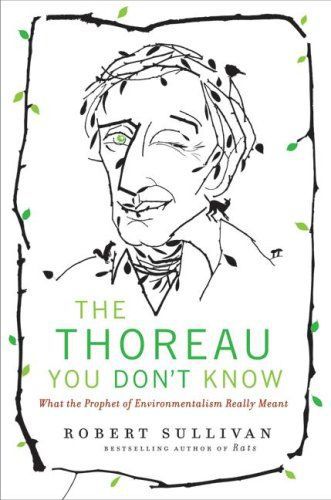
“Thoreau is one of those authors that readers think they know, even if they don’t. He’s the solitary curmudgeon with the shack out in the woods, the mystic worshipping solemnly in the quiet church of nature. He’s our national Natural Man, the prophet of environmentalism. But here Robert Sullivan–who himself has been called an ‘urban Thoreau’ (New York Times Book Review) –presents the Thoreau you don’t know: the activist, the organizer, the gregarious adventurer, the guy who likes to go camping with friends (even if they sometimes accidentally burn the woods down). Sullivan shows us not a lonely eccentric but a man in his growing village, and argues that Walden was a book intended to revive America, a communal work forever pigeonholed as a reclusive one–and that this misreading is at the heart of our troubled relationship with the environment today.”–From publisher description.
Bioscience ethics facilitates free and accurate information transfer from applied science to applied bioethics. Its major elements are: increased understanding of biological systems, responsible use of technology, and attuning ethnocentric debates to new scientific insights. Pioneered by Irina Pollard in 1994, bioscience ethics has become an internationally recognized discipline, interfacing science and bioethics within professional perspectives such as medical, legal, bio-engineering, and economics. Written for students and professionals alike, the fundamental feature of this book is its breadth, important because bioscience ethics interweaves many diverse subjects in the process of gathering specialist scientific knowledge for bioethical review. It contains chapters which embrace topics affecting human reproduction, end-of-life care and euthanasia, challenge human-dominated ecosystems, and review population growth, economic activity and warfare. A background section describes the evolution of ethical consciousness, explores the future, and proposes that the reworking of ethical boundaries can enhance mature decision-making in harmony with changing technology.
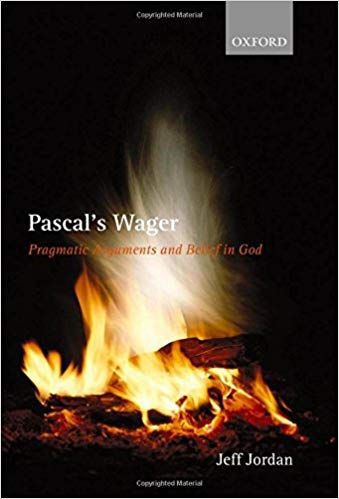
Is it reasonable to believe in God even in the absence of strong evidence that God exists? Pragmatic arguments for theism are designed to support belief even if one lacks evidence that theism is more likely than not. Jeff Jordan proposes that there is a sound version of the most well-known argument of this kind, Pascal’s Wager, and explores the issues involved – in epistemology, the ethics of belief, decision theory, and theology.
ما از اخلاق چه انتظاری داریم؟ این سوال شاید تاحدودی برای عموم مردم و یا متخصصان این رشته قابل پاسخ باشد؛ اینکه خوب بودن را به ما بیاموزد و در تنظیم روابط فردی م...

جشن کتاب تهران به ایستگاه سی و یکم رسیده است. حال و احوال نشر کتاب خوب نیست و باید فرهنگدوستان را به خرید و هدیه دادن کتاب ترغیب نمود. خانه اخلاقپژوهان جوان ب...

بنیاد کتابهای اخلاق اسلامی عمدتا پالایش جان از آلودگیها و آراستن آن به زیباییها است. اندیشه محوری این قبیل کتابها آن است که انسان فعلی آنی نیست که باید باشد...

-
0 Comments