Notice: تابع WP_Block_Type_Registry::register به طورنادرست فراخوانی شد. نامهای نوع بلوک نباید حروف بزرگ داشته باشند. لطفاً برای اطلاعات بیشتر، اشکال زدایی در وردپرس را مشاهده کنید. (این پیام در نگارش 5.0.0 افزوده شده است.) in /home/ethicsho/public_html/wp-includes/functions.php on line 5313
Warning: Use of undefined constant TDC_PATH_LEGACY - assumed 'TDC_PATH_LEGACY' (this will throw an Error in a future version of PHP) in /home/ethicsho/public_html/wp-content/plugins/td-composer/td-composer.php on line 109
Warning: Use of undefined constant TDSP_THEME_PATH - assumed 'TDSP_THEME_PATH' (this will throw an Error in a future version of PHP) in /home/ethicsho/public_html/wp-content/plugins/td-composer/td-composer.php on line 113 بایگانیهای Success In Business - خانه اخلاق پژوهان جوان Notice: Trying to access array offset on value of type bool in /home/ethicsho/public_html/wp-content/plugins/wp-ulike/inc/general-functions.php on line 807
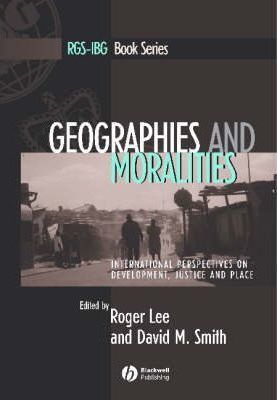
This topical book addresses contemporary concern with the interconnections between geography and morality. Covers both the geographical context of morality, and moralities in geographical methods and practices. Contains up-to-date case studies based on original research. Deals with controversial issues, such as problems of globalization, European integration, human rights in Nigeria, territorial conflict in Israel, and land reform in post-apartheid South Africa. The editors are well-published leading international authorities. The contributors are drawn from Australia, Eastern Europe, Israel, South Africa, the UK and the US.
When Did I Begin? investigates the theoretical, moral, and biological issues surrounding the debate over the beginning of human life. With the continuing controversy over the use of in vitro fertilization techniques and experimentation with human embryos, these issues have been forced into the arena of public debate. Following a detailed analysis of the history of the question, Reverend Ford argues that a human individual could not begin before definitive individuation occurs with the appearance of the primitive streak about two weeks after fertilization. This, he argues, is when it becomes finally known whether one or more human individuals are to form from a single egg. Thus, he questions the idea that the fertilized egg itself could be regarded as the beginning of the development of the human individual. The author also differs sharply, however, from those who would delay the beginning of the human person until the brain is formed, or until birth or the onset of conscious states.
Science of Love: The Wisdom of Well-Being examines the varied dimensions of love, and illuminates the new field of scholarship, the love-science symbiosis, for both scholars and general readers. It looks at religious, ethical, and philosophical issues, such as virtue, creation ex nihilo, progress, divine action, agape, values, religious practices, pacifism, sexuality, friendship, freedom, and marriage. It examines how these issues affect the ways in which people understand God, each other, and the world in which we live. Exploring these connections inspires creative hypotheses for how we might better comprehend both the sacred and the scientific.
In a series of original and perceptive philosophical essays — including those on “Birth and Death,” “Virtue and Human Flourishing,” ‘The Need to Sleep,” “Sex,” “Truth and Reality,” “Vanity and Destiny,” and “The Fear of Death” — the author reflects on the nature of morality and its relation to experience, on the individual mind and its place in philosophy, and on the strangeness of life itself. Drawing widely on literature and philosophy — from Nietzsche and Schopenhauer, Shakespeare, Dostoyevsky, George Eliot, Kafka, Jean-Paul Sartre, D. H. Lawrence, and others — Living Philosophy has some affinities with the philosophy practised by such figures as Martha Nussbaum, Stanley Cavell, and Peter Winch. Hamilton develops a way of approaching philosophy that opens up room not so much to answer the pressing questions of life as to deepen our sense of what those questions are.
ما از اخلاق چه انتظاری داریم؟ این سوال شاید تاحدودی برای عموم مردم و یا متخصصان این رشته قابل پاسخ باشد؛ اینکه خوب بودن را به ما بیاموزد و در تنظیم روابط فردی م...

جشن کتاب تهران به ایستگاه سی و یکم رسیده است. حال و احوال نشر کتاب خوب نیست و باید فرهنگدوستان را به خرید و هدیه دادن کتاب ترغیب نمود. خانه اخلاقپژوهان جوان ب...

بنیاد کتابهای اخلاق اسلامی عمدتا پالایش جان از آلودگیها و آراستن آن به زیباییها است. اندیشه محوری این قبیل کتابها آن است که انسان فعلی آنی نیست که باید باشد...

-
0 Comments