Notice: تابع WP_Block_Type_Registry::register به طورنادرست فراخوانی شد. نامهای نوع بلوک نباید حروف بزرگ داشته باشند. لطفاً برای اطلاعات بیشتر، اشکال زدایی در وردپرس را مشاهده کنید. (این پیام در نگارش 5.0.0 افزوده شده است.) in /home/ethicsho/public_html/wp-includes/functions.php on line 5313
Warning: Use of undefined constant TDC_PATH_LEGACY - assumed 'TDC_PATH_LEGACY' (this will throw an Error in a future version of PHP) in /home/ethicsho/public_html/wp-content/plugins/td-composer/td-composer.php on line 109
Warning: Use of undefined constant TDSP_THEME_PATH - assumed 'TDSP_THEME_PATH' (this will throw an Error in a future version of PHP) in /home/ethicsho/public_html/wp-content/plugins/td-composer/td-composer.php on line 113 بایگانیهای Physician-Patient Relations - Ethics - خانه اخلاق پژوهان جوان Notice: Trying to access array offset on value of type bool in /home/ethicsho/public_html/wp-content/plugins/wp-ulike/inc/general-functions.php on line 807
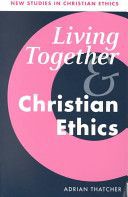
Living Together and Christian Ethics is the first positive, in-depth study of cohabitation outside marriage from a mainstream Christian theological perspective. The book retrieves the traditions of betrothal from the Bible and church history, and shows how these can transform Christian attitudes to living together before marriage. A crucial distinction is made between prenuptial cohabitation where marriage is intended, and nonnuptial cohabitation where it is avoided. Since betrothal was widely understood as a real beginning of marriage, the book argues for a complete pastoral, theological and liturgical renewal that reclaims the riches of forgotten Christian marital traditions and redeploys them in conveying the good news of the faith to women and men who are not yet married. The book takes issue with theologians who marginalize marriage, and suggests that the recognition of marital values can act as a helpful bridge between Christian teaching and people who are not formally married.
The second volume in applied ethics based on the distinguished Wayne Leys Memorial Lectureship Series. With guidelines from legal reasoning, Michael D. Bayles examines “Moral Theory and Application.” Abraham Edel questions “Ethics Applied Or Conduct Enlightened?” The late Warner A. Wick shows in “The Good Person and the Good Society: Some Ideals Foolish and Otherwise” that devotion to ideals need not be either fanaticism or foolishness. John Lachs contends that many public gains are purchased at the cost of individuals being manipulated in “Public Benefit, Private Costs.” James E. Childress in “Gift of Life…” considers ethical issues in obtaining and distributing human organs. Carl Wellman in “Terrorism and Moral Rights” argues that there can be no “rights-based justification” for anti-abortion terrorism.
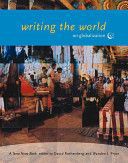
This collection of essays, memoirs, poems, stories, and artwork looks at globalization as a worldwide exchange of art and ideas. Writing the World focuses on the cultural realities of globalism—the opportunities it provides to learn from other cultures. This knowledge, argue David Rothenberg and Wandee Pryor in their introduction, can be power: “When all of us learn enough about our differences to respect the diversity that exists, we will be unable to pretend we are the same. We will never accept the old innocence and ignorance bred by oppression and exploitation.” For the contributors to Writing the World, to dream of the global village is to see the world not as a vast market but as a place of shared values and linked wonder.”It is time to listen to the many literate voices the world speaks,” say Rothenberg and Pryor. The voices of Writing the World range from Arundhati Roy on the “colonization of knowledge” in her essay “The Ladies Have Feelings, So… Shall We Leave It to the Experts?” to Naomi Klein’s meditation on fences, ownership, and property. They include Bill McKibben on women farmers in Bangladesh, Hannes Westberg’s account of being shot by Swedish police at a demonstration, James Barilla on invading and indigenous plant species in “The Aliens in the Garden,” and many other vivid, compelling, and provocative writings that celebrate—and illustrate—”the poetry of cultural contact.” Artists and photographers whose work appears in the book include Adam Clayman, Jenny Matthews, Richard Robinson, and Arpita Singh.
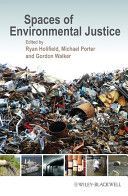
In this cutting-edge volume leading scholars examine a diverse range of environmental inequalities from around the world and introduce a pluralistic agenda for critical environmental justice research Spaces of Environmental Justice explores novel theoretical approaches and neglected spaces of inequality and shows how far the field has moved beyond its original focus on uneven distributions of pollution in the USAThe book also considers the influence of critical geographical and social theory on environmental justice studies Arrange of possibilities for future research directions are identified as are the challenges involved in investigating and pursuing environmental justice at a time of rapid economic and environmental change
ما از اخلاق چه انتظاری داریم؟ این سوال شاید تاحدودی برای عموم مردم و یا متخصصان این رشته قابل پاسخ باشد؛ اینکه خوب بودن را به ما بیاموزد و در تنظیم روابط فردی م...

جشن کتاب تهران به ایستگاه سی و یکم رسیده است. حال و احوال نشر کتاب خوب نیست و باید فرهنگدوستان را به خرید و هدیه دادن کتاب ترغیب نمود. خانه اخلاقپژوهان جوان ب...

بنیاد کتابهای اخلاق اسلامی عمدتا پالایش جان از آلودگیها و آراستن آن به زیباییها است. اندیشه محوری این قبیل کتابها آن است که انسان فعلی آنی نیست که باید باشد...

-
0 Comments