Notice: تابع WP_Block_Type_Registry::register به طورنادرست فراخوانی شد. نامهای نوع بلوک نباید حروف بزرگ داشته باشند. لطفاً برای اطلاعات بیشتر، اشکال زدایی در وردپرس را مشاهده کنید. (این پیام در نگارش 5.0.0 افزوده شده است.) in /home/ethicsho/public_html/wp-includes/functions.php on line 5313
Warning: Use of undefined constant TDC_PATH_LEGACY - assumed 'TDC_PATH_LEGACY' (this will throw an Error in a future version of PHP) in /home/ethicsho/public_html/wp-content/plugins/td-composer/td-composer.php on line 109
Warning: Use of undefined constant TDSP_THEME_PATH - assumed 'TDSP_THEME_PATH' (this will throw an Error in a future version of PHP) in /home/ethicsho/public_html/wp-content/plugins/td-composer/td-composer.php on line 113 بایگانیهای Pacific Settlement Of International Disputes - خانه اخلاق پژوهان جوان Notice: Trying to access array offset on value of type bool in /home/ethicsho/public_html/wp-content/plugins/wp-ulike/inc/general-functions.php on line 807
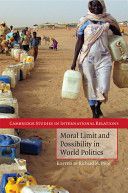
At what point can we concede that the realities of world politics require that moral principles be compromised, and how do we know when a real ethical limit has been reached? This volume gathers leading constructivist scholars to explore the issue of moral limit and possibility in global political dilemmas. The contributors examine pressing ethical challenges such as sanctions, humanitarian intervention, torture, the self-determination of indigenous peoples, immigration, and the debate about international criminal tribunals and amnesties in cases of atrocity. Their analyses entail theoretical and empirical claims about the conditions of possibility and limits of moral change in world politics, therefore providing insightful leverage on the ethical question of ‘what ought we to do?’ This is a valuable contribution to the growing field of normative theory in International Relations and will appeal to scholars and advanced students of international ethics and political theory.
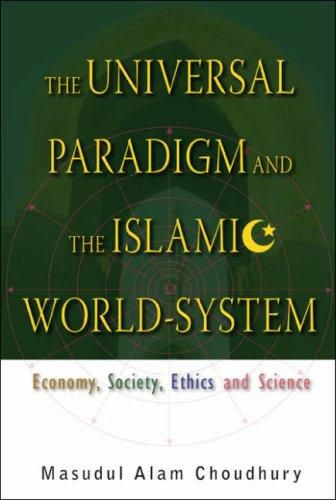
Written by contemporary pioneers in the area of the universal paradigm and Islamic world-systems, this book offers a fresh post-modernist outlook on new epistemological investigations in the universal paradigm. It addresses the problems of the unity of knowledge in learning systems, thereby invoking the foundations of Islamic epistemology. The authors present a phenomenological model of unity of knowledge in economics, ethics, science and society. They also explore some critical areas where this model can be applied.As a foundational study on Islamic theory of knowledge covering the fields of Islamic economics, finance, science and society, the book will be valuable to researchers, practitioners and global academic institutions.
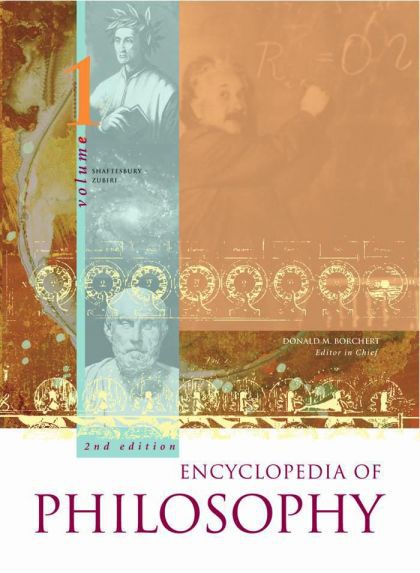
Containing material from hundreds of highly distinguished contributors representing the world’s top universities and institutions, the second edition has a truly global perspective. It contains more than 2,100 entries — including more than 450 new articles. Among the many topics covered are African, Islamic, Jewish, Russian, Chinese, and Buddhist philosophies; bioethics and biomedical ethics; art and aesthetics; epistemology; metaphysics; peace and war; social and political philosophy; the Holocaust; feminist thought; and much more. Additionally, the second edition also features 1,000 biographical entries on major figures in philosophical thought throughout history.
ما از اخلاق چه انتظاری داریم؟ این سوال شاید تاحدودی برای عموم مردم و یا متخصصان این رشته قابل پاسخ باشد؛ اینکه خوب بودن را به ما بیاموزد و در تنظیم روابط فردی م...

جشن کتاب تهران به ایستگاه سی و یکم رسیده است. حال و احوال نشر کتاب خوب نیست و باید فرهنگدوستان را به خرید و هدیه دادن کتاب ترغیب نمود. خانه اخلاقپژوهان جوان ب...

بنیاد کتابهای اخلاق اسلامی عمدتا پالایش جان از آلودگیها و آراستن آن به زیباییها است. اندیشه محوری این قبیل کتابها آن است که انسان فعلی آنی نیست که باید باشد...

-
0 Comments