Notice: تابع WP_Block_Type_Registry::register به طورنادرست فراخوانی شد. نامهای نوع بلوک نباید حروف بزرگ داشته باشند. لطفاً برای اطلاعات بیشتر، اشکال زدایی در وردپرس را مشاهده کنید. (این پیام در نگارش 5.0.0 افزوده شده است.) in /home/ethicsho/public_html/wp-includes/functions.php on line 5313
Warning: Use of undefined constant TDC_PATH_LEGACY - assumed 'TDC_PATH_LEGACY' (this will throw an Error in a future version of PHP) in /home/ethicsho/public_html/wp-content/plugins/td-composer/td-composer.php on line 109
Warning: Use of undefined constant TDSP_THEME_PATH - assumed 'TDSP_THEME_PATH' (this will throw an Error in a future version of PHP) in /home/ethicsho/public_html/wp-content/plugins/td-composer/td-composer.php on line 113 بایگانیهای Modern Philosophy - خانه اخلاق پژوهان جوان Notice: Trying to access array offset on value of type bool in /home/ethicsho/public_html/wp-content/plugins/wp-ulike/inc/general-functions.php on line 807
This volume is the first collection focusing on the claim that we cannot but account for emotions if we are to understand the processes and evaluations related to empirical knowledge. All essays are specifically written for this collection by leading researchers in this relatively new and developing field, bringing together work from backgrounds such as pragmatism and skepticism, cognitive theories of emotions and cognitive science, Cartesian epistemology and virtue epistemology.
Scholarship on Plato’s dialogues persistently divides its focus between the dramatic or literary and the philosophical or argumentative dimensions of the texts. But this hermeneutic division of labor is naive, for Plato’s arguments are embedded in dramatic dialogues and developed through complex, largely informal exchanges between literary characters. Consequently, it is questionable how readers can even attribute arguments and theses to the author himself. The answer to this question lies in transcending the scholarly divide and integrating the literary and philosophical dimensions of the texts. This is the task of Trials of Reason. The study focuses on a set of fourteen so-called early dialogues, beginning with a methodological framework that explains how to integrate the argumentation and the drama in these texts. Unlike most canonical philosophical works, the early dialogues do not merely express the results of the practice of philosophy. Rather, they dramatize philosophy as a kind of motivation, the desire for knowledge of goodness. They dramatize philosophy as a discursive practice, motivated by this desire and ideally governed by reason. And they dramatize the trials to which desire and reason are subject, that is, the difficulties of realizing philosophy as a form of motivation, a practice, and an epistemic achievement. In short, Trials of Reason argues that Plato’s early dialogues are as much works of meta-philosophy as philosophy itself.
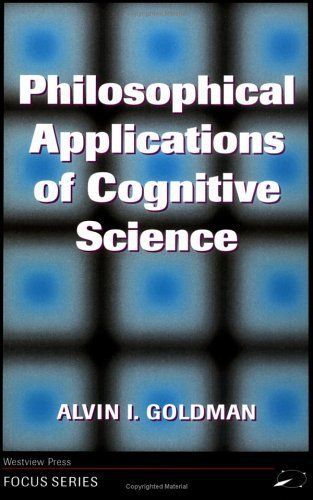
One of the most fruitful interdisciplinary boundaries in contemporary scholarship is that between philosophy and cognitive science. Now that solid empirical results about the activities of the human mind are available, it is no longer necessary for philosophers to practice armchair psychology.In this short, accessible, and entertaining book, Alvin Goldman presents a masterly survey of recent work in cognitive science that has particular relevance to philosophy. Besides providing a valuable review of the most suggestive work in cognitive and social psychology, Goldman demonstrates conclusively that the best work in philosophy in a surprising number of different fields—including philosophy of science, epistemology, metaphysics, and ethics as well as philosophy of mind—must take into account empirical breakthroughs in psychology.One of those rare texts that will also be useful for professionals, Philosophical Applications of Cognitive Science is appropriate for students in a wide range of philosophy courses. It will also interest researchers and students in psychology who are intrigued by the wider theoretical implications of their work.
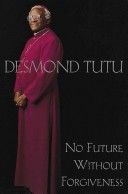
“The Truth and Reconciliation Commission of South Africa has put the spotlight on all of us…In its hearings Desmond Tutu has conveyed our common pain and sorrow, our hope and confidence in the future.” –Nelson Mandela The establishment of South Africa’s Truth and Reconciliation Commission was a pioneering international event. Never had any country sought to move forward from despotism to democracy both by exposing the atrocities committed in the past and achieving reconciliation with its former oppressors. At the center of this unprecedented attempt at healing a nation has been Archbishop Desmond Tutu, whom President Nelson Mandela named as Chairman of the Truth and Reconciliation Commission. With the final report of the Commission just published, Archbishop Tutu offers his reflections on the profound wisdom he has gained by helping usher South Africa through this painful experience. InNo Future Without Forgiveness, Tutu argues that true reconciliation cannot be achieved by denying the past. But nor is it easy to reconcile when a nation “looks the beast in the eye.” Rather than repeat platitudes about forgiveness, he presents a bold spirituality that recognizes the horrors people can inflict upon one another, and yet retains a sense of idealism about reconciliation. With a clarity of pitch born out of decades of experience, Tutu shows readers how to move forward with honesty and compassion to build a newer and more humane world.
ما از اخلاق چه انتظاری داریم؟ این سوال شاید تاحدودی برای عموم مردم و یا متخصصان این رشته قابل پاسخ باشد؛ اینکه خوب بودن را به ما بیاموزد و در تنظیم روابط فردی م...

جشن کتاب تهران به ایستگاه سی و یکم رسیده است. حال و احوال نشر کتاب خوب نیست و باید فرهنگدوستان را به خرید و هدیه دادن کتاب ترغیب نمود. خانه اخلاقپژوهان جوان ب...

بنیاد کتابهای اخلاق اسلامی عمدتا پالایش جان از آلودگیها و آراستن آن به زیباییها است. اندیشه محوری این قبیل کتابها آن است که انسان فعلی آنی نیست که باید باشد...

-
0 Comments