Notice: تابع WP_Block_Type_Registry::register به طورنادرست فراخوانی شد. نامهای نوع بلوک نباید حروف بزرگ داشته باشند. لطفاً برای اطلاعات بیشتر، اشکال زدایی در وردپرس را مشاهده کنید. (این پیام در نگارش 5.0.0 افزوده شده است.) in /home/ethicsho/public_html/wp-includes/functions.php on line 5313
Warning: Use of undefined constant TDC_PATH_LEGACY - assumed 'TDC_PATH_LEGACY' (this will throw an Error in a future version of PHP) in /home/ethicsho/public_html/wp-content/plugins/td-composer/td-composer.php on line 109
Warning: Use of undefined constant TDSP_THEME_PATH - assumed 'TDSP_THEME_PATH' (this will throw an Error in a future version of PHP) in /home/ethicsho/public_html/wp-content/plugins/td-composer/td-composer.php on line 113 بایگانیهای Literature - History And Criticism - Theory, Etc - خانه اخلاق پژوهان جوان Notice: Trying to access array offset on value of type bool in /home/ethicsho/public_html/wp-content/plugins/wp-ulike/inc/general-functions.php on line 807
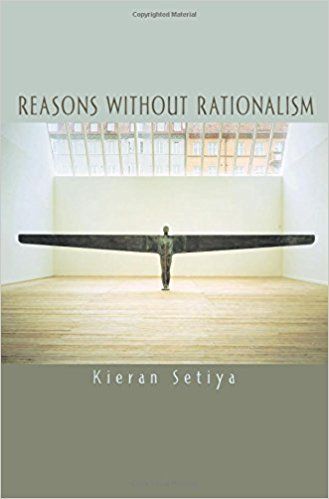
Modern philosophy has been vexed by the question “Why should I be moral?” and by doubts about the rational authority of moral virtue. In Reasons without Rationalism, Kieran Setiya shows that these doubts rest on a mistake. The “should” of practical reason cannot be understood apart from the virtues of character, including such moral virtues as justice and benevolence, and the considerations to which the virtues make one sensitive thereby count as reasons to act. Proposing a new framework for debates about practical reason, Setiya argues that the only alternative to this “virtue theory” is a form of ethical rationalism in which reasons derive from the nature of intentional action. Despite its recent popularity, however, ethical rationalism is false. It wrongly assumes that we act “under the guise of the good,” or it relies on dubious views about intention and motivation. It follows from the failure of rationalism that the virtue theory is true: we cannot be fully good without the perfection of practical reason, or have that perfection without being good. Addressing such topics as the psychology of virtue and the explanation of action, Reasons without Rationalism is essential reading for philosophers interested in ethics, rationality, or the philosophy of mind.
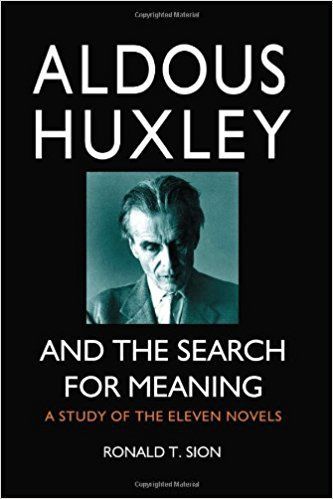
“This critical biography explores Huxley’s life-long quest for self-actualization by interfacing the events of his life with details of the creative period that produced each book, weaving Huxley’s letters, essays and interviews with the thematic content of each novel, providing a unique look into the man’s life and work”–Provided by publisher.
The second volume in applied ethics based on the distinguished Wayne Leys Memorial Lectureship Series. With guidelines from legal reasoning, Michael D. Bayles examines “Moral Theory and Application.” Abraham Edel questions “Ethics Applied Or Conduct Enlightened?” The late Warner A. Wick shows in “The Good Person and the Good Society: Some Ideals Foolish and Otherwise” that devotion to ideals need not be either fanaticism or foolishness. John Lachs contends that many public gains are purchased at the cost of individuals being manipulated in “Public Benefit, Private Costs.” James E. Childress in “Gift of Life…” considers ethical issues in obtaining and distributing human organs. Carl Wellman in “Terrorism and Moral Rights” argues that there can be no “rights-based justification” for anti-abortion terrorism.
ما از اخلاق چه انتظاری داریم؟ این سوال شاید تاحدودی برای عموم مردم و یا متخصصان این رشته قابل پاسخ باشد؛ اینکه خوب بودن را به ما بیاموزد و در تنظیم روابط فردی م...

جشن کتاب تهران به ایستگاه سی و یکم رسیده است. حال و احوال نشر کتاب خوب نیست و باید فرهنگدوستان را به خرید و هدیه دادن کتاب ترغیب نمود. خانه اخلاقپژوهان جوان ب...

بنیاد کتابهای اخلاق اسلامی عمدتا پالایش جان از آلودگیها و آراستن آن به زیباییها است. اندیشه محوری این قبیل کتابها آن است که انسان فعلی آنی نیست که باید باشد...

-
0 Comments