Notice: تابع WP_Block_Type_Registry::register به طورنادرست فراخوانی شد. نامهای نوع بلوک نباید حروف بزرگ داشته باشند. لطفاً برای اطلاعات بیشتر، اشکال زدایی در وردپرس را مشاهده کنید. (این پیام در نگارش 5.0.0 افزوده شده است.) in /home/ethicsho/public_html/wp-includes/functions.php on line 5313
Warning: Use of undefined constant TDC_PATH_LEGACY - assumed 'TDC_PATH_LEGACY' (this will throw an Error in a future version of PHP) in /home/ethicsho/public_html/wp-content/plugins/td-composer/td-composer.php on line 109
Warning: Use of undefined constant TDSP_THEME_PATH - assumed 'TDSP_THEME_PATH' (this will throw an Error in a future version of PHP) in /home/ethicsho/public_html/wp-content/plugins/td-composer/td-composer.php on line 113 بایگانیهای Intellectual Freedom - خانه اخلاق پژوهان جوان Notice: Trying to access array offset on value of type bool in /home/ethicsho/public_html/wp-content/plugins/wp-ulike/inc/general-functions.php on line 807
Modernity has challenged the ancient ideal of a universal quest for wisdom, and today’s world of conflicting cultures and values has raised further doubts regarding the possibility of objective ethical standards. Robert Kane refocuses the debate on the philosophical quest for wisdom, and argues that ethical principles about right action and the good life can be seen to emerge from that very quest itself. His book contends that the search for wisdom involves a persistent striving to overcome narrowness of vision that comes from the inevitable limitations of finite points of view. When applied to questions of value and the good life, this striving has ethical implications about the way we should treat ourselves and others. This study argues for the merits of this central thesis against alternative theories in contemporary normative ethics, and discusses its practical applications for social ethics, political philosophy, law and moral education.
Ranging over central issues of morals and politics and the nature of freedom and authority, this study examines the role of value-neutrality, rights, equality, and the prevention of harm in the liberal tradition, and relates them to fundamental moral questions such as the relation of values to social forms, the comparability of values, and the significance of personal commitments.
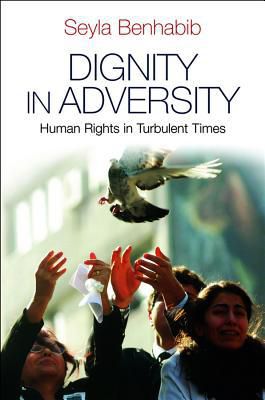
The language of human rights has become the public vocabulary of our contemporary world. Ironically, as the political influence of human rights has grown, their philosophical justification has become ever more controversial. Building on a theory of discourse ethics and communicative rationality, this book addresses the politics and philosophy of human rights against the background of the broader social transformations that are shaping the modern world. Rejecting the reduction of international human rights to the Trojan horse of a neo-liberal empire’s bid for world power, as well as the conservative objections to legal cosmopolitanism as encroachments upon democratic sovereignty, Benhabib develops two key concepts to move beyond these false antitheses. International human rights norms need contextualization in specific polities through processes of what she calls ‘democratic iterations.’ Furthermore, such norms have a ‘jurisgenerative power, ‘ in that they enable new actors to enter fields of social and political contestation; they promote new vocabularies for public claim-making and anticipate a justice to come. — Book Description.
ما از اخلاق چه انتظاری داریم؟ این سوال شاید تاحدودی برای عموم مردم و یا متخصصان این رشته قابل پاسخ باشد؛ اینکه خوب بودن را به ما بیاموزد و در تنظیم روابط فردی م...

جشن کتاب تهران به ایستگاه سی و یکم رسیده است. حال و احوال نشر کتاب خوب نیست و باید فرهنگدوستان را به خرید و هدیه دادن کتاب ترغیب نمود. خانه اخلاقپژوهان جوان ب...

بنیاد کتابهای اخلاق اسلامی عمدتا پالایش جان از آلودگیها و آراستن آن به زیباییها است. اندیشه محوری این قبیل کتابها آن است که انسان فعلی آنی نیست که باید باشد...

-
0 Comments