
Notice: تابع WP_Block_Type_Registry::register به طورنادرست فراخوانی شد. نامهای نوع بلوک نباید حروف بزرگ داشته باشند. لطفاً برای اطلاعات بیشتر، اشکال زدایی در وردپرس را مشاهده کنید. (این پیام در نگارش 5.0.0 افزوده شده است.) in /home/ethicsho/public_html/wp-includes/functions.php on line 5313
Warning: Use of undefined constant TDC_PATH_LEGACY - assumed 'TDC_PATH_LEGACY' (this will throw an Error in a future version of PHP) in /home/ethicsho/public_html/wp-content/plugins/td-composer/td-composer.php on line 109
Warning: Use of undefined constant TDSP_THEME_PATH - assumed 'TDSP_THEME_PATH' (this will throw an Error in a future version of PHP) in /home/ethicsho/public_html/wp-content/plugins/td-composer/td-composer.php on line 113 بایگانیهای Good And Evil - صفحه 2 از 2 - خانه اخلاق پژوهان جوان Notice: Trying to access array offset on value of type bool in /home/ethicsho/public_html/wp-content/plugins/wp-ulike/inc/general-functions.php on line 807
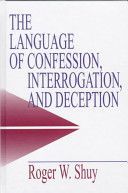
Using a linguistic point of view, The Language of Confession, Interrogation, and Deception is a practical explanation of how confessions work, written by the “father of forensic linguistics”, Roger W. Shuy. Using his 1993 benchmark work, Language Crimes as his model, Shuy examines criminal confessions, the interrogations that elicit them, and the deceptive language that plays a role in the confession event. He presents transcripts from numerous interrogations and analyzes how language is used, how constitutional rights are not protected, consistency and truthfulness, suggestibility, written confessions, as well as unvalidated confessions. He concludes the volume with explicit advice on how to conduct interrogations that will yield credible evidence. A landmark volume with cross-disciplinary applications, The Language of Confession, Interrogation, and Deception is useful for professionals and academics in linguistics, forensic linguistics, criminal justice, communication, and interpersonal violence.
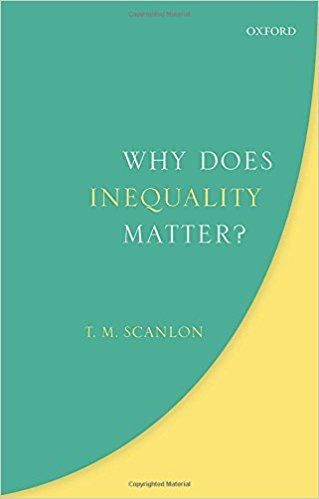
Inequality is widely regarded as morally objectionable: T. M. Scanlon investigates why it matters to us. Demands for greater equality can seem puzzling, because it can be unclear what reason people have for objecting to the difference between what they have and what others have, as opposed simply to wanting to be better off. This book examines six such reasons. Inequality can be objectionable because it arises from a failure of some agent to give equal concern to the interests of different parties to whom it is obligated to provide some good. It can be objectionable because it involves or gives rise to objectionable inequalities in status. It can be objectionable because it gives the rich unacceptable forms of control over the lives of those who have less. It can be objectionable because it interferes with the procedural fairness of economic institutions, or because it deprives some people of substantive opportunity to take part in those institutions. Inequality can be objectionable because it interferes with the fairness of political institutions. Finally, inequality in wealth and income can be objectionable because it is unfair: the institutional mechanisms that produce it cannot be justified in the relevant way. Scanlon’s aims is to provide a moral anatomy of these six reasons, and the ideas of equality that they involve. He also examines objections to the pursuit of equality on the ground that it involves objectionable interference with individual liberty, and argues that ideas of desert do not provide a basis either for justifying significant economic inequality or for objecting to it.
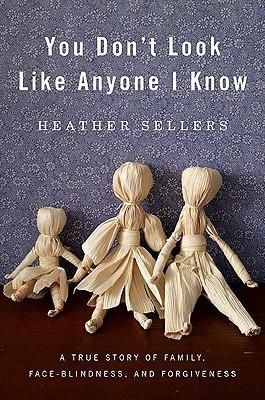
An unusual and uncommonly moving family memoir, with a twist that give new meaning to hindsight, insight, and forgiveness. Heather Sellers is face-blind-that is, she has prosopagnosia, a rare neurological condition that prevents her from reliably recognizing people’s faces. Growing up, unaware of the reason for her perpetual confusion and anxiety, she took what cues she could from speech, hairstyle, and gait. But she sometimes kissed a stranger, thinking he was her boyfriend, or failed to recognize even her own father and mother. She feared she must be crazy. Yet it was her mother who nailed windows shut and covered them with blankets, made her daughter walk on her knees to spare the carpeting, had her practice secret words to use in the likely event of abduction. Her father went on weeklong “fishing trips” (aka benders), took in drifters, wore panty hose and bras under his regular clothes. Heather clung to a barely coherent story of a “normal” childhood in order to survive the one she had. That fairy tale unraveled two decades later when Heather took the man she would marry home to meet her parents and began to discover the truth about her family and about herself. As she came at last to trust her own perceptions, she learned the gift of perspective: that embracing the past as it is allows us to let it go. And she illuminated a deeper truth-that even in the most flawed circumstances, love may be seen and felt.
ما از اخلاق چه انتظاری داریم؟ این سوال شاید تاحدودی برای عموم مردم و یا متخصصان این رشته قابل پاسخ باشد؛ اینکه خوب بودن را به ما بیاموزد و در تنظیم روابط فردی م...

جشن کتاب تهران به ایستگاه سی و یکم رسیده است. حال و احوال نشر کتاب خوب نیست و باید فرهنگدوستان را به خرید و هدیه دادن کتاب ترغیب نمود. خانه اخلاقپژوهان جوان ب...

بنیاد کتابهای اخلاق اسلامی عمدتا پالایش جان از آلودگیها و آراستن آن به زیباییها است. اندیشه محوری این قبیل کتابها آن است که انسان فعلی آنی نیست که باید باشد...

-
0 Comments