
Notice: تابع WP_Block_Type_Registry::register به طورنادرست فراخوانی شد. نامهای نوع بلوک نباید حروف بزرگ داشته باشند. لطفاً برای اطلاعات بیشتر، اشکال زدایی در وردپرس را مشاهده کنید. (این پیام در نگارش 5.0.0 افزوده شده است.) in /home/ethicsho/public_html/wp-includes/functions.php on line 5313
Warning: Use of undefined constant TDC_PATH_LEGACY - assumed 'TDC_PATH_LEGACY' (this will throw an Error in a future version of PHP) in /home/ethicsho/public_html/wp-content/plugins/td-composer/td-composer.php on line 109
Warning: Use of undefined constant TDSP_THEME_PATH - assumed 'TDSP_THEME_PATH' (this will throw an Error in a future version of PHP) in /home/ethicsho/public_html/wp-content/plugins/td-composer/td-composer.php on line 113 بایگانیهای Events (Philosophy) - خانه اخلاق پژوهان جوان Notice: Trying to access array offset on value of type bool in /home/ethicsho/public_html/wp-content/plugins/wp-ulike/inc/general-functions.php on line 807
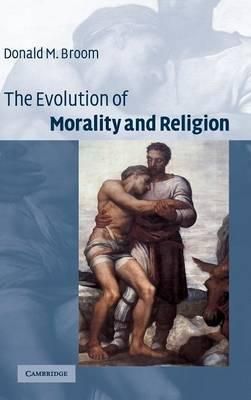
Accepted codes of conduct and established religions are features of human societies throughout the world. Why should this be? In this book, biologist Donald Broom argues that these aspects of human culture have evolved as a consequence of natural selection; that morally acceptable behaviour benefits the humans and other animals and that a principal function of religion is to underpin and encourage such behaviour. The author provides biological insights drawn especially from work on animal behaviour and presents ideas and information from the fields of philosophy and theology to produce a thought-provoking, interdisciplinary treatment. Scientists who read this book will gain an appreciation of the wider literature on morality and religion, and non-scientists will benefit from the author’s extensive knowledge of the biological mechanisms underlying the behaviour of humans and other social animals.
A paradox can be defined as an unacceptable conclusion derived by apparently acceptable reasoning from apparently acceptable premises. Many paradoxes raise serious philosophical problems, and they are associated with crises of thought and revolutionary advances. The expanded and revised third edition of this intriguing book considers a range of knotty paradoxes including Zeno’s paradoxical claim that the runner can never overtake the tortoise, a new chapter on paradoxes about morals, paradoxes about belief, and hardest of all, paradoxes about truth. The discussion uses a minimum of technicality but also grapples with complicated and difficult considerations, and is accompanied by helpful questions designed to engage the reader with the arguments. The result is not only an explanation of paradoxes but also an excellent introduction to philosophical thinking.
What is the environment, and how does it figure in an ethical life? This book is an introduction to the philosophical issues involved in this important question, focussing primarily on ethics but also encompassing questions in aesthetics and political philosophy. Topics discussed include the environment as an ethical question, human morality, meta-ethics, normative ethics, humans and other animals, the value of nature, and nature’s future. The discussion is accessible and richly illustrated with examples. The book will be valuable for students taking courses in environmental philosophy, and also for a wider audience in courses in ethics, practical ethics, and environmental studies. It will also appeal to general readers who want a reliable and sophisticated introduction to the field.
ما از اخلاق چه انتظاری داریم؟ این سوال شاید تاحدودی برای عموم مردم و یا متخصصان این رشته قابل پاسخ باشد؛ اینکه خوب بودن را به ما بیاموزد و در تنظیم روابط فردی م...

جشن کتاب تهران به ایستگاه سی و یکم رسیده است. حال و احوال نشر کتاب خوب نیست و باید فرهنگدوستان را به خرید و هدیه دادن کتاب ترغیب نمود. خانه اخلاقپژوهان جوان ب...

بنیاد کتابهای اخلاق اسلامی عمدتا پالایش جان از آلودگیها و آراستن آن به زیباییها است. اندیشه محوری این قبیل کتابها آن است که انسان فعلی آنی نیست که باید باشد...

-
0 Comments