Notice: تابع WP_Block_Type_Registry::register به طورنادرست فراخوانی شد. نامهای نوع بلوک نباید حروف بزرگ داشته باشند. لطفاً برای اطلاعات بیشتر، اشکال زدایی در وردپرس را مشاهده کنید. (این پیام در نگارش 5.0.0 افزوده شده است.) in /home/ethicsho/public_html/wp-includes/functions.php on line 5313
Warning: Use of undefined constant TDC_PATH_LEGACY - assumed 'TDC_PATH_LEGACY' (this will throw an Error in a future version of PHP) in /home/ethicsho/public_html/wp-content/plugins/td-composer/td-composer.php on line 109
Warning: Use of undefined constant TDSP_THEME_PATH - assumed 'TDSP_THEME_PATH' (this will throw an Error in a future version of PHP) in /home/ethicsho/public_html/wp-content/plugins/td-composer/td-composer.php on line 113 بایگانیهای Ethics, Professional - خانه اخلاق پژوهان جوان Notice: Trying to access array offset on value of type bool in /home/ethicsho/public_html/wp-content/plugins/wp-ulike/inc/general-functions.php on line 807
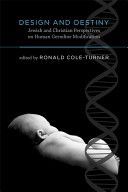
We are approaching the day when advances in biotechnology will allow parents to “design” a baby with the traits they want. The continuing debate over the possibilities of genetic engineering has been spirited, but so far largely confined to the realms of bioethics and public policy. Design and Destiny approaches the question in religious terms, discussing human germline modification (the genetic modification of the embryonic cells that become the eggs or sperm of a developing organism) from the viewpoints of traditional Christian and Jewish teaching. The contributors, leading religious scholars and writers, call our attention not to technology but to humanity, reflecting upon the meaning and destiny of human life in a technological age.Many of these scholars argue that religious teaching can support human germline modification implemented for therapeutic reasons, although they offer certain moral conditions that must be met. The essays offer a surprising variety of opinions, including a discussion of Judaism’s traditional presumption in favor of medicine, an argument that Catholic doctrine could accept germline modification if it is therapeutic for the embryo, an argument implying that “traditional” Christian teaching permits germline modification whether for therapy or enhancement, and a “classical” Protestant view that germline modification should be categorically opposed.Contributors:Lisa Sowle Cahill, Nigel M. de S. Cameron, Ronald Cole-Turner, Amy Michelle DeBaets, Celia Deane-Drummond, Elliot Dorff, H. Tristram Engelhardt, Jr., Thomas A. Shannon, James J. Walter.
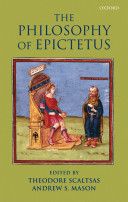
The Stoic philosopher Epictetus has been one of the most influential of ancient thinkers, both in antiquity itself and in modern times. Theodore Scaltsas and Andrew S. Mason present ten specially written papers which discuss Epictetus’ thought on a wide range of subjects, including ethics, logic, theology, and psychology; explore his relations to his predecessors (including his two philosophical heroes, Socrates and Diogenes the Cynic, as well as the earlier Stoic tradition); and examine his influence on later thinkers. Written by some of the leading experts in the field, the essays in this volume will be a fascinating resource for students and scholars of ancient philosophy, and anyone with in an interest in the Stoic attitude to life.
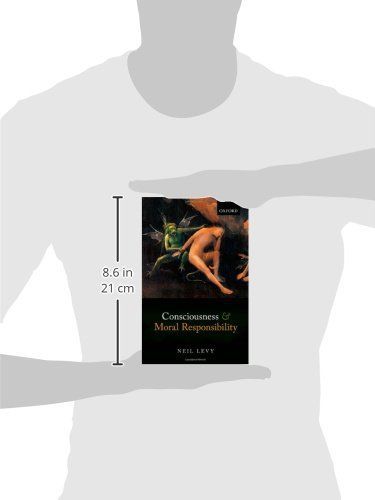
Neil Levy presents an original theory of freedom and responsibility. Cognitive neuroscience and psychology provide a great deal of evidence that our actions are often shaped by information of which we are not conscious; some psychologists have concluded that we are actually conscious of very few of the facts we respond to. But most people seem to assume that we need to be conscious of the facts we respond to in order to be responsible for what we do. Some thinkers have argued that this naive assumption is wrong, and we need not be conscious of these facts to be responsible, while others think it is correct and therefore we are never responsible. Levy argues that both views are wrong. He sets out and defends a particular account of consciousness-the global workspace view-and argues this account entails that consciousness plays an especially important role in action. We exercise sufficient control over the moral significance of our acts to be responsible for them only when we are conscious of the facts that give to our actions their moral character. Further, our actions are expressive of who we are as moral agents only when we are conscious of these same facts. There are therefore good reasons to think that the naive assumption, that consciousness is needed for moral responsibility, is in fact true. Levy suggests that this entails that people are responsible less often than we might have thought, but the consciousness condition does not entail that we are never morally responsible. — Provided by publisher.
Is philosophy capable of establishing truths scientifically? If not, what can it do? What is its standing and what are its credentials? Is philosophy an essential element in humane study? Can philosophy establish anything at all? Philosophy asks questions about all areas of experience, but what about philosophy itself? In 2007 8, The Royal Institute of Philosophy, in its annual lecture series, asked distinguished philosophers to reflect on the nature, scope and possibility of philosophy. Contributors include Peter van Inwagen, Stephen Clark, John Cottingham, P. M. S. Hacker, Michela Massimi, Stephen Mullhall, Herman Philipse and Bryan Magel.
ما از اخلاق چه انتظاری داریم؟ این سوال شاید تاحدودی برای عموم مردم و یا متخصصان این رشته قابل پاسخ باشد؛ اینکه خوب بودن را به ما بیاموزد و در تنظیم روابط فردی م...

جشن کتاب تهران به ایستگاه سی و یکم رسیده است. حال و احوال نشر کتاب خوب نیست و باید فرهنگدوستان را به خرید و هدیه دادن کتاب ترغیب نمود. خانه اخلاقپژوهان جوان ب...

بنیاد کتابهای اخلاق اسلامی عمدتا پالایش جان از آلودگیها و آراستن آن به زیباییها است. اندیشه محوری این قبیل کتابها آن است که انسان فعلی آنی نیست که باید باشد...

-
0 Comments