Notice: تابع WP_Block_Type_Registry::register به طورنادرست فراخوانی شد. نامهای نوع بلوک نباید حروف بزرگ داشته باشند. لطفاً برای اطلاعات بیشتر، اشکال زدایی در وردپرس را مشاهده کنید. (این پیام در نگارش 5.0.0 افزوده شده است.) in /home/ethicsho/public_html/wp-includes/functions.php on line 5313
Warning: Use of undefined constant TDC_PATH_LEGACY - assumed 'TDC_PATH_LEGACY' (this will throw an Error in a future version of PHP) in /home/ethicsho/public_html/wp-content/plugins/td-composer/td-composer.php on line 109
Warning: Use of undefined constant TDSP_THEME_PATH - assumed 'TDSP_THEME_PATH' (this will throw an Error in a future version of PHP) in /home/ethicsho/public_html/wp-content/plugins/td-composer/td-composer.php on line 113 بایگانیهای Criminal Law - Philosophy - خانه اخلاق پژوهان جوان Notice: Trying to access array offset on value of type bool in /home/ethicsho/public_html/wp-content/plugins/wp-ulike/inc/general-functions.php on line 807
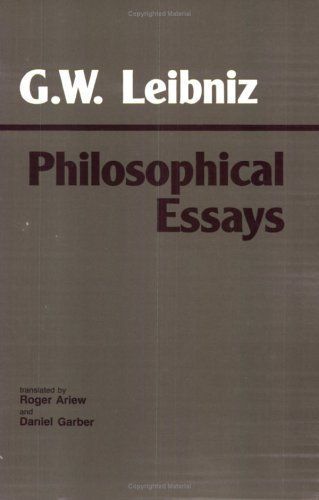
A superb text for teaching the philosophy of Descartes, this volume includes all his major works in their entirety, important selections from his lesser known writings, and key selections from his philosophical correspondence. The result is an anthology that enables the reader to understand the development of Descartes’s thought over his lifetime. Includes a biographical Introduction, chronology, bibliography, and index.
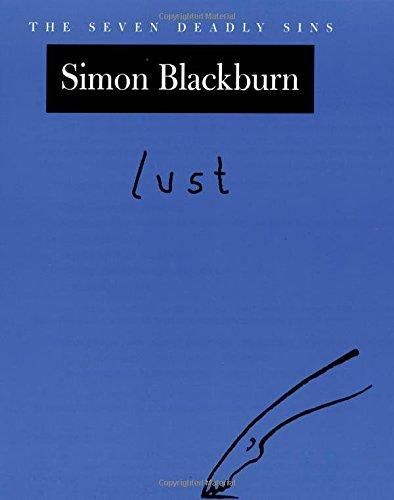
Lust, says Simon Blackburn, is furtive, headlong, always sizing up opportunities. It is a trail of clothing in the hallway, the trashy cousin of love. But be that as it may, the aim of this delightful book is to rescue lust “from the denunciations of old men of the deserts, to deliver it from the pallid and envious confessor and the stocks and pillories of the Puritans, to drag it from the category of sin to that of virtue.” Blackburn, author of such popular philosophy books as Think and Being Good, here offers a sharp-edged probe into the heart of lust, blending together insight from some of the world’s greatest thinkers on sex, human nature, and our common cultural foibles. Blackburn takes a wide ranging, historical approach, discussing lust as viewed by Aristophanes and Plato, lust in the light of the Stoic mistrust of emotion, and the Christian fear of the flesh that catapulted lust to the level of deadly sin. He describes how philosophical pessimists like Schopenhauer and Sartre contributed to our thinking about lust and explores the false starts in understanding lust represented by Freud, Kinsey, and modern “evolutionary psychology.” But most important, Blackburn reminds us that lust is also life-affirming, invigorating, fun. He points to the work of David Hume (Blackburn’s favorite philosopher) who saw lust not only as a sensual delight but also “a joy of the mind.” Written by one of the most eminent living philosophers, attractively illustrated and colorfully packaged, Lust is a book that anyone would lust over.
A classic work in the field of practical and professional ethics, this collection of nine essays by English philosopher and educator Henry Sidgwick (1838-1900) was first published in 1898 and forms a vital complement to Sidgwick’s major treatise on moral theory, The Methods of Ethics. Reissued here as Volume One in a new series sponsored by the Association for Practical and Professional Ethics, the book is composed chiefly of addresses to members of two ethical societies that Sidgwick helped to found in Cambridge and London in the 1880s. Clear, taut, and lively, these essays demonstrate the compassion and calm reasonableness that Sidgwick brought to all his writings. As Sidgwick explains in his opening essay, the societies he addressed aimed to allow academics, professionals, and others to pursue joint efforts at reaching “some results of value for practical guidance and life.” Sidgwick hoped that members might discuss such questions as when, if ever, public officials might be justified in lying or in breaking promises, whether scientists could legitimately inflict suffering on animals for research purposes, when nations might have just cause in going to war, and a score of other issues of ethics in public and private life still debated a century later. This valuable reissue returns Practical Ethics to its rightful place in Sidgwick’s oeuvre. Noted ethicist Sissela Bok provides a superb Introduction, ranging over the course of Sidgwick’s life and career and underscoring the relevance of Practical Ethics to contemporary debate. She writes: “Practical Ethics, the last book that Henry Sidgwick published before his death in 1900, contains the distillation of a lifetime of reflection on ethics and on what it would take for ethical debate to be ‘really of use in the solution of practical questions.'” This rich, engaging work is essential reading for all concerned with the relationship between ethical theory and. practice, and with the questions that have driven the study of professional ethics in recent years.
ما از اخلاق چه انتظاری داریم؟ این سوال شاید تاحدودی برای عموم مردم و یا متخصصان این رشته قابل پاسخ باشد؛ اینکه خوب بودن را به ما بیاموزد و در تنظیم روابط فردی م...

جشن کتاب تهران به ایستگاه سی و یکم رسیده است. حال و احوال نشر کتاب خوب نیست و باید فرهنگدوستان را به خرید و هدیه دادن کتاب ترغیب نمود. خانه اخلاقپژوهان جوان ب...

بنیاد کتابهای اخلاق اسلامی عمدتا پالایش جان از آلودگیها و آراستن آن به زیباییها است. اندیشه محوری این قبیل کتابها آن است که انسان فعلی آنی نیست که باید باشد...

-
0 Comments