Notice: تابع WP_Block_Type_Registry::register به طورنادرست فراخوانی شد. نامهای نوع بلوک نباید حروف بزرگ داشته باشند. لطفاً برای اطلاعات بیشتر، اشکال زدایی در وردپرس را مشاهده کنید. (این پیام در نگارش 5.0.0 افزوده شده است.) in /home/ethicsho/public_html/wp-includes/functions.php on line 5313
Warning: Use of undefined constant TDC_PATH_LEGACY - assumed 'TDC_PATH_LEGACY' (this will throw an Error in a future version of PHP) in /home/ethicsho/public_html/wp-content/plugins/td-composer/td-composer.php on line 109
Warning: Use of undefined constant TDSP_THEME_PATH - assumed 'TDSP_THEME_PATH' (this will throw an Error in a future version of PHP) in /home/ethicsho/public_html/wp-content/plugins/td-composer/td-composer.php on line 113 بایگانیهای Commercial Law - خانه اخلاق پژوهان جوان Notice: Trying to access array offset on value of type bool in /home/ethicsho/public_html/wp-content/plugins/wp-ulike/inc/general-functions.php on line 807
Most people believe that it is sometimes morally permissible for a person to use force to defend herself or others against harm. In Defensive Killing, Helen Frowe offers a detailed exploration of when and why the use of such force is permissible. She begins by considering the use of force between individuals, investigating both the circumstances under which an attacker forfeits her right not to be harmed, and the distinct question of when it is all-things-considered permissible to use force against an attacker. Frowe then extends this enquiry to war, defending the view that we should judge the ethics of killing in war by the moral rules that govern killing between individuals. She argues that this requires us to significantly revise our understanding of the moral status of non-combatants in war. Non-combatants who intentionally contribute to an unjust war forfeit their rights not to be harmed, such that they are morally liable to attack by combatants fighting a just war.
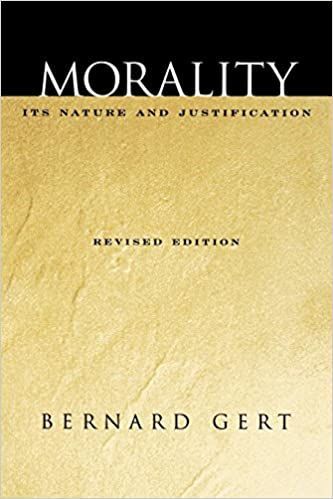
Bernard Gert’s classic work Morality, in which he argues his distinctive and comprehensive moral theory, is now in its sixth edition. Gert argues that morality is an informal system that does not provide answers to every moral question but does always limit the range of morally acceptable options and so explains why some moral questions cannot be resolved. Gert describes the two-step procedure that is used in moral decisions and judgments, and he shows that moral rules cannot be understood independently of the system in which they are embedded. Although his moral theory is sophisticated, it is presented with a clarity that will appeal to undergraduate and graduate students alike, as well as anyone with a general interest in applied ethics. In this new edition, Gert perfects the consistency of his views by presenting his argument in greater detail; he also revises the text in light of a critical book and two symposia dedicated to his theory that have surfaced since the book’s last publication. This is the definitive edition to the work that has received so much attention and acclaim.
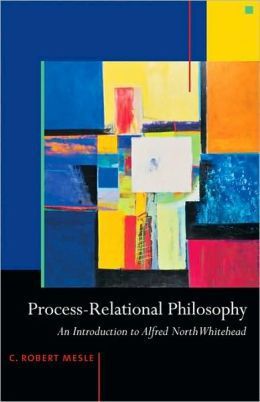
Process-Relational Philosophy provides a basic introduction to Alfred North Whitehead’s Process and Reality, the vision that underlies much of contemporary process philosophy, theology, political theory, educational theory, and the religion-science dialogue. A companion volume to the author’s acclaimed Process Theology: A Basic Introduction, it shows the way beyond both reductive materialism and the traps of Cartesian dualism to a world of continual process and becoming, where each person relates to every other and to all of nature.
The debate over religious lawmaking pits respect for religious pluralism against moral identity-with liberal theorists contending that religious lawmaking is generally suspect in a morally and religiously diverse polity like the United States, and communitarian ones arguing that lawmakers cannot, and should not, be expected to suppress their religious commitments in their public policy making. Looking carefully at both sides of this ongoing debate, Lucinda Peach explores the limitations as well as the value of these conflicting perspectives, and proposes a solution for their reconciliation. Peach breaks from traditional analysis as she contends that both sides of the argument are fundamentally flawed. Neither side has been willing to recognize the merit of the other’s arguments, and both have ignored the gender-based disparities of religious lawmaking (particularly with respect to the effect religion has had on reproductive rights and abortion regulation). Using an interdisciplinary approach, the book argues for a pragmatic solution to this impasse which will respect religious pluralism, moral identity, and gender differences. Peach’s proposals will be of interest to philosophers, legal theorists, and scholars in women’s studies and political science.
ما از اخلاق چه انتظاری داریم؟ این سوال شاید تاحدودی برای عموم مردم و یا متخصصان این رشته قابل پاسخ باشد؛ اینکه خوب بودن را به ما بیاموزد و در تنظیم روابط فردی م...

جشن کتاب تهران به ایستگاه سی و یکم رسیده است. حال و احوال نشر کتاب خوب نیست و باید فرهنگدوستان را به خرید و هدیه دادن کتاب ترغیب نمود. خانه اخلاقپژوهان جوان ب...

بنیاد کتابهای اخلاق اسلامی عمدتا پالایش جان از آلودگیها و آراستن آن به زیباییها است. اندیشه محوری این قبیل کتابها آن است که انسان فعلی آنی نیست که باید باشد...

-
0 Comments