Notice: تابع WP_Block_Type_Registry::register به طورنادرست فراخوانی شد. نامهای نوع بلوک نباید حروف بزرگ داشته باشند. لطفاً برای اطلاعات بیشتر، اشکال زدایی در وردپرس را مشاهده کنید. (این پیام در نگارش 5.0.0 افزوده شده است.) in /home/ethicsho/public_html/wp-includes/functions.php on line 5313
Warning: Use of undefined constant TDC_PATH_LEGACY - assumed 'TDC_PATH_LEGACY' (this will throw an Error in a future version of PHP) in /home/ethicsho/public_html/wp-content/plugins/td-composer/td-composer.php on line 109
Warning: Use of undefined constant TDSP_THEME_PATH - assumed 'TDSP_THEME_PATH' (this will throw an Error in a future version of PHP) in /home/ethicsho/public_html/wp-content/plugins/td-composer/td-composer.php on line 113 بایگانیهای Biography & Autobiography / Women - خانه اخلاق پژوهان جوان Notice: Trying to access array offset on value of type bool in /home/ethicsho/public_html/wp-content/plugins/wp-ulike/inc/general-functions.php on line 807
Concerned throughout with the implications of moral dilemmas for moral theory, this collection of essays captures in striking fashion the full scope and vitality of the current moral dilemmas debate. Including both realist and anti-realist meta-ethical positions, and Kantian and consequentialist normative views, Moral Dilemmas and Moral Theory sheds new light on several standing controversies in moral philosophy while raising a fresh set of challenging theoretical issues.
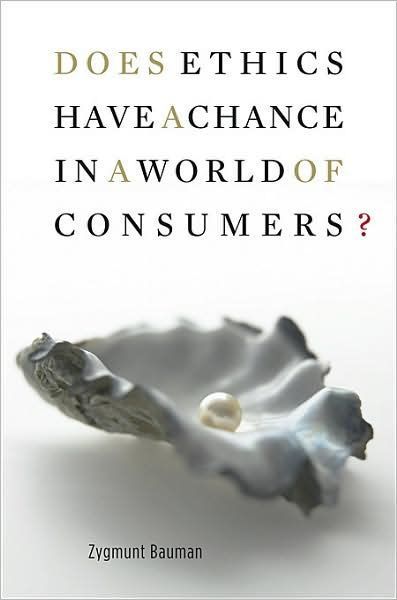
Zygmunt Bauman is one of the most admired social thinkers of our time. Once a Marxist sociologist, he has surrendered the narrowness of both Marxism and sociology, and dares to write in language that ordinary people can understand—about problems they feel ill equipped to solve. This book is no dry treatise but is instead what Bauman calls “a report from a battlefield,” part of the struggle to find new and adequate ways of thinking about the world in which we live. Rather than searching for solutions to what are perhaps the insoluble problems of the modern world, Bauman proposes that we reframe the way we think about these problems. In an era of routine travel, where most people circulate widely, the inherited beliefs that aid our thinking about the world have become an obstacle. Bauman seeks to liberate us from the thinking that renders us hopeless in the face of our own domineering governments and threats from unknown forces abroad. He shows us we can give up belief in a hierarchical arrangement of states and powers. He challenges members of the “knowledge class” to overcome their estrangement from the rest of society. Gracefully, provocatively, Bauman urges us to think in new ways about a newly flexible, newly challenging modern world. As Bauman notes, quoting Vaclav Havel, “hope is not a prognostication.” It is, rather, alongside courage and will, a mundane, common weapon that is too seldom used.
This volume reflects on the effects of recent discoveries in genetics on a broad range of scientific fields. In addition to neuroscience, evolutionary biology, anthropology and medicine, contributors analyze the effects of genetics on theories of health, law, epistemology and philosophy of biology. Social and moral concerns about the relationship between genetics, society and the individual also figure prominently. Genetic discoveries fuel central contemporary public policy debates concerning, for example, human cloning, equitable access to healthcare or the role of genetics in medicine. Perhaps more fundamentally, advances in genetics are altering our perception of human life and death.An interview with François Jacob by Anne Fagot-Largeault opens the volume. In this interview, Jacob, who shared a Nobel Prize with André Lwoff and Jacques Monod for their discoveries concerning genetic control of enzyme and virus synthesis, addresses many of the central methodological epistemological and ethical questions covered in the volume. The dynamic interdisciplinary character of this volume makes it relevant to scholars from many disciplines, from biology, philosophy and the social sciences.
There has been a consistent interest in ethical issues arising in the context of HIV research. Ongoing international and multi-site studies and the continuing search for an HIV vaccine continue to prompt examination of how this research is conducted, how participants are engaged in the studies, and the obligations of the researchers to individual participants and their communities during the course of and following the conclusion of the research. Each chapter is authored primarily by one of the editors (secondarily by the other) and is accompanied by one to two case studies. Each case study has been authored by an HIV/AIDS researcher with experience in the subject matter of the chapter. The case studies will focus on an actual ethical dilemma encountered by the researcher, with suggestions on how it can be resolved. Each chapter addresses relevant issues and emphasizes particular ethical principles.
ما از اخلاق چه انتظاری داریم؟ این سوال شاید تاحدودی برای عموم مردم و یا متخصصان این رشته قابل پاسخ باشد؛ اینکه خوب بودن را به ما بیاموزد و در تنظیم روابط فردی م...

جشن کتاب تهران به ایستگاه سی و یکم رسیده است. حال و احوال نشر کتاب خوب نیست و باید فرهنگدوستان را به خرید و هدیه دادن کتاب ترغیب نمود. خانه اخلاقپژوهان جوان ب...

بنیاد کتابهای اخلاق اسلامی عمدتا پالایش جان از آلودگیها و آراستن آن به زیباییها است. اندیشه محوری این قبیل کتابها آن است که انسان فعلی آنی نیست که باید باشد...

-
0 Comments