Notice: تابع WP_Block_Type_Registry::register به طورنادرست فراخوانی شد. نامهای نوع بلوک نباید حروف بزرگ داشته باشند. لطفاً برای اطلاعات بیشتر، اشکال زدایی در وردپرس را مشاهده کنید. (این پیام در نگارش 5.0.0 افزوده شده است.) in /home/ethicsho/public_html/wp-includes/functions.php on line 5313
Warning: Use of undefined constant TDC_PATH_LEGACY - assumed 'TDC_PATH_LEGACY' (this will throw an Error in a future version of PHP) in /home/ethicsho/public_html/wp-content/plugins/td-composer/td-composer.php on line 109
Warning: Use of undefined constant TDSP_THEME_PATH - assumed 'TDSP_THEME_PATH' (this will throw an Error in a future version of PHP) in /home/ethicsho/public_html/wp-content/plugins/td-composer/td-composer.php on line 113 بایگانیهای Univ. of Chicago Press - خانه اخلاق پژوهان جوان Notice: Trying to access array offset on value of type bool in /home/ethicsho/public_html/wp-content/plugins/wp-ulike/inc/general-functions.php on line 807
Though the Revised Edition of A Theory of Justice, published in 1999, is the definitive statement of Rawlsıs view, so much of the extensive literature on Rawlsıs theory refers to the first edition. This reissue makes the first edition once again available for scholars and serious students of Rawlsıs work.ıJohn Rawls draws on the most subtle techniques of contemporary analytic philosophy to provide the social contract tradition with what is, from a philosophical point of view at least, the most formidable defense it has yet received ı [and] makes available the powerful intellectual resources and the comprehensive approach that have so far eluded antiutilitarians.ııMarshall Cohen, New York Times Book ReviewıI mean ı to press my recommendation of [this book] to non-philosophers, especially those holding positions of responsibility in law and government. For the topic with which it deals is central to this countryıs purposes, and the misunderstanding of that topic is central to its difficulties.ııPeter Caws, New RepublicıThe most substantial and interesting contribution to moral philosophy since the war.ııStuart Hampshire, New York Review of Books
Is it possible to apply a theoretical approach to ethics? The French philosopher Catherine Chalier addresses this question with an unusual combination of traditional ethics and continental philosophy. In a powerful argument for the necessity of moral reflection, Chalier counters the notion that morality can be derived from theoretical knowledge.Chalier analyzes the positions of two great moral philosophers, Kant and Levinas. While both are critical of an ethics founded on knowledge, their criticisms spring from distinctly different points of view. Chalier reexamines their conclusions, pitting Levinas against (and with) Kant, to interrogate the very foundations of moral philosophy and moral imperatives. She provides a clear, systematic comparison of their positions on essential ideas such as free will, happiness, freedom, and evil. Although based on a close and elegant presentation of Kant and Levinas, Chalier’s book serves as a context for the development of the author’s own reflections on the question “What am I supposed to do?” and its continued importance for contemporary philosophy.
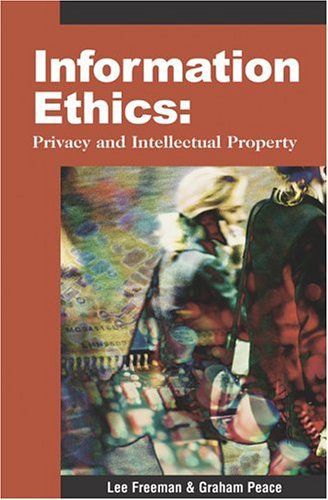
“Information Ethics: Privacy and Intellectual Property provides an up-to-date discussion of the main ethical issues that face today’s information-intensive society, including the areas of intellectual property rights, privacy, accessibility and censorship. Through chapters written by some of today’s leading Information Ethics researchers, this book provides the reader with a thorough overview of the current state of Information Ethics, the dangers and opportunities presented by information technology, and potential solutions to the risks currently faced by today’s information society.”–BOOK JACKET.
Have evolution, science and the trappings of the modern world killed off God irrevocably? And what do we lose if we choose not to believe in him? From Newton and Descartes to Darwin and the discovery of the genome, religion has been pushed back further and further while science has gained ground. But what fills the void that religion leaves behind? This book is an attempt to look at these questions and to suggest a third way between the easy consolations of religion and the persuasive force of science that the everyday modern reader can engage with.
ما از اخلاق چه انتظاری داریم؟ این سوال شاید تاحدودی برای عموم مردم و یا متخصصان این رشته قابل پاسخ باشد؛ اینکه خوب بودن را به ما بیاموزد و در تنظیم روابط فردی م...

جشن کتاب تهران به ایستگاه سی و یکم رسیده است. حال و احوال نشر کتاب خوب نیست و باید فرهنگدوستان را به خرید و هدیه دادن کتاب ترغیب نمود. خانه اخلاقپژوهان جوان ب...

بنیاد کتابهای اخلاق اسلامی عمدتا پالایش جان از آلودگیها و آراستن آن به زیباییها است. اندیشه محوری این قبیل کتابها آن است که انسان فعلی آنی نیست که باید باشد...

-
0 Comments