Notice: تابع WP_Block_Type_Registry::register به طورنادرست فراخوانی شد. نامهای نوع بلوک نباید حروف بزرگ داشته باشند. لطفاً برای اطلاعات بیشتر، اشکال زدایی در وردپرس را مشاهده کنید. (این پیام در نگارش 5.0.0 افزوده شده است.) in /home/ethicsho/public_html/wp-includes/functions.php on line 5313
Warning: Use of undefined constant TDC_PATH_LEGACY - assumed 'TDC_PATH_LEGACY' (this will throw an Error in a future version of PHP) in /home/ethicsho/public_html/wp-content/plugins/td-composer/td-composer.php on line 109
Warning: Use of undefined constant TDSP_THEME_PATH - assumed 'TDSP_THEME_PATH' (this will throw an Error in a future version of PHP) in /home/ethicsho/public_html/wp-content/plugins/td-composer/td-composer.php on line 113 بایگانیهای Totem Books - خانه اخلاق پژوهان جوان Notice: Trying to access array offset on value of type bool in /home/ethicsho/public_html/wp-content/plugins/wp-ulike/inc/general-functions.php on line 807
How can we improve our ethical beliefs? How great are our capacities for moral improvement? What constitutes a good life? What role can philosophy play in answering these questions? In this important new book, one of our leading moral philosophers looks at central issues of ethics and emerges with the fullest and most elegant account of his fundamental ethical theory. James Griffin examines influential schools of ethical thought and finds deontology, virtue ethics, and most forms of utilitarianism to be overly ambitious. He argues that ethics cannot be what philosophers in these traditions expect because agents cannot be what the philosophies need them to be. Clear, compelling, and original, this new account of ethics will be of interest to anyone concerned with thinking about values: not only philosophers but legal, political, and economic theorists as well.
“This new edition of Stanley Cavell’s landmark text, first published 20 years ago, provides a new preface that discusses the reception and influence of his work, which occupies a unique niche between philosophy and literary studies.”–BOOK JACKET.
Do national boundaries have fundamental moral significance, or do we have moral obligations to foreigners that are equal to our obligations to our compatriots? The latter position is known as cosmopolitanism, and this volume brings together a number of distinguished political philosophers and theorists to explore cosmopolitanism and the positive arguments that can be made for it. Their essays provide a comprehensive overview of the current state of the debate as well as the alternative visions of cosmopolitanism that will interest a wide range of readers in philosophy, political theory, and law.
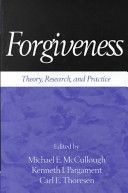
Bringing together a distinguished array of researchers and scholars, this volume reviews the breadth of current knowledge on the psychology of forgiveness. In addition to presenting cutting-edge theory and research, the book outlines crucial issues that must be addressed to advance the state of the science in years to come. The first section provides a historical and conceptual overview, examining definitional problems and giving special attention to religious and cultural influences on how forgiveness is understood and experienced. The biological, developmental, social, and personality foundations of forgiveness are then explored. The final section covers applications in clinical research and practice, including guidelines for studying and applying forgiveness-based strategies in psychotherapy, counseling, and interventions to promote health. This volume will be of interest to a broad interdisciplinary audience of researchers, educators, students, and practicing professionals.
ما از اخلاق چه انتظاری داریم؟ این سوال شاید تاحدودی برای عموم مردم و یا متخصصان این رشته قابل پاسخ باشد؛ اینکه خوب بودن را به ما بیاموزد و در تنظیم روابط فردی م...

جشن کتاب تهران به ایستگاه سی و یکم رسیده است. حال و احوال نشر کتاب خوب نیست و باید فرهنگدوستان را به خرید و هدیه دادن کتاب ترغیب نمود. خانه اخلاقپژوهان جوان ب...

بنیاد کتابهای اخلاق اسلامی عمدتا پالایش جان از آلودگیها و آراستن آن به زیباییها است. اندیشه محوری این قبیل کتابها آن است که انسان فعلی آنی نیست که باید باشد...

-
0 Comments