Notice: تابع WP_Block_Type_Registry::register به طورنادرست فراخوانی شد. نامهای نوع بلوک نباید حروف بزرگ داشته باشند. لطفاً برای اطلاعات بیشتر، اشکال زدایی در وردپرس را مشاهده کنید. (این پیام در نگارش 5.0.0 افزوده شده است.) in /home/ethicsho/public_html/wp-includes/functions.php on line 5313
Warning: Use of undefined constant TDC_PATH_LEGACY - assumed 'TDC_PATH_LEGACY' (this will throw an Error in a future version of PHP) in /home/ethicsho/public_html/wp-content/plugins/td-composer/td-composer.php on line 109
Warning: Use of undefined constant TDSP_THEME_PATH - assumed 'TDSP_THEME_PATH' (this will throw an Error in a future version of PHP) in /home/ethicsho/public_html/wp-content/plugins/td-composer/td-composer.php on line 113 بایگانیهای Random House USA Inc - خانه اخلاق پژوهان جوان Notice: Trying to access array offset on value of type bool in /home/ethicsho/public_html/wp-content/plugins/wp-ulike/inc/general-functions.php on line 807
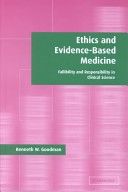
The growth of evidence-based medicine has occurred against a backdrop of health care reform, managed care, cost containment, and quality improvement. Clinicians have been urged to adopt the rigors of science while remaining true to their ‘clinical judgment’. This incisive book reviews the history and conceptual origins of evidence-based practice and discusses key ethical issues that arise in clinical practice, public health, and health policy. It is essential reading for all physicians, and practitioners in epidemiology and public health.
The intellectual scope and courage to contend with the largest puzzles of human existence and organization distinguish great social thinkers. Barrington Moore’s Social Origins of Dictatorship and Democracy was a foundational work of historical sociology that influenced a generation of social scientists and, decades later, continues to be widely read and taught. Here, Moore takes up the same tools of historical comparison to investigate why groups of people kill and torture each other. His answer is arrestingly simple: people persecute those whom they perceive as polluting due to their “impure” religious, political, or economic ideas.Moore’s search begins with the Old Testament’s restrictions on sexual behavior, idolatry, diet, and handling unclean objects. He argues that religious authorities seeking to distinguish the ancient Hebrews from competing groups invented, along with monotheism, the association of impure things with moral failure and the violation of God’s will. This allowed people to view those holding competing ideas as contaminated and, more important, contaminating. Moore moves next to the French Wars of Religion, in which Protestants and Catholics massacred each other over the control of purity, and the French Revolution, which perfected terror and secularized purity. He then combs the major Asian religions and finds–to his surprise–that violent efforts to eradicate the “impure” were largely absent before substantial Western influence.Moore’s provocative conclusion is that monotheism–with its monopoly on virtue and failure to provide supernatural scapegoats–is responsible for some of the most virulent forms of intolerance and is a major cause of human nastiness and suffering. Moore does not say that the monotheist tradition was the primary source of Nazism, Stalinism, Maoism, violent Hindu fundamentalism, or ethnic cleansing in Rwanda and the former Yugoslavia, but he does identify it as an indispensable cause because it justified, encouraged, and spread vindictive persecution throughout the world.Once again, Moore has drawn on his comprehensive understanding of history and talent for speaking directly to readers to address one of the most crucial questions about human past and future. This book is for anyone who has ever heard the word genocide and asked why.
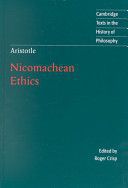
Aristotles Nicomachean Ethics, based on lectures that he gave in Athens in the fourth century BCE, is one of the most significant works in moral philosophy, and has profoundly influenced the whole course of subsequent philosophical endeavour. It is soundly located within a philosophical tradition, but its argument differs markedly from those of Plato and Socrates in its emphasis on the exercise – as opposed to the mere possession – of virtue as the key to human happiness, offering seminal discussions of ethical issues that are practical in their intent. Topics covered include the role of luck in human wellbeing, moral education, responsibility, courage, justice, moral weakness, friendship and pleasure. This accessible new translation by Roger Crisp follows the Greek text closely and also provides a non-Greek-reader with the flavour of the original. The volume also includes a historical and philosophical introduction and notes on further reading.
ما از اخلاق چه انتظاری داریم؟ این سوال شاید تاحدودی برای عموم مردم و یا متخصصان این رشته قابل پاسخ باشد؛ اینکه خوب بودن را به ما بیاموزد و در تنظیم روابط فردی م...

جشن کتاب تهران به ایستگاه سی و یکم رسیده است. حال و احوال نشر کتاب خوب نیست و باید فرهنگدوستان را به خرید و هدیه دادن کتاب ترغیب نمود. خانه اخلاقپژوهان جوان ب...

بنیاد کتابهای اخلاق اسلامی عمدتا پالایش جان از آلودگیها و آراستن آن به زیباییها است. اندیشه محوری این قبیل کتابها آن است که انسان فعلی آنی نیست که باید باشد...

-
0 Comments