
Notice: تابع WP_Block_Type_Registry::register به طورنادرست فراخوانی شد. نامهای نوع بلوک نباید حروف بزرگ داشته باشند. لطفاً برای اطلاعات بیشتر، اشکال زدایی در وردپرس را مشاهده کنید. (این پیام در نگارش 5.0.0 افزوده شده است.) in /home/ethicsho/public_html/wp-includes/functions.php on line 5313
Warning: Use of undefined constant TDC_PATH_LEGACY - assumed 'TDC_PATH_LEGACY' (this will throw an Error in a future version of PHP) in /home/ethicsho/public_html/wp-content/plugins/td-composer/td-composer.php on line 109
Warning: Use of undefined constant TDSP_THEME_PATH - assumed 'TDSP_THEME_PATH' (this will throw an Error in a future version of PHP) in /home/ethicsho/public_html/wp-content/plugins/td-composer/td-composer.php on line 113 بایگانیهای Princeton University Press - خانه اخلاق پژوهان جوان Notice: Trying to access array offset on value of type bool in /home/ethicsho/public_html/wp-content/plugins/wp-ulike/inc/general-functions.php on line 807
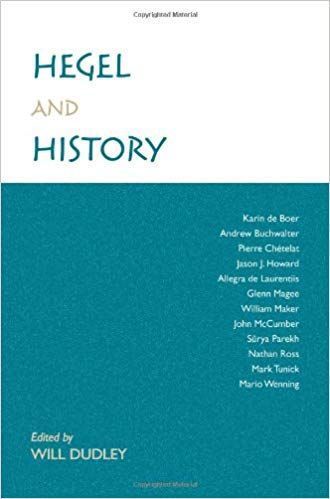
Nearly two centuries after declaring “the end of history,” Hegel remains a rich source of insights into our historical nature. The essays collected here interpret and develop those insights, while also challenging Hegel’s philosophical approach to comprehend present and future phenomena that he could neither experience nor imagine. They represent the very best in contemporary scholarship on Hegel and history, and collectively they address all of the important and disputed topics in the field: Hegel’s claim that history has an end, whether his philosophy of history is Eurocentric or racist, how elements of what he terms “subjective spirit” and “objective spirit” contribute to historical development, and the relationship between religion and his philosophy of history.
Aristotles Nicomachean Ethics, based on lectures that he gave in Athens in the fourth century BCE, is one of the most significant works in moral philosophy, and has profoundly influenced the whole course of subsequent philosophical endeavour. It is soundly located within a philosophical tradition, but its argument differs markedly from those of Plato and Socrates in its emphasis on the exercise – as opposed to the mere possession – of virtue as the key to human happiness, offering seminal discussions of ethical issues that are practical in their intent. Topics covered include the role of luck in human wellbeing, moral education, responsibility, courage, justice, moral weakness, friendship and pleasure. This accessible new translation by Roger Crisp follows the Greek text closely and also provides a non-Greek-reader with the flavour of the original. The volume also includes a historical and philosophical introduction and notes on further reading.
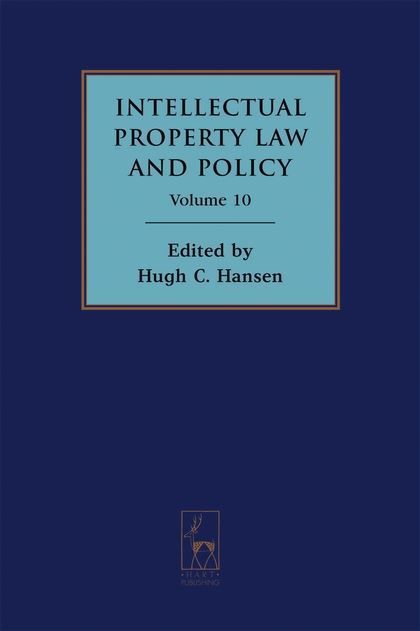
Hart Publishing is pleased to announce that it has recently become publisher of this prestigious and much valued work. The 15th Annual volume in the series collects the presentations and discussion from the Annual Fordham IP Conference. The contributions, by leading world experts, analyze the most pressing issues in copyright, trademark and patent law as seen from the perspectives of the USA, the EU, Asia and WIPO. This volume, in common with its predecessors, seeks to make a lasting contribution to discourse in IP law; few of the chapters are merely descriptive, and most raise questions of policy or discuss new developments.Praise for the Fordham International Intellectual Property Conference:”This must be one of the most enjoyable and thought-provoking conferences in the IP field. The high quality of the speakers is matched by the intense, audience-led debates and challenges which follow.” Hugh Laddie, (formerly Mr. Justice Laddie) University College, London and consultant to Rouse & Co, Willoughby & Partners.”Faculty for this conference are always well-known ‘names’ well respected leaders in their fields, speaking with a combination of candor and timeliness that is unrivaled by any other forum of its kind.” The Honorable Marybeth Peters, Register of Copyrights, United States Copyright Office.
Many words and expressions are viewed as ‘taboo’, such as those used to describe sex, our bodies and their functions, and those used to insult other people. This book provides a fascinating insight into taboo language and its role in everyday life. It looks at the ways we use language to be polite or impolite, politically correct or offensive, depending on whether we are ‘sweet-talking’, ‘straight-talking’ or being deliberately rude. Using a range of colourful examples, it shows how we use language playfully and figuratively in order to swear, to insult, and also to be politically correct, and what our motivations are for doing so. It goes on to examine the differences between institutionalized censorship and the ways individuals censor their own language. Lively and revealing, Forbidden Words will fascinate anyone who is interested in how and why we use and avoid taboos in daily conversation.
ما از اخلاق چه انتظاری داریم؟ این سوال شاید تاحدودی برای عموم مردم و یا متخصصان این رشته قابل پاسخ باشد؛ اینکه خوب بودن را به ما بیاموزد و در تنظیم روابط فردی م...

جشن کتاب تهران به ایستگاه سی و یکم رسیده است. حال و احوال نشر کتاب خوب نیست و باید فرهنگدوستان را به خرید و هدیه دادن کتاب ترغیب نمود. خانه اخلاقپژوهان جوان ب...

بنیاد کتابهای اخلاق اسلامی عمدتا پالایش جان از آلودگیها و آراستن آن به زیباییها است. اندیشه محوری این قبیل کتابها آن است که انسان فعلی آنی نیست که باید باشد...

-
0 Comments