Notice: تابع WP_Block_Type_Registry::register به طورنادرست فراخوانی شد. نامهای نوع بلوک نباید حروف بزرگ داشته باشند. لطفاً برای اطلاعات بیشتر، اشکال زدایی در وردپرس را مشاهده کنید. (این پیام در نگارش 5.0.0 افزوده شده است.) in /home/ethicsho/public_html/wp-includes/functions.php on line 5313
Warning: Use of undefined constant TDC_PATH_LEGACY - assumed 'TDC_PATH_LEGACY' (this will throw an Error in a future version of PHP) in /home/ethicsho/public_html/wp-content/plugins/td-composer/td-composer.php on line 109
Warning: Use of undefined constant TDSP_THEME_PATH - assumed 'TDSP_THEME_PATH' (this will throw an Error in a future version of PHP) in /home/ethicsho/public_html/wp-content/plugins/td-composer/td-composer.php on line 113 بایگانیهای Pantheon - خانه اخلاق پژوهان جوان Notice: Trying to access array offset on value of type bool in /home/ethicsho/public_html/wp-content/plugins/wp-ulike/inc/general-functions.php on line 807
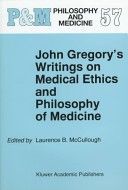
This volume reprints in a scholar’s edition the first English-language texts on bioethics, John Gregory’s (1724-1773) Observations on the Duties and Offices of a Physician and on the Method of Prosecuting Enquiries in Philosophy (London, 1770) and Lectures on the Duties and Qualifications of a Physician (London, 1772). Five previously unpublished manuscripts of Gregory’s lectures are also included. An introduction places Gregory’s medical ethics and philosophy of medicine in their eighteenth-century contexts of Scottish Enlightenment history and culture, Baconian science and philosophy of medicine, medical practice, the feminine and feminist philosophy of the Bluestocking Circle, and moral sense philosophy, particularly David Hume’s concept of sympathy, and provides a bibliography of primary and secondary sources as an aid to teaching and future scholarship. The book’s index provides access to Gregory’s texts, by using both historical terms and current terminology of bioethics. A volume in the subseries Classics of Medical Ethics.
Book Summary of Moral RealityWe typically assume that the standard for what is beautiful lies in the eye of the beholder. Yet this is not the case when we consider morality; what we deem morally good is not usually a matter of opinion. Such thoughts push us toward being realists about moral properties, but a cogent theory of moral realism has long been an elusive philosophical goal. Paul Bloomfield here offers a rigorous defense of moral realism, developing an ontology for morality that models the property of being morally good on the property of being physically healthy. The model is assembled systematically; it first presents the metaphysics of healthiness and goodness, then explains our epistemic access to properties such as these, adds a complementary analysis of the semantics and syntax of moral discourse, and finishes with a discussion of how we become motivated to act morally. Bloomfield closely attends to the traditional challenges facing moral realism, and the discussion nimbly ranges from modern medical theory to ancient theories of virtue, and from animal navigation to the nature of normativity. Maintaining a highly readable style throughout, Moral Reality yields one of the most compelling theories of moral realism to date and will appeal to philosophers working on issues in metaphysics or moral philosophy.
Urges readers to adopt deeper truths and more significant values, and challenges the allure of wealth and power, blind faith in science, and the desire for success, freedom, immortality, and personal happiness.
The language of human rights has become the public vocabulary of our contemporary world. Ironically, as the political influence of human rights has grown, their philosophical justification has become ever more controversial. Building on a theory of discourse ethics and communicative rationality, this book addresses the politics and philosophy of human rights against the background of the broader social transformations that are shaping the modern world. Rejecting the reduction of international human rights to the Trojan horse of a neo-liberal empire’s bid for world power, as well as the conservative objections to legal cosmopolitanism as encroachments upon democratic sovereignty, Benhabib develops two key concepts to move beyond these false antitheses. International human rights norms need contextualization in specific polities through processes of what she calls ‘democratic iterations.’ Furthermore, such norms have a ‘jurisgenerative power, ‘ in that they enable new actors to enter fields of social and political contestation; they promote new vocabularies for public claim-making and anticipate a justice to come. — Book Description.
ما از اخلاق چه انتظاری داریم؟ این سوال شاید تاحدودی برای عموم مردم و یا متخصصان این رشته قابل پاسخ باشد؛ اینکه خوب بودن را به ما بیاموزد و در تنظیم روابط فردی م...

جشن کتاب تهران به ایستگاه سی و یکم رسیده است. حال و احوال نشر کتاب خوب نیست و باید فرهنگدوستان را به خرید و هدیه دادن کتاب ترغیب نمود. خانه اخلاقپژوهان جوان ب...

بنیاد کتابهای اخلاق اسلامی عمدتا پالایش جان از آلودگیها و آراستن آن به زیباییها است. اندیشه محوری این قبیل کتابها آن است که انسان فعلی آنی نیست که باید باشد...

-
0 Comments